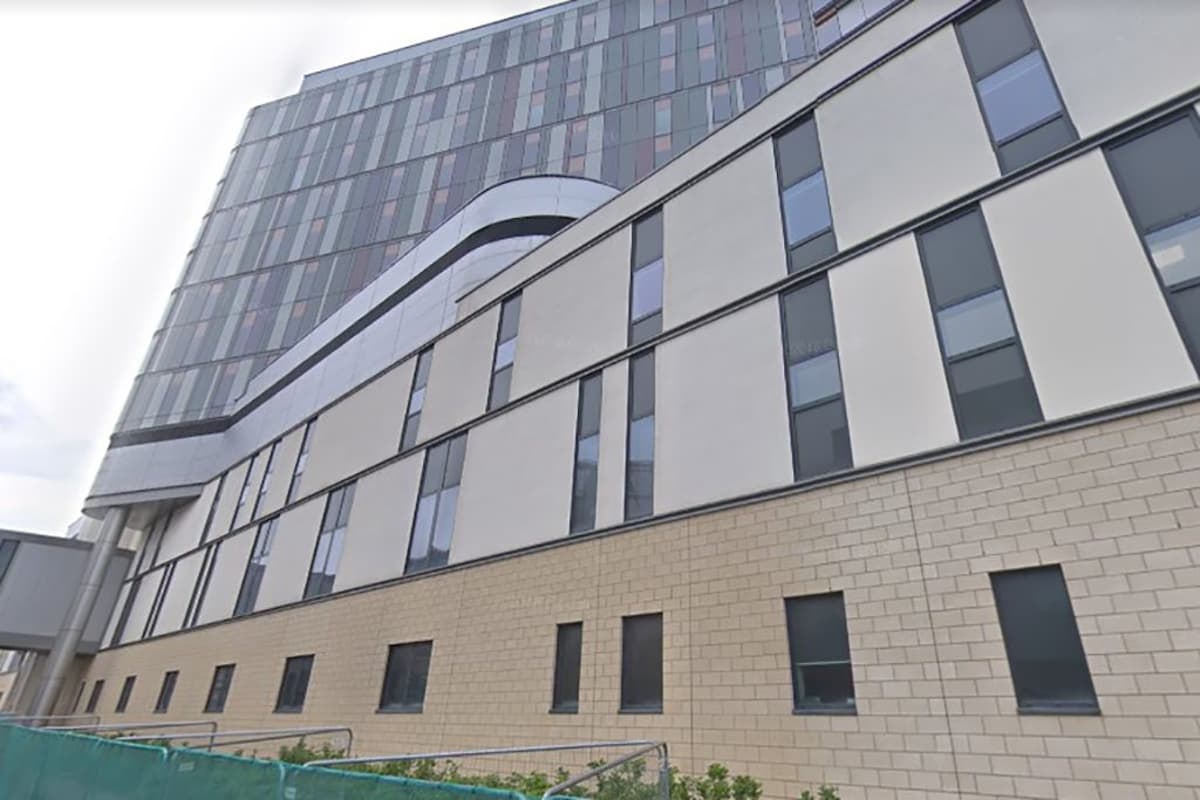
Glasgow Hospital Loses Multiplex Cladding Challenge Appeal
Why It Matters
The ruling caps GGHB’s ability to recover costs for a major fire‑safety defect, potentially increasing public‑sector exposure to remediation expenses and setting a precedent for timeliness in UK construction disputes.
Key Takeaways
- •Court bars £16.3 m (£20 m) cladding claim as time‑barred
- •Board could have identified defect via reasonable diligence in 2015
- •Multiplex’s manual was incomplete, breaching contract obligations
- •Separate £73 m (£91 m) claim proceeded, but cladding excluded
- •Ruling reinforces strict five‑year limitation for Scottish construction claims
Pulse Analysis
The Queen Elizabeth University Hospital, a flagship £842 million (≈$1.05 billion) project, has become a cautionary tale for large‑scale public construction in the wake of the Grenfell tragedy. The atrium’s non‑compliant cladding, installed by Multiplex, was only flagged years after completion when the contractor’s own records proved incomplete. This delay mirrors a broader industry pattern where post‑occupancy fire‑risk assessments uncover hidden defects, prompting costly retrofits and heightened regulatory scrutiny across the UK and Europe.
Legal experts note that Scotland’s five‑year limitation for construction defect claims is among the strictest in the UK, and the court’s refusal to accept the “exceptional circumstances” argument sends a clear signal to public bodies. By determining that the Greater Glasgow Health Board could have discovered the flaw through reasonable diligence in 2015, the judges reinforced the duty of owners to conduct thorough post‑completion reviews. The decision also highlights the importance of accurate handover documentation; Multiplex’s failure to provide a complete operations manual not only breached contract terms but also weakened any defense against liability.
For the construction sector, the case underscores the financial risk of delayed defect identification and the necessity of proactive risk‑management frameworks. Contractors and owners alike must invest in robust commissioning processes, independent third‑party inspections, and real‑time data capture to avoid similar time‑barred disputes. As the Scottish government’s inquiry into hospital infections proceeds, stakeholders will watch closely for any ripple effects on procurement policies, insurance premiums, and future litigation strategies in the built environment.
Glasgow hospital loses Multiplex cladding challenge appeal
Comments
Want to join the conversation?
Loading comments...