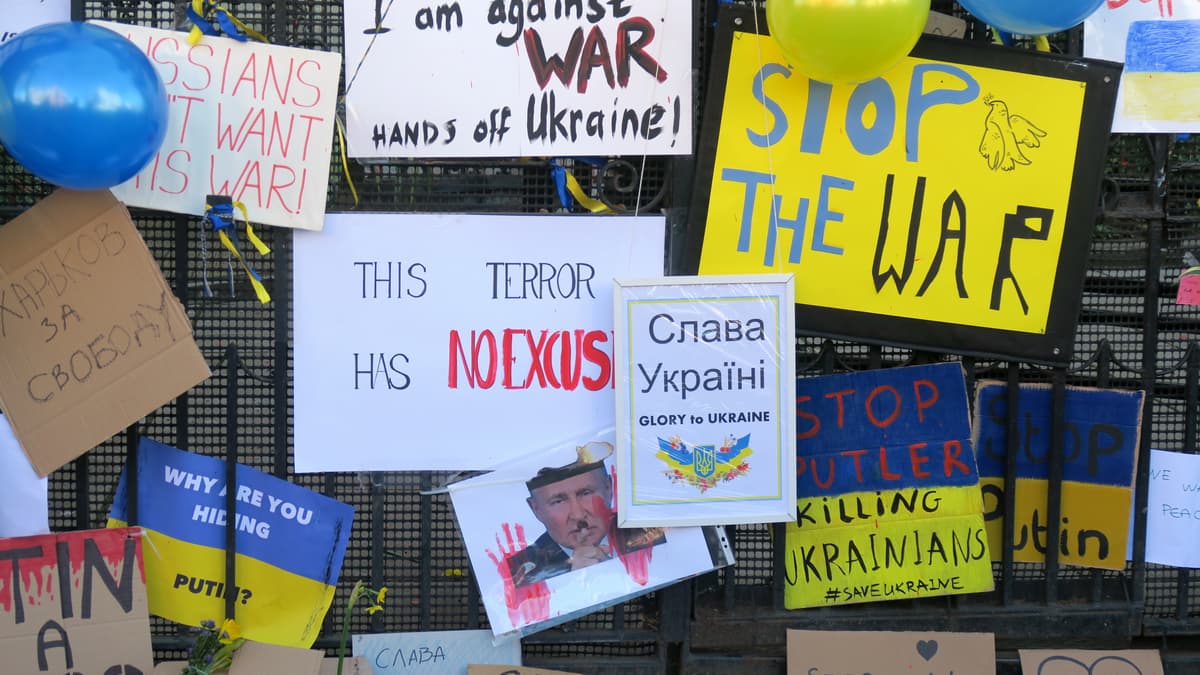
Global Commitment Crucial for Ukraine Justice, Amnesty International Says
•February 25, 2026
0
Why It Matters
Sustained accountability shapes geopolitical stability and protects civilian lives; declining support could embolden further aggression.
Key Takeaways
- •Amnesty warns justice commitments are weakening
- •US aid cuts reduce pressure on Russia
- •ICC arrest warrant for Putin remains unexecuted
- •Canada adds sanctions; EU extends refugee protection
- •Diminished global pressure could erode rules‑based order
Pulse Analysis
The four‑year mark of Russia’s full‑scale invasion has become a litmus test for the international community’s resolve, according to Amnesty International. While the initial response featured sweeping sanctions, military aid, and the International Criminal Court’s historic arrest warrant for President Vladimir Putin, momentum appears to be fading. Amnesty’s senior director Erika Guevara‑Rosas warns that the erosion of legal and financial pressure emboldens Moscow to flout the rules‑based order. The organization’s appeal underscores that accountability is not a one‑off gesture but a continuous diplomatic and judicial effort that must survive political cycles.
The United States, once the largest conduit of Ukrainian assistance, has dramatically scaled back its contributions. A 2025 pause in aid under former President Donald Trump, followed by a sharply reduced 2026 budget allocation, coincides with the deadliest year for Ukrainian civilians since the war began. Diminished funding hampers Kyiv’s ability to procure advanced weaponry and sustain humanitarian operations, potentially lengthening the conflict and increasing civilian casualties. Analysts argue that the funding dip also signals to other authoritarian regimes that punitive measures can be softened, weakening collective deterrence.
Despite the overall slowdown, allies such as Canada and the European Union remain active. Canada’s latest sanctions package targets additional Russian oligarchs and defense firms, aiming to raise the economic cost of the war and degrade Moscow’s military capacity. The EU’s decision to extend temporary protection for Ukrainian refugees through 2027 reflects a broader commitment to the humanitarian dimension of the crisis. Sustained multilateral pressure is crucial; without it, the precedent set by a partially held Russia could reverberate across other conflicts, undermining the credibility of international law and the ICC’s enforcement mechanisms.
Global commitment crucial for Ukraine justice, Amnesty International says
0
Comments
Want to join the conversation?
Loading comments...