Good Job DOJ, Now The Conspiracy Theorists Have A Point
Why It Matters
The DOJ’s aggressive push could set a precedent for using security incidents to influence unrelated litigation, while eroding public confidence in the impartiality of federal law enforcement.
Key Takeaways
- •DOJ demanded National Trust lawsuit dismissal within 24 hours.
- •Letter claims White House ballroom is essential for presidential security after shooting.
- •Critics say the move shows double standards on gun violence policy.
- •The push may influence Judge Leon’s pending injunction on the ballroom project.
- •Rapid DOJ action fuels conspiracy theories and questions about governmental opportunism.
Pulse Analysis
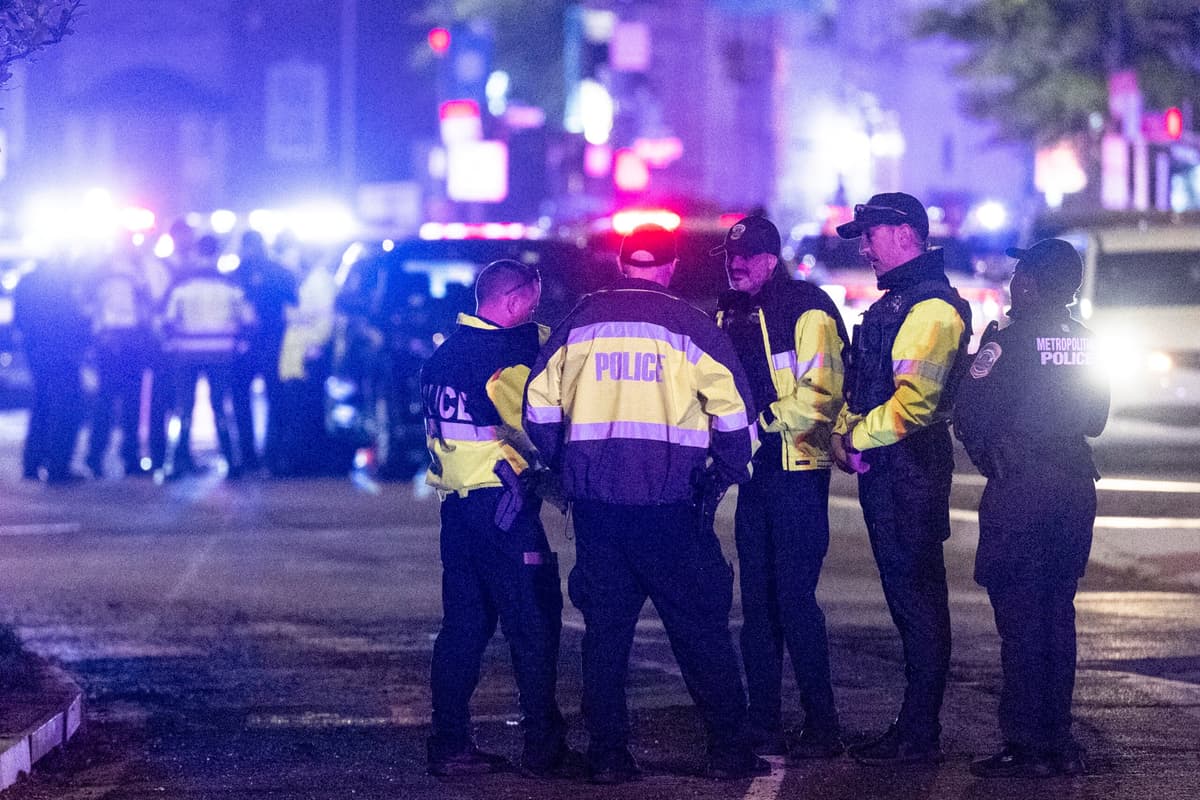
The shooting outside the Washington Hilton during the White House Correspondents’ Dinner sparked immediate law‑enforcement response, but the Department of Justice’s reaction extended far beyond the incident itself. Within hours, Acting Attorney General Todd Blanche posted a six‑word tweet and a formal letter urging the National Trust for Historic Preservation to voluntarily dismiss its lawsuit over the White House’s new ballroom. The DOJ framed the venue as a "critical security asset" in light of the attack, leveraging the tragedy to pressure a case that directly benefits President Trump’s construction agenda.
Legal analysts see the move as a stark example of political opportunism. By threatening to dissolve Judge Richard Leon’s injunction—issued to halt the ballroom project without congressional approval—the DOJ is effectively using a security narrative to sidestep established procedural safeguards. This tactic contrasts sharply with the administration’s typical response to gun‑related tragedies, which often defaults to “thoughts and prayers” rather than swift policy action. The inconsistency raises concerns about selective enforcement and could influence future courts’ willingness to grant the executive branch broad latitude in invoking national‑security claims.
Beyond the courtroom, the rapid DOJ intervention fuels conspiracy theories and undermines public trust. Critics argue that the timing—less than a day after the shooting—creates the appearance of a coordinated effort to silence dissent, feeding false‑flag narratives that thrive on perceived opportunism. As the case proceeds, the outcome will signal whether federal agencies can legitimately tie unrelated litigation to security concerns, or if the episode will serve as a cautionary tale about the dangers of politicizing law‑enforcement actions in a polarized environment.
Good Job DOJ, Now The Conspiracy Theorists Have A Point
Comments
Want to join the conversation?
Loading comments...