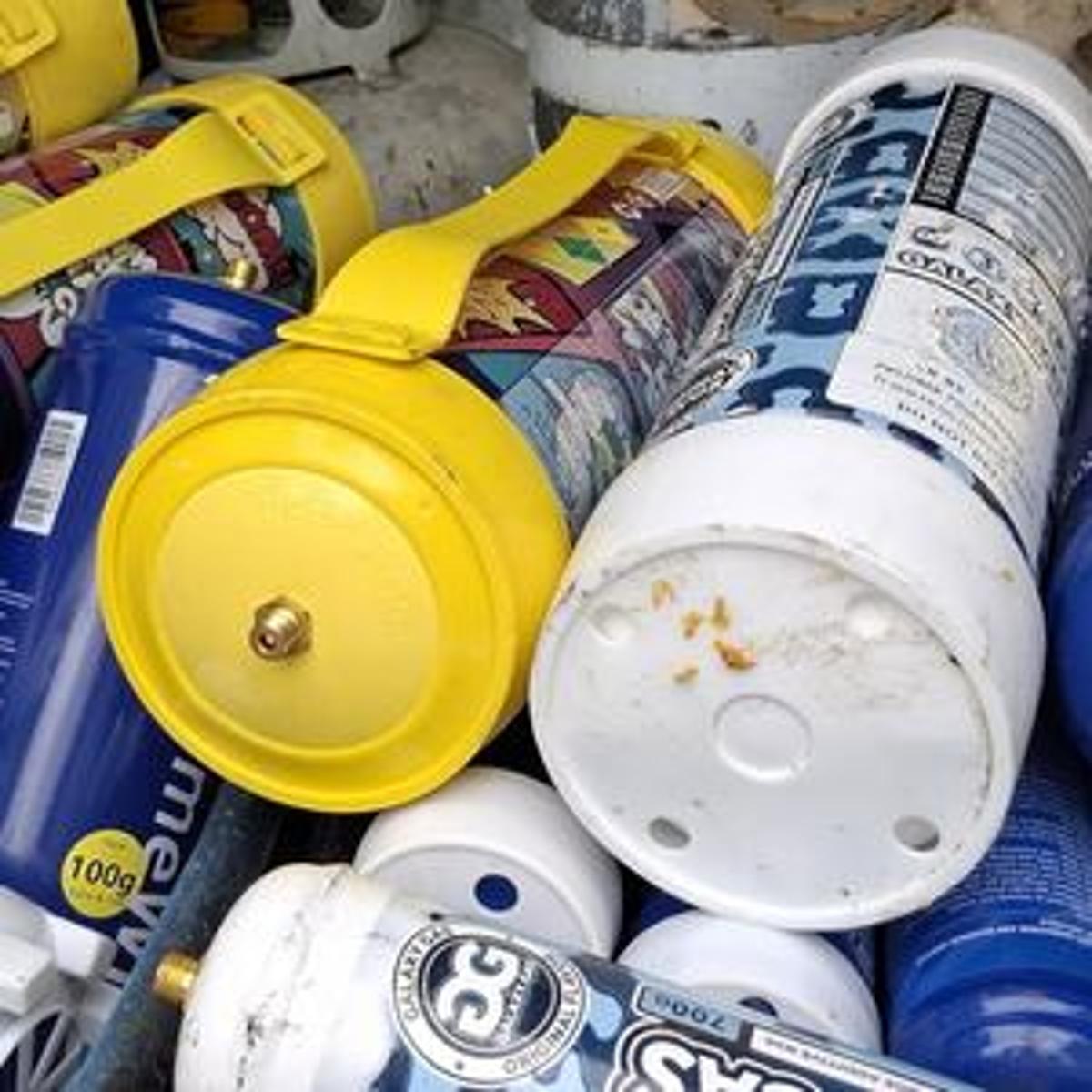
Government Cracks Down on Sales of Nangs; Dairy and Vape Store Large-Canister Sales Now Deemed Illegal
Why It Matters
The ban targets a growing public‑health threat and closes a loophole that allowed retailers to profit from illicit drug sales, signaling stricter enforcement across New Zealand’s retail sector.
Key Takeaways
- •Government bans sale of nitrous‑oxide canisters >10 g to dairies, vape shops
- •Large 3.3‑litre canisters deemed psycho‑active, no legitimate culinary use
- •Penalties: up to two years jail or $300k USD fine for supply
- •Health Minister cites rising nerve‑damage cases and fatal crashes linked to nangs
- •Importers now need Director‑General of Health approval under Customs Act
Pulse Analysis
Nitrous oxide, commonly known as laughing gas, has long been a staple in professional kitchens for whipping cream. In recent years, however, the rise of "nangs"—large canisters repurposed for recreational inhalation—has sparked a public‑health alarm in New Zealand. Health officials link the trend to nerve‑damage cases, emergency‑room visits, and even fatal traffic accidents, prompting a nationwide call for tighter controls. By reclassifying canisters over 10 grams as psycho‑active substances, regulators aim to cut off the supply chain that fuels this illicit market.
The latest enforcement action focuses on dairy outlets and vape shops, which have been primary distributors of the 2‑ to 3.3‑litre canisters marketed under catchy brands like "L.A. Sokka" and "Miami Magic." Under the new rules, any sale intended for recreational use is illegal, and retailers must obtain approval from the Director‑General of Health for imports. The penalties are steep—up to two years in prison or approximately $300,000 USD in fines—signaling a decisive shift from previous, more ambiguous guidelines. This crackdown not only removes a revenue stream for small businesses but also forces a rapid reassessment of inventory and compliance procedures.
Beyond immediate enforcement, the policy reflects a broader trend of governments treating inhalant abuse as a serious drug issue rather than a peripheral nuisance. By tightening import controls and clarifying legal definitions, New Zealand sets a precedent that could influence other jurisdictions grappling with similar abuse patterns. For the retail sector, the decision may accelerate a pivot toward alternative, low‑risk products, while public‑health advocates anticipate a measurable decline in nitrous‑oxide‑related injuries. Continued monitoring will reveal whether the legislative push effectively curtails the "nang" epidemic or merely drives it underground.
Government cracks down on sales of nangs; dairy and vape store large-canister sales now deemed illegal
Comments
Want to join the conversation?
Loading comments...