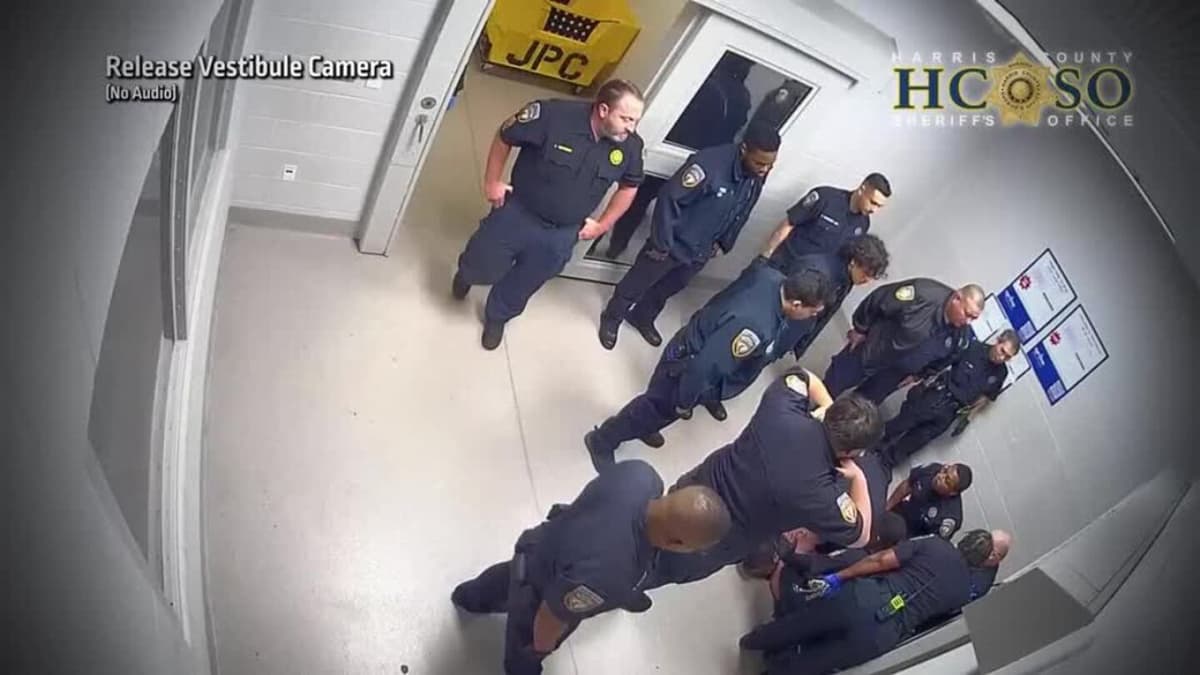
Grand Jury Declines Charges for 6 Officers in 2025 Texas Jail Inmate Death
Why It Matters
The decision highlights ongoing challenges in holding law‑enforcement personnel accountable for in‑custody deaths, influencing public trust and policy reforms around use‑of‑force and jail oversight.
Key Takeaways
- •Grand jury returned no bill for six Harris County officers.
- •Inmate died from cardiac dysrhythmia linked to meth and cocaine.
- •Video shows officers dragging, kicking, and unsuccessfully using a taser.
- •Five officers reassigned to non‑inmate duties while investigation continues.
- •Family's lawsuit claims release without phone or transport was unsafe.
Pulse Analysis
The Harris County incident underscores how quickly a routine release can spiral into a fatal confrontation. After being let out on traffic warrants, Alexis Cardenas was escorted back into the jail when he refused to leave, sparking a 12‑minute struggle captured on surveillance. Officers attempted to restrain him, including a failed taser deployment, and ultimately used force that culminated in Cardenas becoming motionless. The medical examiner’s finding of cardiac dysrhythmia tied to methamphetamine and cocaine use framed the death as a homicide, yet the grand jury issued a "no bill," leaving the officers without criminal charges.
This outcome fuels the broader debate over accountability mechanisms for correctional staff. Grand juries, often composed of community members, can be swayed by arguments emphasizing drug influence over officer conduct, as seen in the county attorneys' filings. Critics argue that such decisions erode public confidence, especially when video evidence suggests excessive force, including kicking and dragging. The case also raises questions about the adequacy of internal investigations and the transparency of disciplinary actions, with five officers now placed on assignments that limit inmate contact pending further review.
Beyond the immediate legal ramifications, the incident may prompt policy shifts in Texas jails and beyond. Law‑enforcement agencies are increasingly scrutinized for handling detainees with substance‑use disorders, prompting calls for specialized training and de‑escalation protocols. The family's federal lawsuit, alleging unsafe release conditions—no phone, no transport—adds a civil dimension that could pressure sheriffs to revise release procedures. As jurisdictions grapple with balancing security and humane treatment, the Harris County case serves as a cautionary example of how procedural gaps and force decisions can converge into tragic outcomes, influencing future reforms in correctional oversight.
Grand jury declines charges for 6 officers in 2025 Texas jail inmate death
Comments
Want to join the conversation?
Loading comments...