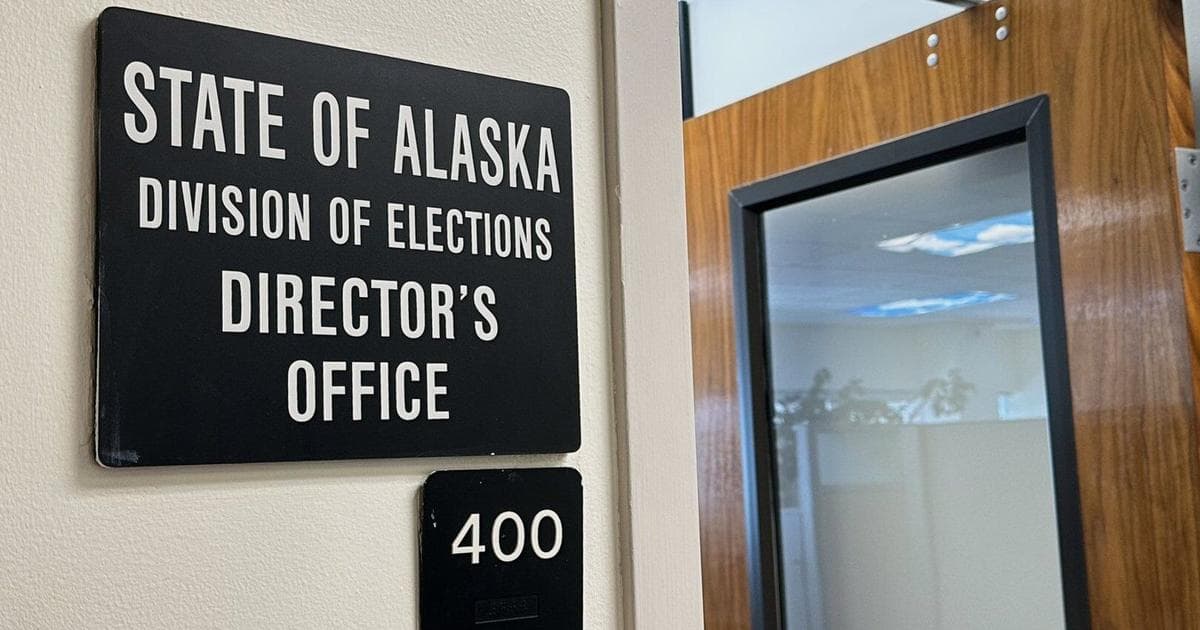
Groups Sue Alaska Election Officials, Allege the Sharing of Voter Data with DOJ Was Unconstitutional
Why It Matters
If successful, the suit could curb federal access to detailed voter registries, reinforcing state privacy protections and setting precedent for other states battling similar DOJ requests.
Key Takeaways
- •Alaska and Texas signed MoUs to share voter data with DOJ
- •Lawsuit alleges data sharing breaches Alaska Constitution privacy and due process
- •DOJ requests unredacted voter files to flag non‑citizens for DHS
- •Federal courts have rejected similar DOJ voter‑data demands in multiple states
- •Plaintiffs seek to void agreement and require destruction of shared records
Pulse Analysis
The Justice Department’s push for unredacted voter registration files has sparked a constitutional showdown in Alaska, echoing similar battles in California, Massachusetts, Michigan, Oregon and Rhode Island. By obtaining detailed personal identifiers—birth dates, driver’s‑license numbers and partial Social Security numbers—the federal government aims to cross‑reference state rolls with immigration databases, a practice critics say threatens privacy and could be weaponized against non‑citizen voters. Alaska’s agreement with the DOJ, mirrored by Texas, reflects a broader federal narrative that frames data sharing as essential to election integrity, even as civil‑rights groups warn of overreach.
The lawsuit, brought by the League of Women Voters of Alaska, the Alaska Black Caucus, the ACLU of Alaska and the Electronic Privacy Information Center, hinges on two constitutional arguments. First, the plaintiffs contend that the state’s disclosure of personal voter data violates Alaska’s explicit privacy clause, which shields residents from unwarranted governmental intrusion. Second, they argue the memorandum bypasses due‑process safeguards by allowing the DOJ to flag and potentially purge voters without notice or a chance to contest the decision. State officials counter that existing statutes expressly permit sharing information for authorized governmental purposes, positioning the data exchange as a "compelling interest" in maintaining accurate voter rolls.
Beyond Alaska, the case underscores a growing tension between federal election‑security initiatives and state sovereignty. A ruling that invalidates the agreement could force the DOJ to renegotiate its data‑collection strategy, potentially limiting its ability to coordinate with agencies like Homeland Security. For states, the outcome may serve as a litmus test for the balance between safeguarding election integrity and protecting individual privacy, influencing future legislative and judicial approaches to voter‑data governance nationwide.
Groups sue Alaska election officials, allege the sharing of voter data with DOJ was unconstitutional
Comments
Want to join the conversation?
Loading comments...