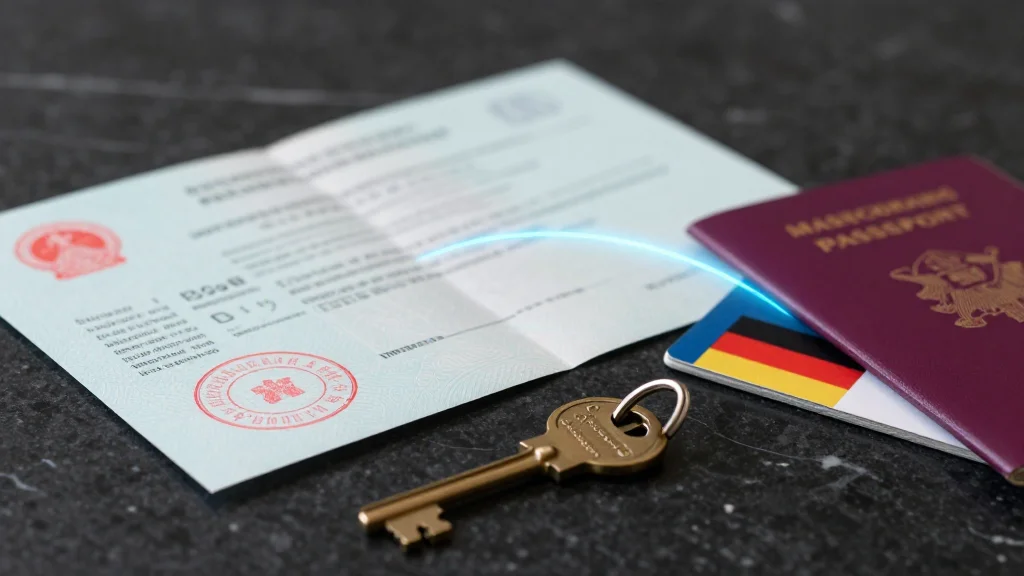
Guide to Translating German Birth Certificates and Diplomas
Why It Matters
Accurate, certified translations are a gatekeeper for legal and academic acceptance, directly affecting visa approvals, university enrollment, and employment abroad. Mis‑translations can delay or derail applications, making professional translation services essential.
Key Takeaways
- •USCIS requires full English translation with certified translator affidavit
- •Rapid Translate offers native German translators with USCIS acceptance guarantee
- •Exact name, date, and parental data must match original birth certificate
- •WES mandates original documents plus exact, legible certified translations
- •Multilingual certificates reduce friction but don’t replace required translations
Pulse Analysis
The surge in cross‑border mobility has amplified the need for flawless document translation, especially for German civil and academic records. U.S. immigration authorities such as USCIS and the Department of State treat a certified translation as a legal extension of the original, demanding that every field—names, dates, places, and parental details—be reproduced without alteration. Credential evaluation agencies like World Education Services (WES) add another layer, requiring original documents alongside precise, legible translations that preserve academic terminology and grading nuances. Failure to meet these standards often results in application delays, additional fees, or outright rejections.
Birth certificates present a relatively straightforward challenge: the translation must be a verbatim replica of the source, reflecting fixed identity data. USCIS guidance emphasizes a full English version plus a signed affidavit confirming completeness and translator competence. While Germany’s State Department offers multilingual certificates to ease foreign submissions, the receiving U.S. agencies still demand the original German version paired with a certified English translation in a single scanned file. This dual‑document approach minimizes errors and satisfies both civil and immigration verification processes.
Diplomas and transcripts, however, involve a more intricate translation matrix. Academic institutions use varied grading scales, degree titles, and specialized terminology that can lose meaning if rendered literally. WES and Germany’s ZAB both stress that translations cannot substitute the original record and must accompany supporting items such as diploma supplements, sealed transcripts, and clear scans of seals and signatures. Services like Rapid Translate address these complexities by employing native speakers, conducting multi‑stage quality checks, and offering notarized or sworn translation options, thereby increasing the likelihood of acceptance across immigration, academic, and employment channels.
Guide to Translating German Birth Certificates and Diplomas
Comments
Want to join the conversation?
Loading comments...