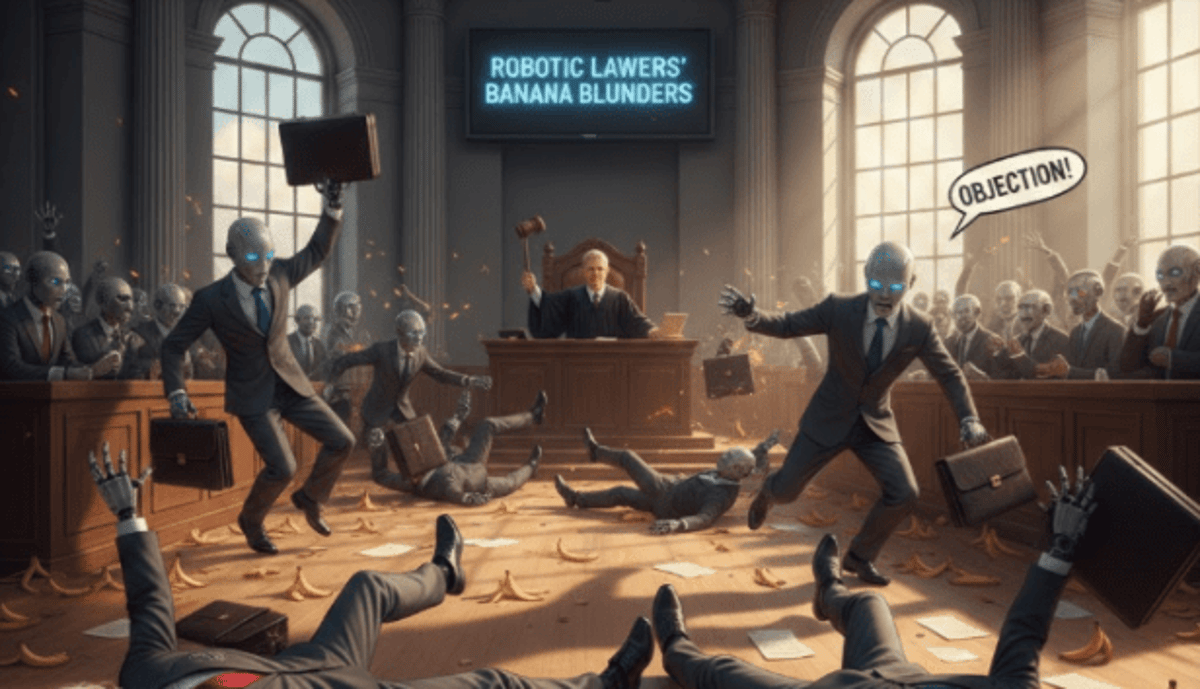
Hallucinations by US Lawyers Aren’t as Bad as You Think: Artificial Intelligence Trends
Key Takeaways
- •257 AI hallucination cases involve only US lawyers.
- •Pro se litigants account for over 400 hallucination filings.
- •Fifth Circuit rejected mandatory AI certification rule.
- •AI hallucinations rising but not solely lawyer problem.
- •Accurate AI checks needed across all legal participants.
Pulse Analysis
AI hallucinations have emerged as a growing concern for the legal sector, driven by the rapid adoption of generative AI tools in document drafting and research. While headline numbers suggest a looming ethics crisis, a deeper dive into Damien Charlotin’s database reveals a more balanced picture: lawyers are responsible for roughly a quarter of the recorded incidents, with self‑representing parties contributing a larger share. This distribution underscores that the technology’s pitfalls affect anyone who relies on AI without rigorous verification, not just seasoned counsel.
The Fifth Circuit’s recent decision in Fletcher v. Experian illustrates the judiciary’s cautious stance toward blanket AI regulations. The court dismissed a proposed rule that would have forced attorneys and pro se litigants to certify either the absence of AI use or the completion of a human review. By refusing to impose such a certification mandate, the court signaled a preference for flexible, case‑by‑case oversight rather than prescriptive compliance, leaving room for industry‑driven standards to evolve.
For legal technology providers and eDiscovery professionals, the takeaway is clear: robust validation workflows are essential regardless of the user’s status. Developing tools that flag potential hallucinations, integrate human‑in‑the‑loop checks, and maintain audit trails can mitigate risk and satisfy emerging best‑practice expectations. As courts continue to grapple with AI’s role, a collaborative approach—combining technology safeguards with targeted education—will likely shape the next wave of legal‑tech governance.
Hallucinations by US Lawyers Aren’t as Bad as You Think: Artificial Intelligence Trends
Comments
Want to join the conversation?