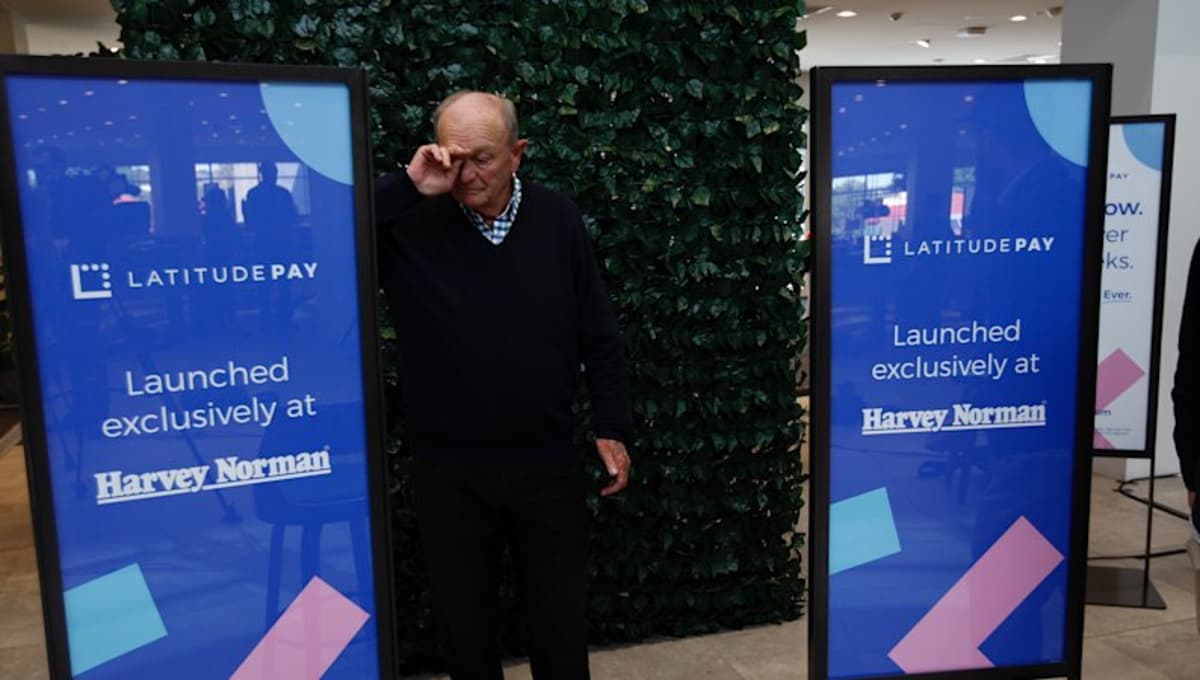
Harvey Norman Facing Class Action for ‘Misleading’ Ads
Why It Matters
The action highlights the financial risk of deceptive retail financing offers and signals stricter enforcement of advertising truthfulness in the Australian consumer market.
Key Takeaways
- •Class action targets Harvey Norman's misleading interest‑free ads
- •Consumers faced hidden credit‑card fees, raising costs 25%
- •ASIC seeks up to $33 million USD in penalties
- •Appeals dismissed, reinforcing court’s stance on disclosure
- •Separate warranty‑related class action also pending
Pulse Analysis
Harvey Norman’s latest legal challenge stems from a series of advertisements that promised "no‑deposit" and "interest‑free" financing between January 2020 and August 2021. The Australian Securities and Investments Commission (ASIC) previously secured a Federal Court judgment that the retailer and its partner Latitude Finance misled shoppers by requiring a Latitude GO Mastercard—complete with monthly service fees and, until March 2021, establishment charges. After an appeal was rejected in September 2025, ASIC is now pursuing a $50 million Australian‑dollar fine, roughly $33 million USD, while the class action seeks damages for affected consumers.
For shoppers, the undisclosed costs translated into a substantial price hike. A typical $2,000 AUD (about $1,320 USD) purchase could swell to over $2,500 AUD ($1,650 USD) once fees accumulated, a discrepancy not reflected in the bold campaign copy. The class action, led by Carter Capner Law, aims to recover these excess charges and provide refunds for goods bought under the false premise. By exposing the hidden financial arrangement, the lawsuit underscores the importance of transparent credit terms for consumers navigating retail financing.
The broader retail sector is watching closely. The case reinforces ASIC’s commitment to policing deceptive marketing and may prompt retailers to overhaul promotional language to avoid similar liabilities. Potential penalties, combined with the reputational damage of a class action, could drive stricter compliance frameworks and influence how credit products are bundled with sales offers. As the June hearing approaches, the outcome may set a precedent that reshapes advertising standards and consumer credit practices across Australia and beyond.
Harvey Norman facing class action for ‘misleading’ ads
Comments
Want to join the conversation?
Loading comments...