Why It Matters
The abrupt dismantling of DoD labor contracts threatens workforce stability, invites legal challenges, and signals a broader shift in federal labor policy under national‑security pretexts.
Key Takeaways
- •Hegseth orders termination of most DoD collective bargaining agreements within 24 hours
- •Exemptions limited to Federal Wage System workers at four specific installations
- •Police, security guards, firefighters and unions with injunctions are also spared
- •AFGE president labels the move “cowardly” and politically motivated
- •Legal challenges likely as unions argue national security claim is unfounded
Pulse Analysis
The Department of Defense’s latest labor maneuver traces its roots to Executive Order 14251, signed by former President Trump to curb federal union activity deemed a risk to national security. Hegseth’s April 9 memo accelerates that agenda by demanding the rapid cancellation of most collective bargaining agreements, a step that underscores the administration’s willingness to leverage security rhetoric to reshape workforce governance. By targeting contracts across the civilian defense workforce, the memo seeks to streamline command structures, but it also raises questions about the breadth of the security justification.
The memo’s limited exemptions reveal a strategic calculus: Federal Wage System employees at four key installations—Letterkenny Munition Center, Air Force Test Center, Air Force Sustainment Center, and Fleet Readiness Center Southeast—remain covered, as do agency police, security guards, firefighters, and unions that have secured court‑ordered injunctions. This selective approach has ignited fierce pushback from the American Federation of Government Employees, which frames the move as an attempt to silence dissent rather than protect classified operations. Legal experts anticipate a wave of challenges, arguing that the sweeping termination exceeds the narrow intent of the 1978 Civil Service Reform Act provision invoked by the executive order.
Beyond the immediate labor dispute, the decision could reshape federal labor relations for years to come. If courts uphold the terminations, other agencies may follow suit, potentially eroding collective bargaining rights across the federal government. Conversely, successful injunctions could reaffirm judicial limits on executive overreach. For defense contractors and civilian employees, the uncertainty may affect recruitment, retention, and morale, with downstream effects on readiness and procurement cycles. Stakeholders are watching closely as the balance between national‑security imperatives and worker protections hangs in the balance.
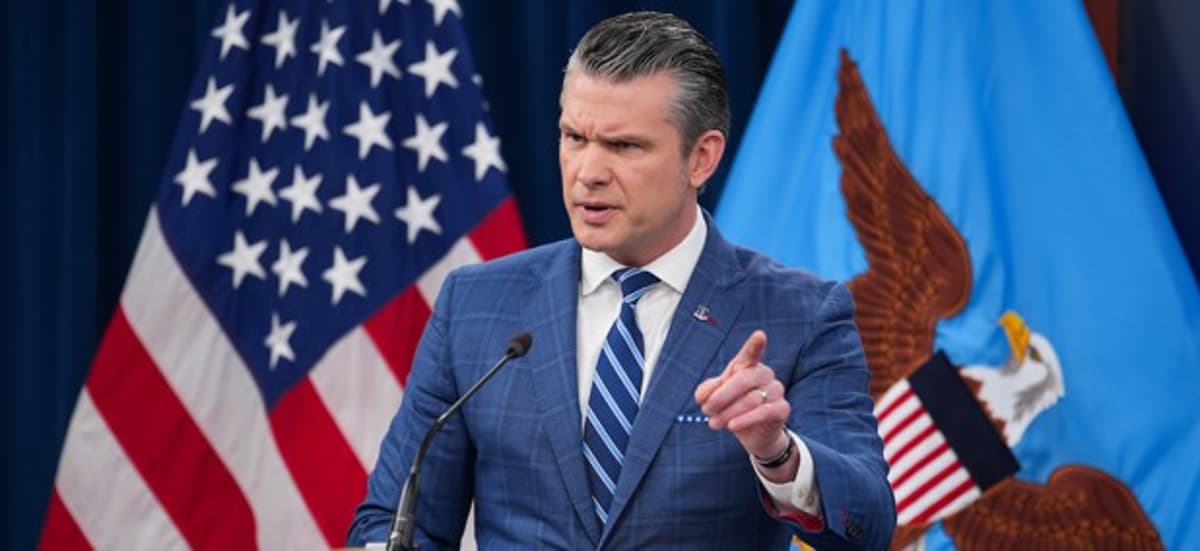
Hegseth orders termination of union contracts
Comments
Want to join the conversation?
Loading comments...