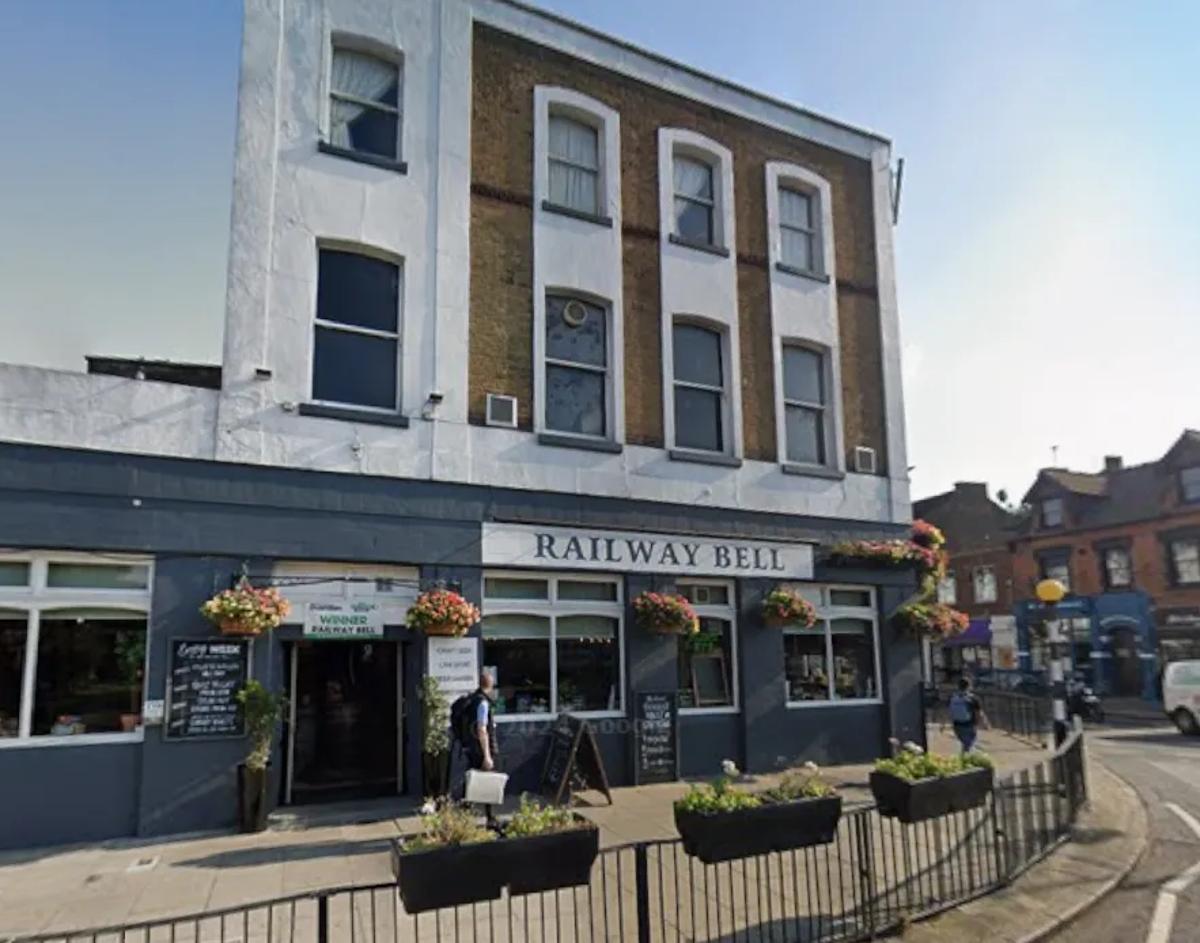
High Court Nixes Bid to Remove East London Pub’s Spirit for Resi Scheme
Why It Matters
The decision sets a higher evidentiary threshold for landlords seeking to terminate commercial leases for redevelopment, signaling tighter judicial scrutiny of funding and planning viability. It warns developers that speculative schemes without solid backing are unlikely to succeed in court.
Key Takeaways
- •High Court upheld Spirit's tenancy, blocking residential conversion
- •Pridewell failed to prove funding or planning permission
- •Judgment raises evidentiary bar for LTA redevelopment claims
- •Landlords must show realistic timeline and financial capability
- •Future pub conversions likely face stricter court scrutiny
Pulse Analysis
London’s pub landscape has long been a battleground between heritage preservation and lucrative residential conversion. The Railway Bell case illustrates how courts apply the Landlord and Tenant Act (LTA) to assess whether a landlord’s redevelopment proposal is genuine or a pretext for lease termination. By demanding proof of both financing and a realistic planning pathway, the High Court reinforced that speculative ambitions without concrete backing cannot override an existing tenancy. This approach aligns with broader judicial trends emphasizing tenant security and transparent development processes.
For commercial landlords, the ruling is a cautionary tale. It clarifies that merely outlining a redevelopment vision is insufficient; parties must demonstrate a "reasonable prospect" of obtaining planning consent and securing the capital needed to execute the works promptly after tenancy ends. The decision also highlights the importance of timing: a projected 10‑to‑14‑month window was deemed inadequate without demonstrable progress. Consequently, developers are likely to invest more heavily in pre‑approval studies, financing commitments, and detailed project schedules before initiating lease termination proceedings.
The broader impact on the UK pub sector could be significant. As urban housing demand rises, many owners view pubs as prime conversion targets. However, this judgment may slow the pace of such transformations, encouraging owners to explore alternative strategies like joint‑venture refurbishments or adaptive reuse that retain the public house function. Investors and legal advisers will need to reassess risk models, ensuring that any redevelopment plan meets the heightened evidentiary standards set by the court, thereby safeguarding both tenant rights and sustainable urban development.
High Court nixes bid to remove east London pub’s Spirit for resi scheme
Comments
Want to join the conversation?
Loading comments...