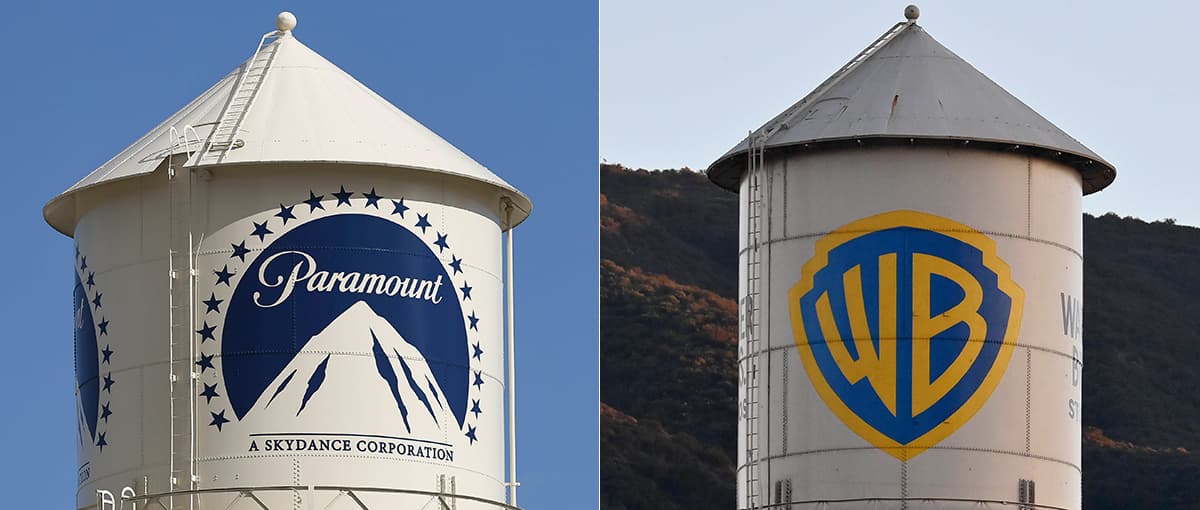
Hollywood Begehrt Gegen Den Paramount-Warner-Deal Auf
Companies Mentioned
Why It Matters
Further consolidation of two of the world’s largest studios could reshape competition, employment and cultural output in the U.S. media sector, making regulatory decisions pivotal for the industry’s future.
Key Takeaways
- •~1,500 industry professionals signed open letter opposing Paramount‑Warner merger
- •Deal still pending antitrust approvals; California AG Rob Bonta leading review
- •Critics warn consolidation could cut jobs and limit creative diversity
- •Paramount pledges at least 30 annual theatrical releases post‑merger
- •$110 billion debt load raises doubts about merger synergies
Pulse Analysis
The Paramount‑Warner Bros. Discovery deal emerged from a high‑stakes bidding war that saw Paramount Skydance outmaneuver Netflix, which had earlier negotiated a purchase of Warner’s studio and streaming assets. With a price tag exceeding $110 billion, the transaction would combine two legacy studios and their extensive content libraries, creating a media behemoth poised to dominate distribution, production and licensing. While the merger promises operational synergies and a stronger capital base for original storytelling, the sheer scale of the deal has raised eyebrows among investors and competitors alike.
Industry backlash crystallized in an open letter that gathered about 1,500 signatures from creators, producers and technical talent across Hollywood. Signatories warn that further concentration could erode competition, reduce job opportunities, and limit the diversity of narratives reaching audiences. The letter specifically calls on state regulators, especially California Attorney General Rob Bonta, to intervene, noting that federal approval appears uncertain given the merger’s potential antitrust implications. This grassroots mobilization reflects a broader concern that a handful of conglomerates now control a disproportionate share of the cultural output that defines American soft power.
Regulators face a complex calculus: balancing the purported efficiencies of a merged entity against the risk of a monopolistic market that could stifle innovation and inflate subscription costs. Paramount’s commitment to produce at least 30 high‑quality theatrical releases per year aims to assuage fears, yet the $110 billion debt burden casts doubt on the financial viability of such promises. Should state attorneys general block the deal, the industry may see a resurgence of alternative partnerships or a renewed focus on independent studios, preserving a more pluralistic media ecosystem for creators and audiences alike.
Hollywood begehrt gegen den Paramount-Warner-Deal auf
Comments
Want to join the conversation?
Loading comments...