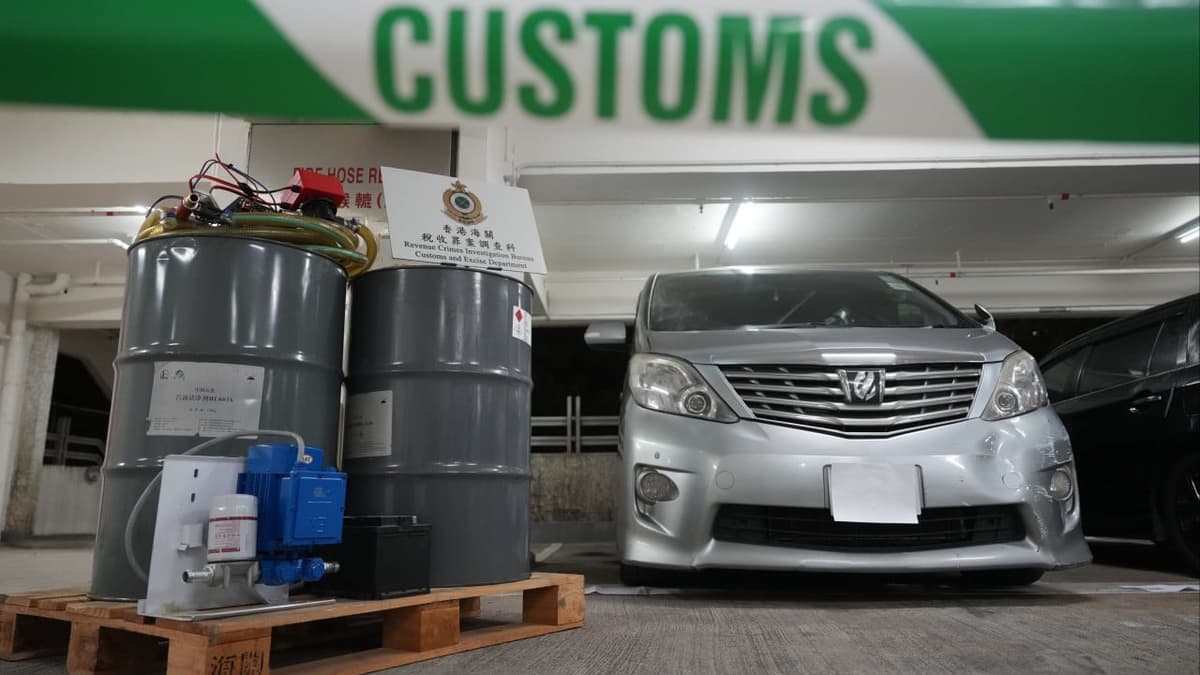
Hong Kong Aiming to Curb Illicit Fuel Trade with Tougher Penalties: Source
Why It Matters
Stronger penalties aim to deter a growing black‑market fuel sector that threatens safety and undermines tax revenues, signaling tighter enforcement across Hong Kong’s energy supply chain.
Key Takeaways
- •Buyers could face HK$1 million fine, one‑year prison
- •Sellers’ max fine rises to HK$3 million, three‑year jail
- •Fire Services to gain arrest and seizure powers
- •Illegal diesel purchases currently not criminalized
- •Lawmakers view crackdown as public‑safety priority
Pulse Analysis
Rising global oil prices have spurred a surge in illicit fuel operations across Asia, and Hong Kong is feeling the pressure. Unregulated refuelling stations and mobile diesel rigs not only evade taxes but also pose fire hazards in densely populated districts. By revising the Fire Services (Fire Hazard Abatement) Regulation, the city seeks to close a legal loophole that previously left buyers of untaxed diesel unpunished, aligning penalties with the scale of the problem and the potential safety fallout.
The proposed amendments dramatically increase the financial and custodial stakes for participants. Buyers could now be fined up to HK$1 million (about US$127,700) and face a year behind bars, while sellers risk a HK$3 million (roughly US$383,000) fine and up to three years’ imprisonment. In addition, Fire Services officers would obtain explicit powers to arrest suspects on the spot and seize vehicles or equipment used in illegal refuelling, a capability that was previously limited to stop‑and‑search actions. These enforcement tools are designed to create a tangible deterrent and streamline raids that have intensified in recent months.
Beyond immediate safety concerns, the crackdown carries broader economic implications. Strengthening penalties helps protect government revenue by curbing untaxed fuel sales, while signaling to legitimate market players that non‑compliance will be met with swift action. Regional traders may reassess supply chains to avoid Hong Kong’s tightened regime, potentially shifting illicit activity to neighboring jurisdictions. For investors and businesses operating in the energy sector, the move underscores the importance of robust compliance frameworks and highlights Hong Kong’s willingness to leverage regulatory pressure to safeguard both public safety and fiscal integrity.
Hong Kong aiming to curb illicit fuel trade with tougher penalties: source
Comments
Want to join the conversation?
Loading comments...