Hong Kong Proposes Mandatory Renovation Briefings to Combat Bid-Rigging
Why It Matters
The changes aim to close information gaps that enable bid‑rigging, strengthening transparency and protecting residents in a market where renovation contracts often lack oversight. By forcing informed participation, the amendment could reduce costly disputes and improve safety standards across Hong Kong’s high‑rise estates.
Key Takeaways
- •Mandatory renovation briefings required before owners vote on procurement
- •Proxy holdings limited to one owner or 2% of owners, max 20
- •Owners’ endorsements must be disclosed 48 hours before meetings
- •Quorum and voting thresholds rise with project cost; agenda changes banned
- •Government can intervene if management committee fails to function
Pulse Analysis
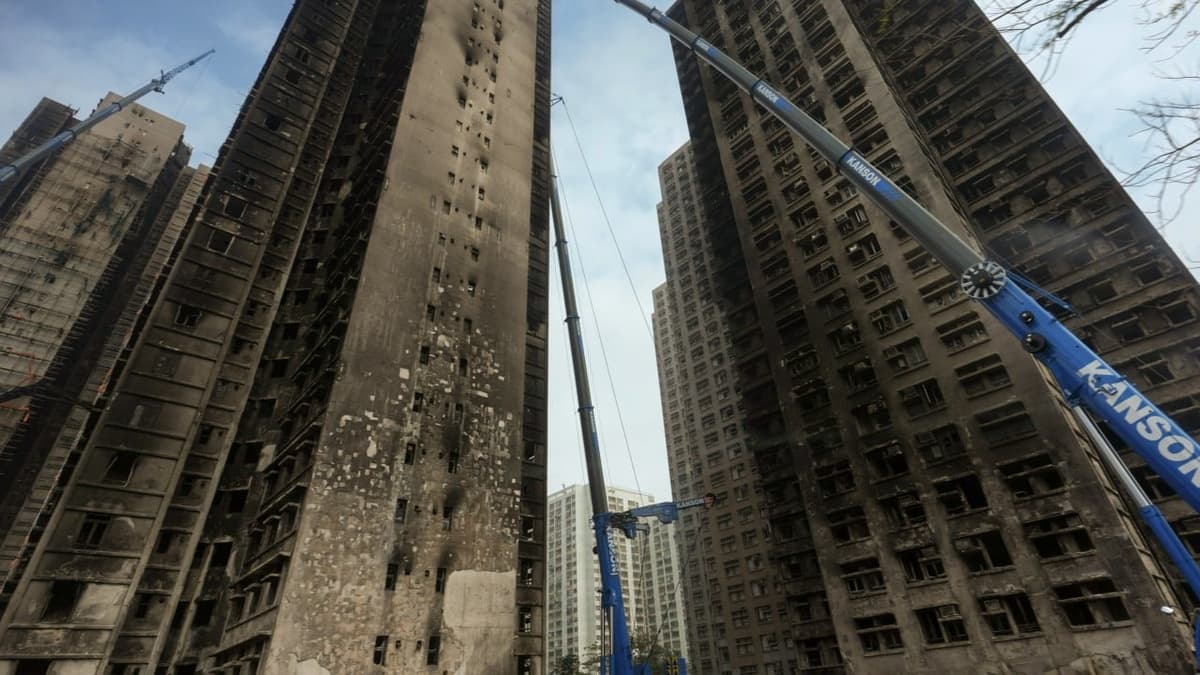
The November blaze at Tai Po’s Wang Fuk Court, which claimed 168 lives, exposed a systemic weakness in Hong Kong’s building‑management framework: owners often make procurement decisions without full visibility into contractor bids. That information asymmetry creates fertile ground for collusion and bid‑rigging, especially in large‑scale renovations where contracts can run into tens of millions of dollars. By instituting a mandatory briefing, the government seeks to level the playing field, giving owners a structured forum to question cost estimates, safety measures, and contractor qualifications before any vote is taken.
The amendment’s proxy‑cap provisions directly target a common loophole used to sway votes. Limiting representation to a single owner in blocks of up to 50 flats, and to 2 percent of owners—or 20, whichever is lower—in larger complexes, dramatically reduces the ability of a single party to amass voting power through proxies. Coupled with a 48‑hour disclosure rule for endorsements, these measures increase transparency and make it harder to forge or sell proxy votes. The tiered quorum and voting thresholds, calibrated to project cost, ensure that higher‑value contracts demand broader consensus, while the ban on mid‑meeting agenda changes prevents last‑minute manipulation by committee chairs.
Beyond immediate fire‑safety concerns, the reforms signal a shift toward tighter regulatory oversight of Hong Kong’s property sector, which accounts for a sizable share of the city’s GDP. Investors and developers will need to adapt to more rigorous disclosure standards and potentially longer decision cycles, but the payoff could be a more stable market with fewer legal disputes. If the public consultation yields strong support, the amendment may become a benchmark for other jurisdictions grappling with similar bid‑rigging challenges in high‑density residential environments.
Hong Kong proposes mandatory renovation briefings to combat bid-rigging
Comments
Want to join the conversation?
Loading comments...