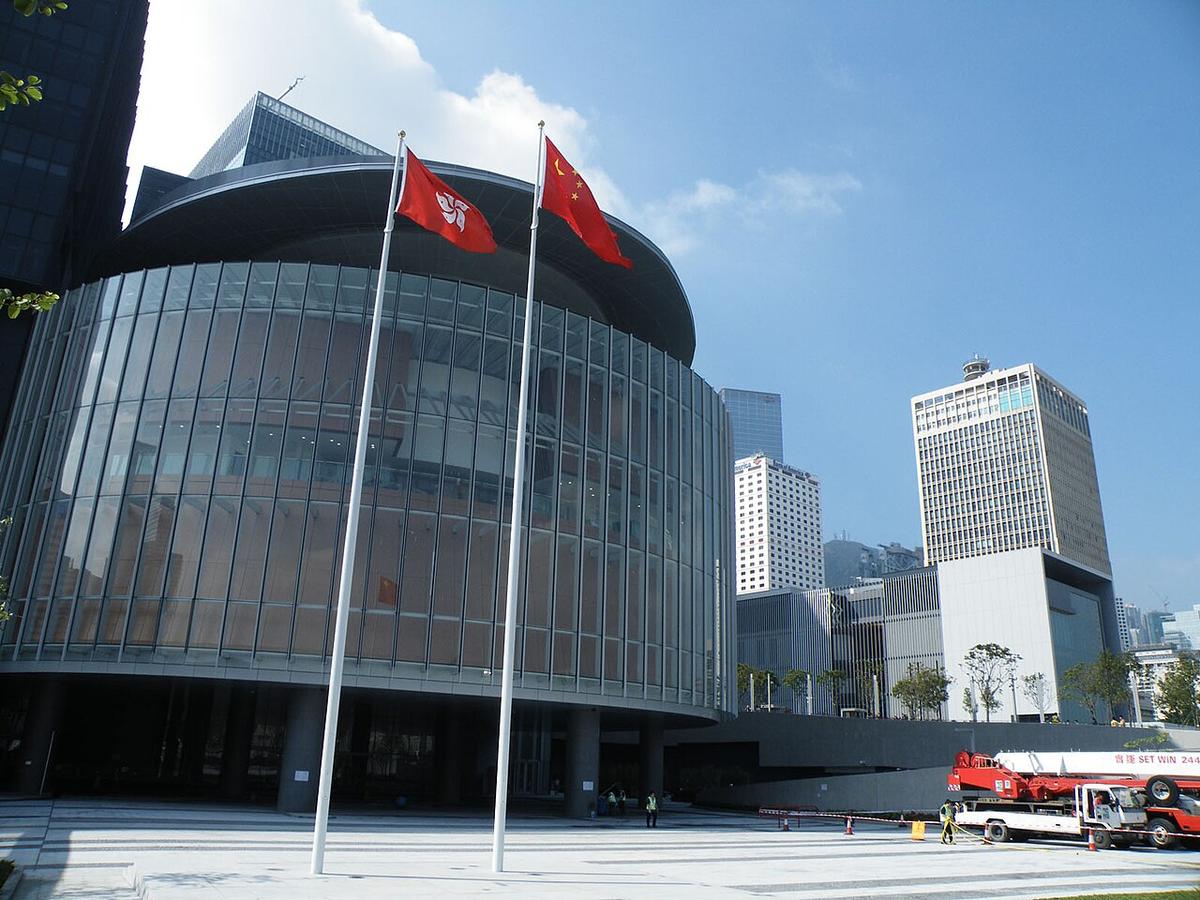
Hong Kong Proposes New Law Empowering Chief Executive to Certify Criminal Acts as National Security Offenses
Why It Matters
The proposal further consolidates executive control over Hong Kong’s legal system, heightening risks for businesses and civil society operating under an increasingly opaque security regime. It signals Beijing’s intent to tighten governance, potentially affecting foreign investment and the city’s reputation as a rule‑of‑law hub.
Key Takeaways
- •Chief Executive can certify any criminal case as national security offense
- •Proposed subsidiary legislation bypasses debate, expands executive discretion under Article 23
- •Law to take effect immediately via negative vetting, no new penalties added
- •Critics warn broader scope threatens fair trial rights and judicial independence
- •Hong Kong’s security framework already allows closed hearings and judge selection
Pulse Analysis
The Hong Kong government is moving to codify a sweeping amendment to its national‑security framework, allowing the chief executive to label any criminal proceeding as a security case. Introduced under Article 23 of the Basic Law, the subsidiary legislation would be passed via a negative‑vetting procedure, meaning it becomes law the moment it is published in the Gazette. While the proposal claims to strengthen enforcement and close legal loopholes, it does not create new offences or penalties, instead broadening the executive’s certification authority already embedded in the 2020 National Security Law and the Safeguarding National Security Ordinance.
Legal experts warn that this expansion erodes the already fragile balance between security and civil liberties in Hong Kong. By granting the chief executive unilateral power to deem ordinary crimes as security matters, the amendment sidesteps judicial review and could lead to more closed‑door hearings, judge appointments by the government, and stricter bail conditions. Human‑rights groups argue that such a shift undermines the right to a fair trial and could be used to target dissent, as past security convictions have been criticized for wrongful applications. The move also raises questions about the independence of Hong Kong’s courts, a cornerstone of its reputation as an international financial centre.
For investors and multinational firms, the proposal adds another layer of regulatory uncertainty. A broader security net may deter foreign companies concerned about compliance risks, especially those in sectors like technology, media, and finance where data and speech are closely monitored. The perception of an increasingly politicized legal environment could affect capital flows, talent attraction, and the city’s standing as a gateway to China. Stakeholders are watching closely to see whether the legislation will be enacted as drafted or face further pushback from the international community and local civil society.
Hong Kong proposes new law empowering chief executive to certify criminal acts as national security offenses
Comments
Want to join the conversation?
Loading comments...