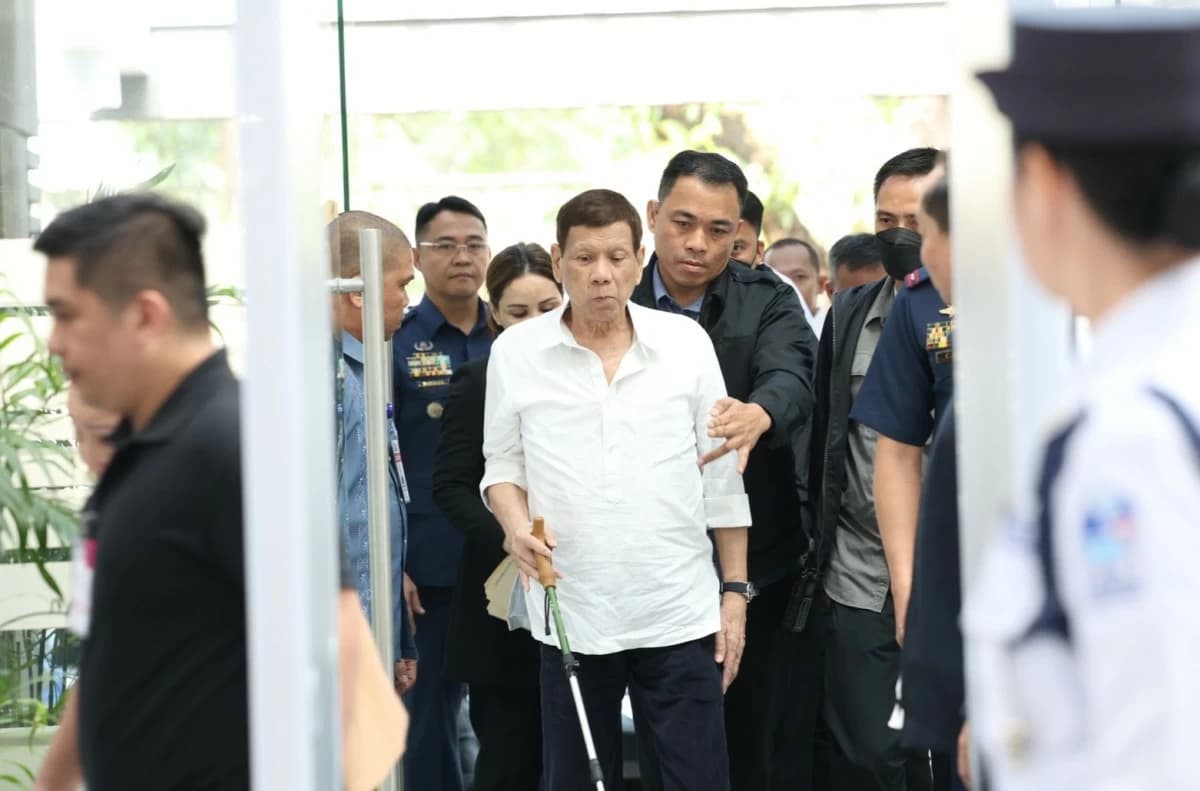
House Minority Solons Celebrate, Welcome ICC Confirmation of Charges vs Duterte
Why It Matters
The ruling signals that even former heads of state can be held accountable under international law, pressuring the Philippines to confront past abuses and potentially reshaping its political landscape. It also reinforces global norms against impunity for state‑sponsored violence.
Key Takeaways
- •ICC confirmed Duterte faces crimes against humanity charges
- •Charges cover murders from the 2011‑2019 drug war
- •Philippine opposition hails decision as justice for victims
- •ICC ruling pressures Manila to cooperate with international tribunals
- •Potential political fallout could affect Duterte allies and elections
Pulse Analysis
The ICC’s confirmation of charges against Rodrigo Duterte marks a watershed moment in the enforcement of international criminal law. The court, based in The Hague, has jurisdiction over alleged crimes against humanity when national systems fail to act. Duterte’s “war on drugs,” launched in 2011, resulted in an estimated 30,000 extrajudicial killings, a figure that human‑rights groups argue reflects a systematic policy rather than isolated incidents. By finding “substantial grounds” for murder and attempted murder charges, the ICC underscores that state‑directed campaigns of violence can trigger global accountability mechanisms, regardless of a leader’s domestic standing.
Domestically, the decision ignited jubilation among the Philippine opposition, particularly the House minority bloc, which framed the ruling as a triumph for victims’ families and a rebuke to the culture of impunity cultivated under Duterte’s administration. Lawmakers called for a fair, unobstructed trial and urged the government to protect witnesses and human‑rights defenders from retaliation. The ruling also places Manila under diplomatic pressure to cooperate with the ICC, a move that could strain relations with allies who prioritize rule‑of‑law commitments and affect foreign aid considerations.
Internationally, the case sets a precedent for holding former heads of state accountable for large‑scale human‑rights violations, echoing earlier ICC actions against leaders in Sudan and Kenya. It signals to other authoritarian regimes that systematic abuses may attract global scrutiny, potentially deterring future atrocities. For the Philippines, compliance could restore confidence among investors and partners wary of governance risks, while resistance might deepen isolation and fuel internal political turbulence ahead of upcoming elections.
House minority solons celebrate, welcome ICC confirmation of charges vs Duterte
Comments
Want to join the conversation?
Loading comments...