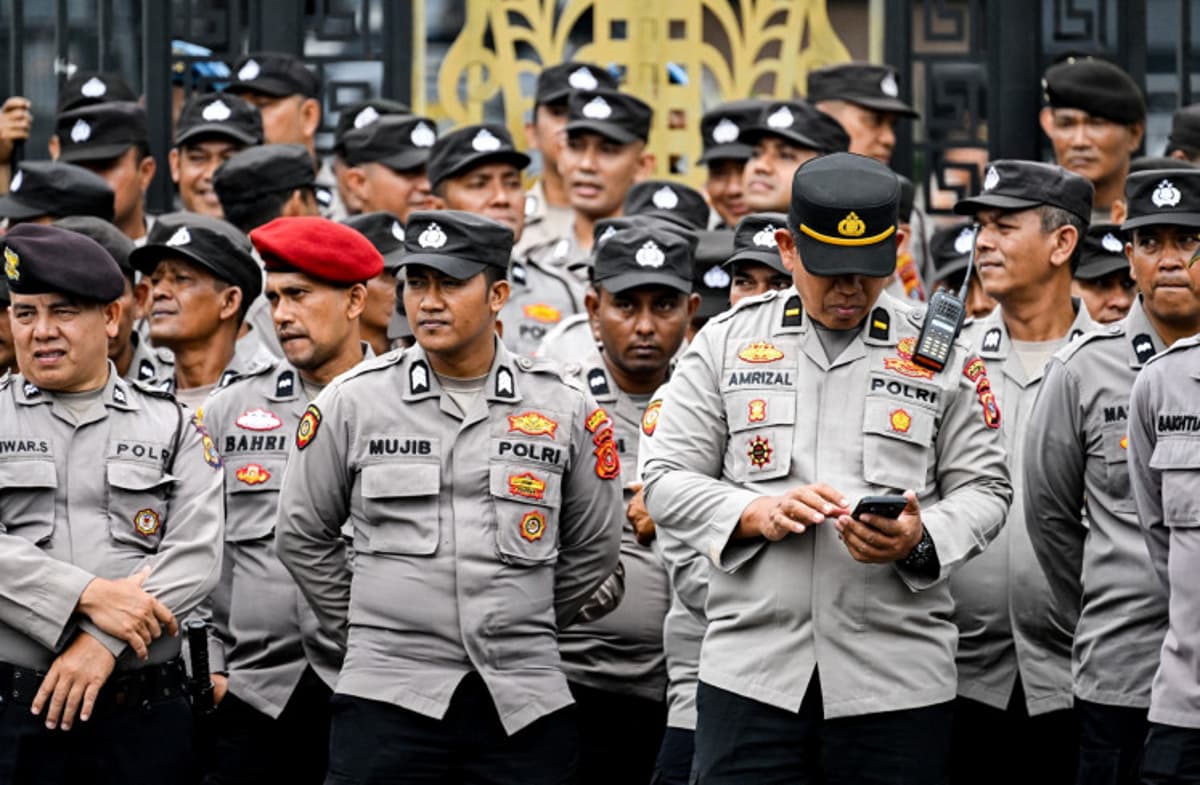
House Signals Readiness to Revise Police Law Following Reform Committee Proposal
Why It Matters
The reform aims to tighten civilian oversight of Indonesia’s police, addressing public anger over abuse and boosting confidence in law‑enforcement institutions, which is critical for political stability and foreign investment.
Key Takeaways
- •President Prabowo approved six-point police reform recommendations
- •Draft amendment to 2002 National Police Law to be prepared soon
- •House Commission III will discuss revision as a Prolegnas priority bill
- •Oversight mechanisms for police force to be strengthened
- •Reform follows nationwide protests demanding police accountability
Pulse Analysis
The wave of protests that swept Indonesia in late 2025, sparked by public outrage over perceived police impunity and lavish parliamentary perks, forced the government to confront long‑standing calls for law‑enforcement reform. Demonstrators across major cities demanded transparent oversight and an end to excessive force, prompting the executive to convene a multi‑agency reform committee. President Prabowo Subianto’s recent endorsement of the committee’s six‑point recommendations signals a decisive shift from reactive policing to a more accountable, civilian‑controlled model.
The proposed amendment targets the 2002 National Police Law, introducing provisions for independent oversight bodies, stricter disciplinary procedures, and clearer jurisdictional limits for the police. By embedding the draft in the Prolegnas priority bills, the House signals intent to fast‑track debate, with Commission III already earmarking it for the upcoming legislative session. Coordinating Minister Yusril Ihza Mahendra’s involvement underscores the administration’s commitment to aligning the reform with broader human‑rights and immigration policies, ensuring a cohesive legal framework.
If enacted, the reforms could reshape Indonesia’s security landscape, enhancing public trust and reducing the risk of future unrest. Stronger oversight is likely to improve police professionalism, which in turn may attract foreign investors wary of regulatory uncertainty. Moreover, the move positions Indonesia as a regional leader in policing standards, potentially influencing neighboring countries grappling with similar accountability challenges.
House signals readiness to revise Police Law following reform committee proposal
Comments
Want to join the conversation?
Loading comments...