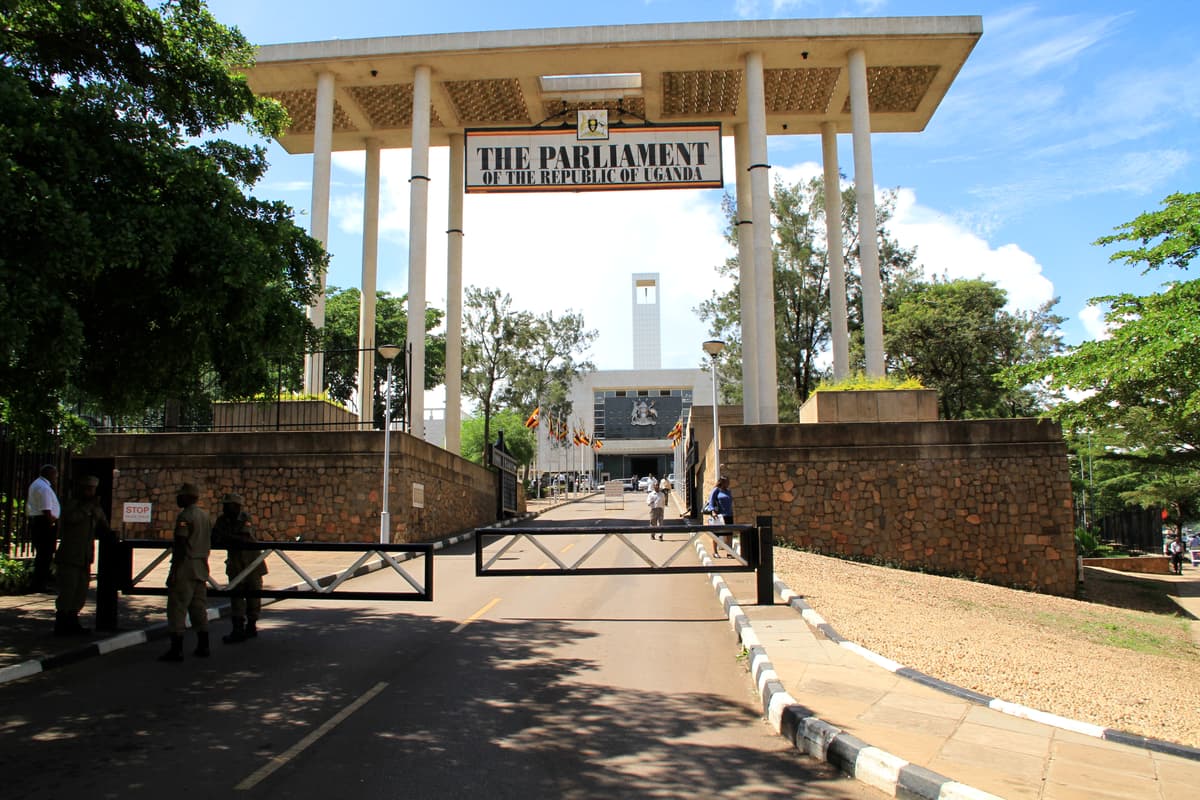
HRW Condemns a Proposed Bill in Uganda Criminalizing ‘Foreign Agents’
Why It Matters
The bill threatens to curtail freedom of expression and assembly, undermining Uganda's democratic space and deterring foreign‑funded civil‑society work. Its passage could signal a broader authoritarian shift that worries donors, investors and regional stability.
Key Takeaways
- •Bill 13 criminalizes promoting foreign interests, punishable up to 20 years
- •HRW likens Uganda's draft to Russia's 2012 foreign agents law
- •Registration as a foreign agent would allow ministry inspections without court order
- •Opposition groups fear crackdown after election‑related internet shutdowns and arrests
Pulse Analysis
Uganda’s Protection of Sovereignty Bill reflects a growing wave of legislation that brands NGOs, journalists and political activists as "foreign agents" if they receive external funding or critique government policy. The draft’s vague language—criminalizing any activity that "promotes the interests of a foreigner"—mirrors Russia’s 2012 law and gives the Interior Ministry sweeping authority to raid premises without judicial oversight. By attaching a maximum 20‑year prison term, the bill aims to deter civil‑society engagement and consolidate state control over public discourse.
The timing of the bill is significant. It follows a contested January election in which the Museveni administration imposed an internet shutdown, arrested prominent critics like Sarah Bireete, and used tear gas against opposition rallies. HRW’s senior Africa researcher, Oryem Nyeko, warned that the legislation is a direct extension of these repressive tactics, designed to stigmatize dissent and silence independent voices. For donors and international partners, the law raises compliance risks, as funding could be deemed illegal under the new definition of foreign influence, potentially chilling investment in health, education and governance projects.
Regionally, Uganda joins Georgia, Kyrgyzstan, El Salvador and Hungary in adopting Russian‑style foreign‑agent statutes, a trend that threatens democratic norms across emerging markets. The international community may respond with diplomatic pressure or conditional aid, but the precedent sets a concerning benchmark for authoritarian governments seeking to legitimize crackdowns under the guise of sovereignty. Stakeholders should monitor legislative developments closely, as the bill’s enactment could reshape the operating environment for NGOs, media outlets and foreign investors throughout East Africa.
HRW condemns a proposed bill in Uganda criminalizing ‘foreign agents’
Comments
Want to join the conversation?
Loading comments...