I Underwent “Conversion Therapy” As a Kid. As a Psychiatrist, I Can’t Believe the Supreme Court Might Approve This.
•March 11, 2026
0
Why It Matters
The decision will define the limits of First Amendment protections for professional conduct and shape nationwide safeguards for LGBTQ+ youth seeking mental‑health care.
Key Takeaways
- •Supreme Court reviewing Colorado's ban on conversion therapy
- •Case hinges on whether therapy counts as protected speech
- •Medical bodies label conversion practices fraudulent and harmful
- •Ruling could set precedent for regulating professional conduct
- •Decision impacts LGBTQ+ youth mental health protections nationwide
Pulse Analysis
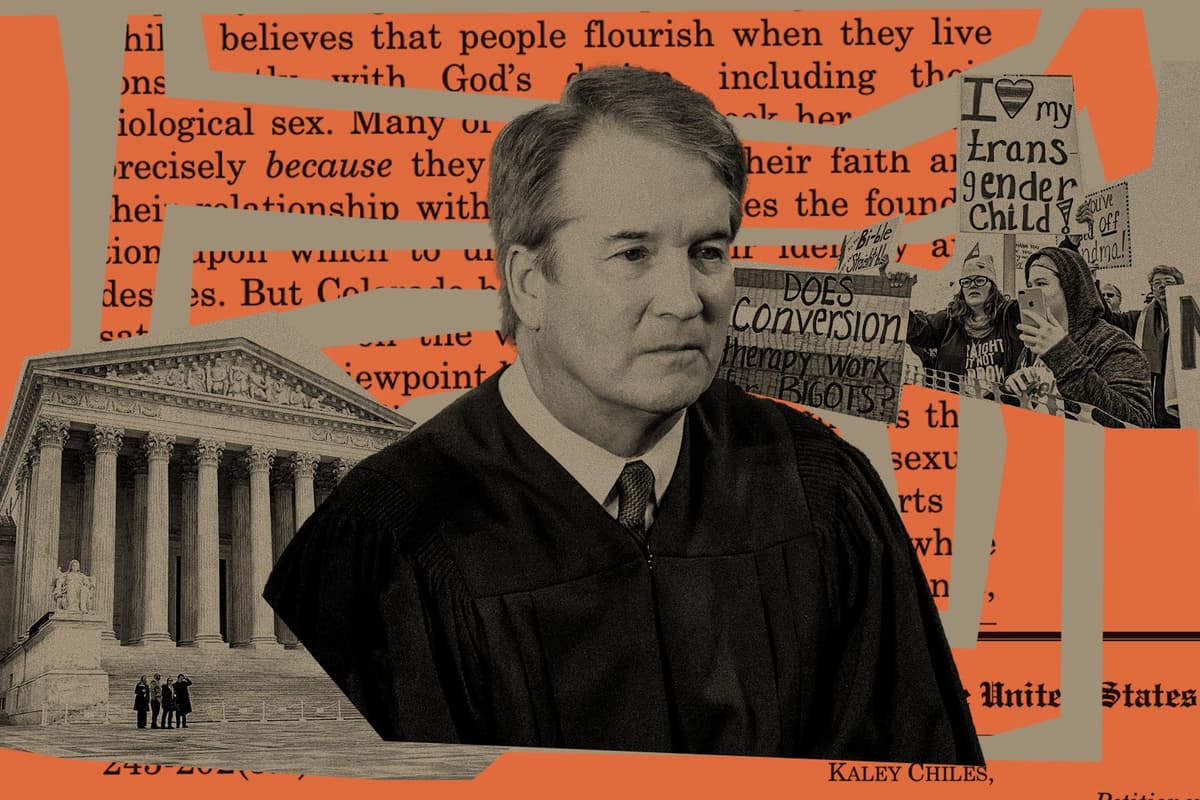
The legal battle over Chiles v. Salazar brings the contentious practice of conversion therapy into the nation’s highest court. Colorado’s statute prohibits licensed clinicians from offering “talk therapy” that seeks to alter a person’s sexual orientation or gender identity, framing the issue as a matter of consumer fraud rather than mere expression. By positioning the therapy as a professional service, the state argues it can enforce standards that protect vulnerable minors from deceptive and damaging interventions, a stance that directly challenges the argument that such counseling is simply protected speech.
Medical consensus reinforces the court’s potential regulatory authority. The American Psychological Association, American Medical Association, and American Academy of Child and Adolescent Psychiatry have all condemned conversion practices as ineffective and harmful, citing elevated rates of depression, anxiety, and suicidality among participants. This scientific repudiation underscores that the therapy is not a legitimate medical treatment but a form of psychological manipulation that violates core ethical principles such as nonmaleficence and patient autonomy. The Supreme Court’s prior rulings, including NIFLA v. Becerra, support state power to curb professional conduct that constitutes fraud, providing a legal foundation for upholding bans on conversion therapy.
Beyond the immediate case, the outcome will reverberate across the United States, influencing how courts balance First Amendment rights against the duty to protect public health. A decision affirming the ban would cement the principle that licensed professionals cannot hide harmful practices behind free‑speech claims, thereby strengthening protections for LGBTQ+ youth. Conversely, striking down the ban could embolden similar therapies nationwide, eroding established medical standards and exposing minors to increased psychological risk. The stakes extend to future regulatory debates on telehealth, mental‑health curricula, and the broader scope of state authority over professional services.
I Underwent “Conversion Therapy” as a Kid. As a Psychiatrist, I Can’t Believe the Supreme Court Might Approve This.
0
Comments
Want to join the conversation?
Loading comments...