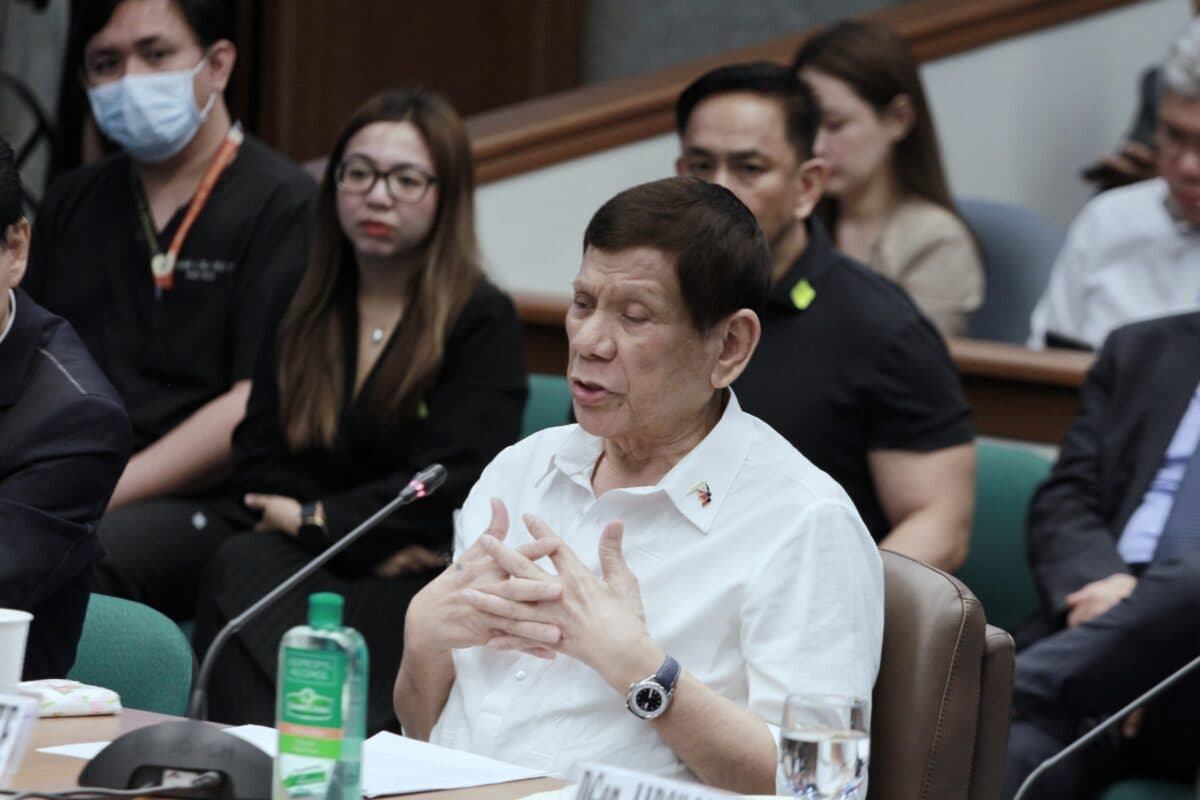
ICC Confirms Jurisdiction in Philippines Ex-President Duterte Case
Why It Matters
The decision underscores that a state cannot evade ICC accountability by exiting the Rome Statute, reinforcing the court’s role in ending impunity for mass atrocities. It also signals to other leaders that withdrawal offers no safe harbor from ongoing investigations.
Key Takeaways
- •ICC retains jurisdiction for crimes occurring before withdrawal
- •Duterte deemed fit for pre‑trial proceedings
- •Charges cover drug‑war killings from 2011‑2019
- •Withdrawal cannot shield states from ongoing ICC investigations
- •Confirmation hearing completed; trial possible within 60 days
Pulse Analysis
The ICC’s reaffirmation of jurisdiction in the Duterte case marks a pivotal moment for international criminal law. When the Philippines withdrew from the Rome Statute in 2018, many assumed that the move would shield its former leader from prosecution. However, the court’s reliance on Articles 12 and 13—combined with Article 127(2)—clarifies that jurisdiction persists for crimes committed while the state was a party. This legal interpretation prevents a loophole where states could time their exit to escape scrutiny, preserving the ICC’s mandate to combat impunity.
Duterte’s alleged involvement in the Philippines’ “war on drugs” resulted in thousands of deaths, prompting ICC prosecutors to file crimes‑against‑humanity charges in September 2025. The defense argued both medical unfitness and lack of jurisdiction, but the Appeals Chamber dismissed those claims, finding the former president capable of participating in proceedings and confirming that the court’s authority extends to the 2011‑2019 period. The February 2026 confirmation‑of‑charges hearing, conducted in Duterte’s absence, set a procedural deadline: the Pre‑Trial Chamber must decide within 60 days whether to move the case to trial. This timeline accelerates the path toward a full trial, emphasizing the court’s commitment to timely justice.
Beyond the Philippines, the ruling sends a clear signal to any nation contemplating withdrawal from the Rome Statute. It affirms that the ICC can retain jurisdiction over ongoing investigations, discouraging states from using withdrawal as a tactical shield. For victims of mass atrocities, the decision offers renewed hope that accountability mechanisms remain robust, regardless of political shifts. For policymakers and multinational corporations, the precedent underscores the importance of adhering to international human‑rights standards, as legal exposure can persist even after formal treaty disengagement.
ICC confirms jurisdiction in Philippines ex-president Duterte case
Comments
Want to join the conversation?
Loading comments...