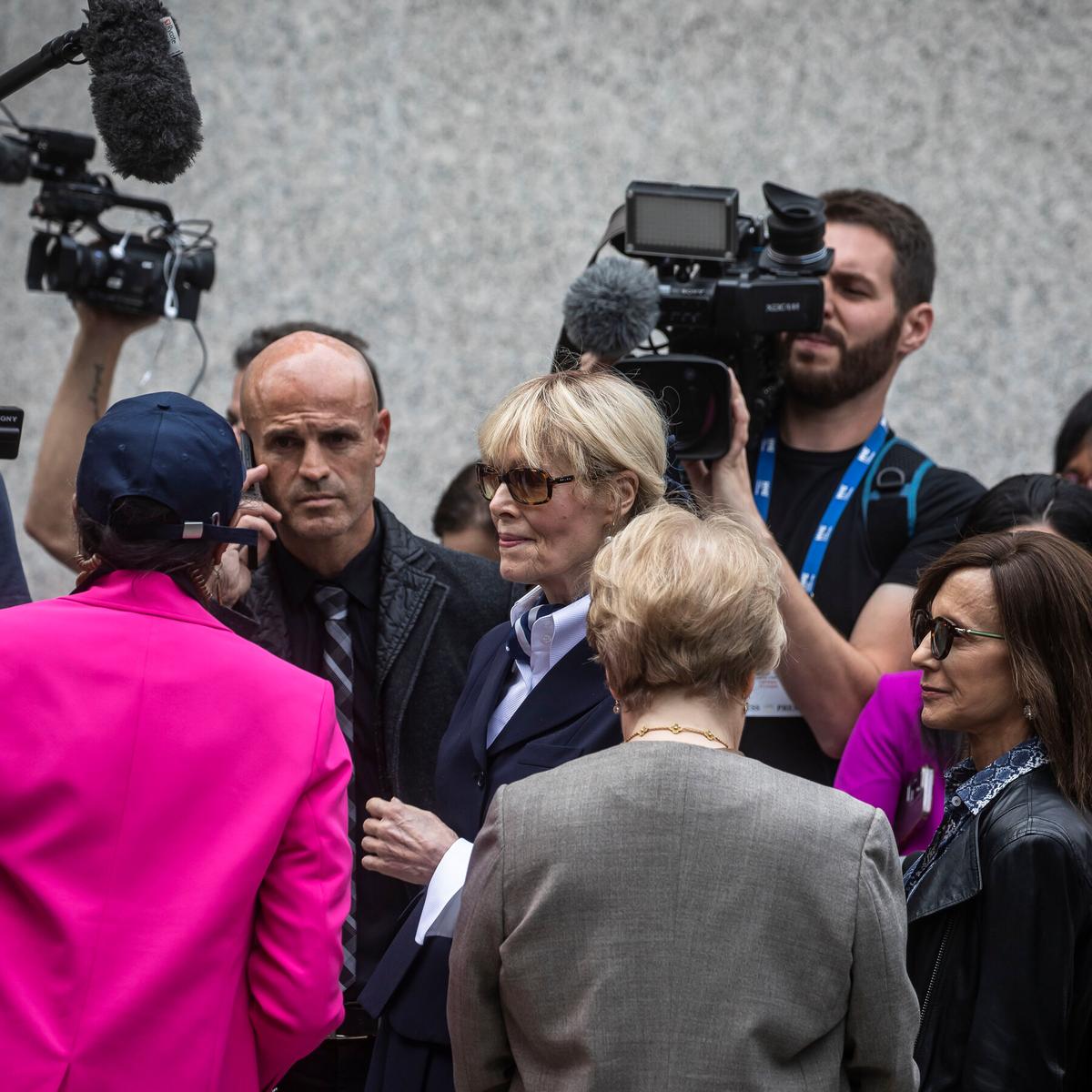
In Carroll Lawsuits Inquiry, Scrutiny Turns Toward Private Citizens Who Antagonized Trump
Why It Matters
The investigation could set legal precedents on nonprofit political contributions and signal how the DOJ may pursue cases tied to high‑profile political figures, affecting future civil litigation strategies.
Key Takeaways
- •DOJ probes nonprofit funding of Carroll's lawsuit against Trump.
- •Reid Hoffman’s American Future Republic faces criminal inquiry over donations.
- •Investigation expands from officials to private citizens challenging Trump.
- •Carroll’s case highlights potential politicized use of federal resources.
- •Outcome could set precedent for future civil suits against political figures.
Pulse Analysis
The Justice Department’s latest move signals a broader tactical shift in its ongoing scrutiny of legal actions surrounding former President Donald Trump. While earlier probes targeted former officials such as James Comey and Letitia James, prosecutors are now turning their attention to E. Jean Carroll, an 82‑year‑old author who alleges Trump sexually assaulted her decades ago. Carroll’s civil suit, filed in New York, has attracted national attention not only for its accusations but also for the financial backing it received from outside donors. By examining the source and handling of those funds, the DOJ is testing the limits of its investigative reach into private litigation that intersects with political controversy.
Central to the inquiry is a donation channel run through American Future Republic, a nonprofit founded by LinkedIn co‑founder Reid Hoffman. The organization contributed millions of dollars to cover Carroll’s legal expenses, raising questions about whether the contributions constitute prohibited political activity under federal law. If prosecutors determine that the nonprofit acted as a conduit for influencing a high‑profile political figure, it could trigger enforcement actions under campaign‑finance statutes. The case therefore sits at the nexus of civil rights claims, political advocacy, and the regulatory framework governing charitable giving.
The ramifications extend beyond the immediate parties. A finding of wrongdoing could set a precedent that deters private citizens from seeking redress against powerful politicians due to fear of financial scrutiny. Conversely, a clear legal pathway for nonprofit support of victims could empower future litigants facing similar obstacles. Law firms, advocacy groups, and political donors are watching closely, as the outcome will shape strategies for funding high‑stakes lawsuits and may prompt legislative reforms to clarify the boundaries between charitable contributions and political influence.
In Carroll Lawsuits Inquiry, Scrutiny Turns Toward Private Citizens Who Antagonized Trump
Comments
Want to join the conversation?
Loading comments...