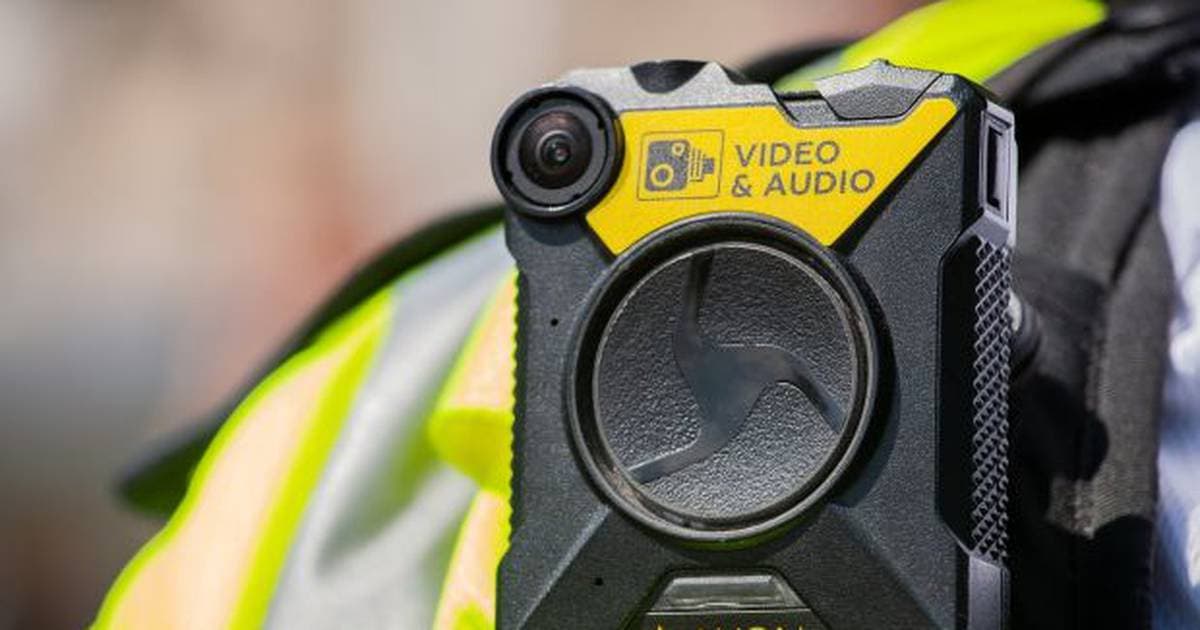
Ireland Body Camera Bill Prompts Debate over Use of Recorded Footage
Why It Matters
The move could dramatically boost police accountability but also sets a precedent for large‑scale biometric surveillance in Ireland, raising urgent privacy and legal questions.
Key Takeaways
- •Ireland plans $163.5 M rollout of body‑worn cameras nationwide
- •New bill permits biometric analysis of video and audio recordings
- •Civil‑rights groups warn of vague safeguards and EU AI Act gaps
- •Infrastructure spend focuses on storage and AI‑driven identification systems
Pulse Analysis
Body‑worn cameras have become a cornerstone of modern policing, offering real‑time documentation and a deterrent effect. Ireland’s decision to invest approximately $163.5 million reflects a broader European trend toward digital evidence collection, but the scale of the rollout also demands robust data‑handling infrastructure. The budget earmarked for storage, processing and AI‑driven analytics underscores the shift from simple recording to sophisticated biometric profiling, a transition that could reshape investigative practices across the island.
The legislative backdrop is equally pivotal. The Garda (Recording Devices) (Amendment) Bill 2025 introduces powers to conduct biometric analysis on recorded footage, a capability that intersects with the EU AI Act’s rules on facial‑recognition and identification systems. Critics argue the Bill’s definitions of “biometric analysis” and “identification” deviate from EU standards, creating legal grey zones and weakening fundamental‑rights protections. Civil‑rights organisations such as the Irish Council for Civil Liberties have called for clearer limits, echoing concerns that unchecked surveillance could erode public trust.
Ireland’s approach cannot be viewed in isolation. In Scotland, the Biometrics Commissioner has urged pre‑emptive legislation before deploying live facial‑recognition, highlighting a cautious stance that contrasts with England and Wales. The Irish debate may set a benchmark for how jurisdictions balance operational benefits against privacy safeguards. As AI‑enabled policing tools proliferate, the outcome of Ireland’s bill will likely influence regulatory frameworks across the UK and EU, shaping the future of biometric surveillance and its accountability mechanisms.
Ireland body camera bill prompts debate over use of recorded footage
Comments
Want to join the conversation?
Loading comments...