Companies Mentioned
Why It Matters
The lawsuit tests how far airlines are liable for employee actions taken off‑site, potentially expanding corporate exposure to third‑party claims. It also underscores the financial risk hotels face when guests interfere with safety systems.
Key Takeaways
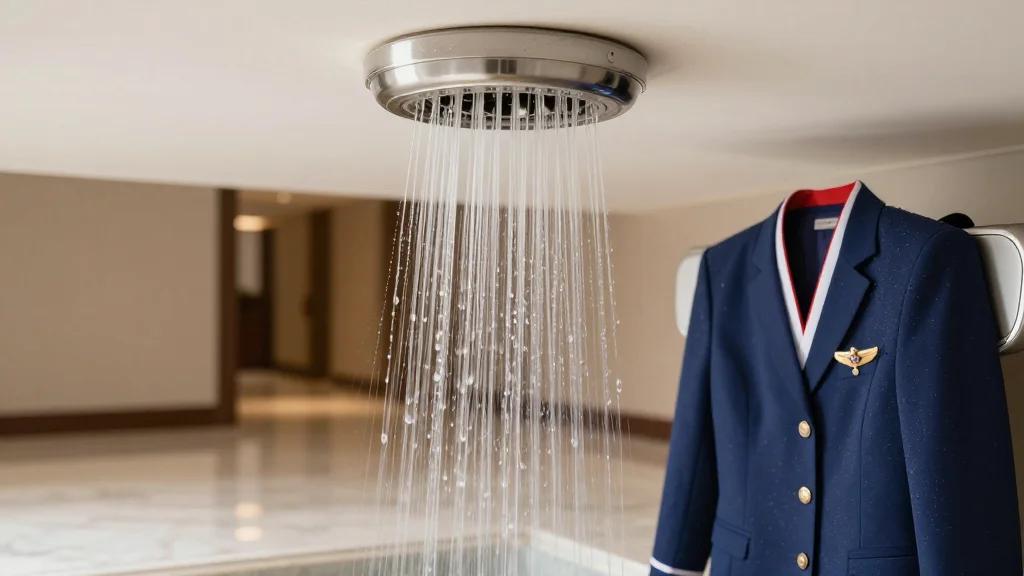
- •Southwest faces $217k lawsuit over attendant-triggered sprinkler
- •Hotel claims employee acted within employment scope, seeking airline liability
- •Sprinkler tampering caused flood, canceling reservations and cleanup costs
- •Case highlights airline responsibility for employee conduct off‑site
Pulse Analysis
Airlines have long grappled with the legal boundaries of employee conduct that occurs outside the cabin, but the Southwest incident pushes the issue into uncharted territory. While flight attendants are trained to enforce safety protocols in the air, the alleged deliberate activation of a hotel sprinkler raises questions about whether such actions fall under the traditional "scope of employment" doctrine. Courts typically assess factors like the employee’s duties, the location of the act, and whether the conduct was intended to further the employer’s business. In this case, Southwest may argue the attendant’s off‑site behavior was personal and unrelated to airline operations, seeking to limit liability.
The hotel’s complaint leverages the theory that the attendant was on a work‑related assignment, suggesting the airline bore a supervisory duty even while the employee was off‑duty. If the court accepts this argument, Southwest could be held responsible for the attendant’s negligence, opening the door for broader employer accountability in similar hospitality‑related incidents. Legal precedents in the transportation sector show mixed outcomes; some rulings have extended liability to carriers for employees’ off‑site negligence, while others have drawn a clear line separating personal conduct from corporate responsibility.
Beyond the courtroom, the case signals a warning for both airlines and hotels. Airlines may need to reinforce off‑site conduct policies and provide clearer guidance on prohibited actions during travel. Hotels, meanwhile, might tighten signage and enforce stricter penalties for tampering with safety equipment. Insurers are also likely to reassess coverage terms, potentially raising premiums for airlines that routinely send staff on overnight stays. The outcome will shape risk‑management strategies across the travel ecosystem, influencing how companies balance operational efficiency with liability mitigation.
Irony all set for takeoff
Comments
Want to join the conversation?
Loading comments...