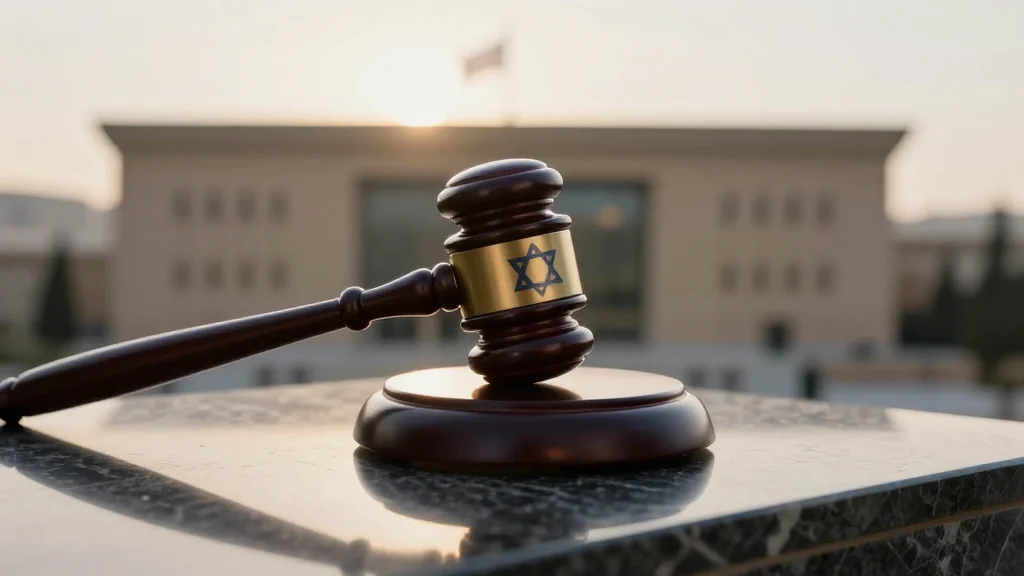
Israel's Knesset Approves Death Penalty Bill, Prompting Legal and Moral Clash

Why It Matters
The amendment tests the limits of Israel’s legal framework, pitting national security imperatives against entrenched human‑rights protections. A Supreme Court endorsement could set a precedent for expanding capital punishment in other democracies facing terrorism, while a reversal would reaffirm judicial checks on legislative overreach. The controversy also influences Israel’s diplomatic standing, potentially affecting aid, trade, and cooperation with allies who view the death penalty as a human‑rights violation. Domestically, the bill could reshape the criminal justice landscape, prompting revisions to police procedures, prosecutorial guidelines, and prison policies. It may also fuel societal polarization, as communities grapple with the moral implications of state‑sanctioned execution versus the desire for security.
Key Takeaways
- •Knesset passed death‑penalty expansion 62‑48, targeting terrorists who “negate the existence of the state.”
- •Security Minister Itamar Ben‑Gvir celebrated with champagne; bottle confiscated amid backlash.
- •Bill championed by Tzvika Foghel, who framed it as a necessary deterrent against “evil and hatred.”
- •Human‑rights groups warn the law could discriminate against Palestinians and breach international norms.
- •Potential Supreme Court review expected; outcome will influence Israel’s legal precedent and international reputation.
Pulse Analysis
The passage of the death‑penalty bill reflects a broader trend of security‑driven legislatures reaching for harsher punitive tools amid protracted conflict. Historically, Israel has reserved capital punishment for the most extreme crimes, such as war crimes and treason, and has applied it sparingly. By expanding its scope to terrorism, the Knesset is signaling a shift toward a more punitive posture, likely intended to appease a domestic electorate that feels threatened by ongoing attacks.
From a comparative perspective, the move aligns Israel with a shrinking cohort of nations that retain the death penalty for political violence. The legal risk lies in the Supreme Court’s willingness to scrutinize the amendment under Israel’s Basic Laws, which guarantee life and dignity. If the court strikes down the bill, it would reaffirm judicial independence and the primacy of human‑rights standards. Conversely, an upholding could embolden other states to pursue similar legislation, potentially eroding global norms against capital punishment.
Looking ahead, the bill’s fate will hinge on both legal arguments and political calculations. International partners may leverage diplomatic channels to pressure Israel, while domestic opposition parties could mobilize public protests. The outcome will not only shape Israel’s criminal code but also serve as a bellwether for how democracies balance security and liberty in an era of asymmetric warfare.
Israel's Knesset Approves Death Penalty Bill, Prompting Legal and Moral Clash
Comments
Want to join the conversation?
Loading comments...