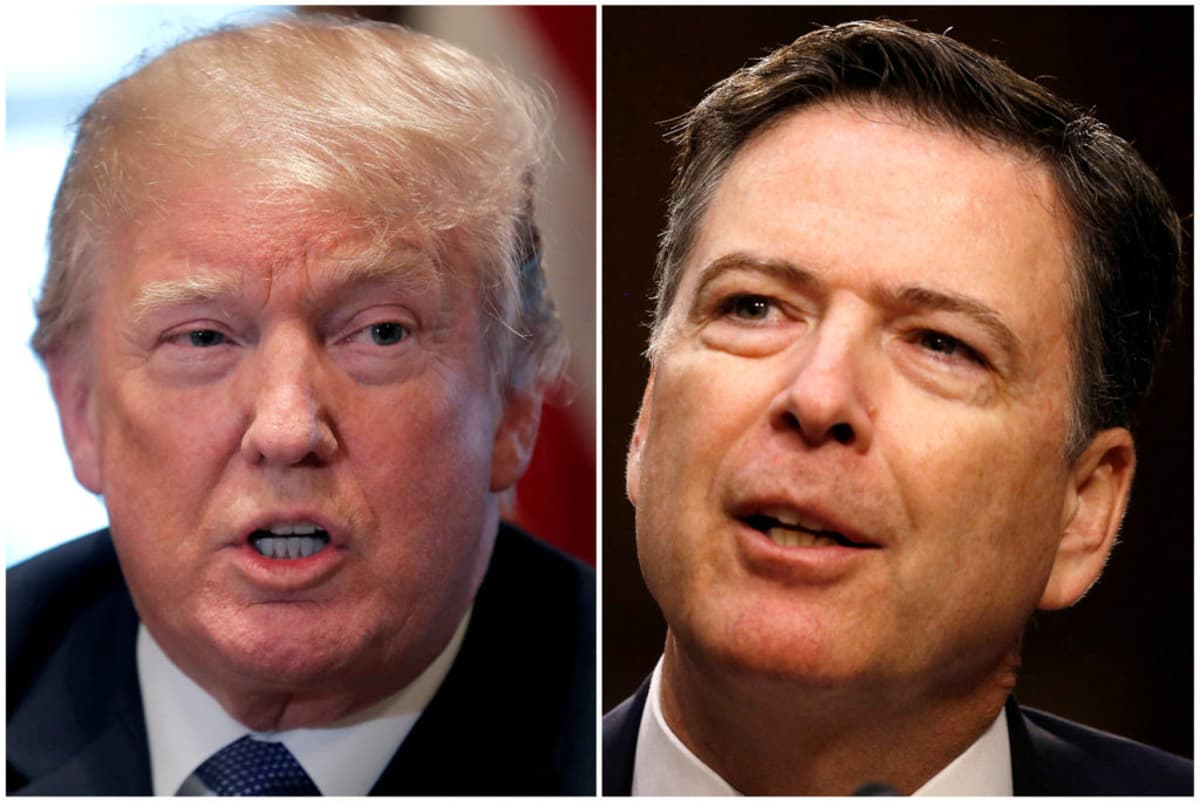
James Comey Indicted over Social Media Post Trump's DOJ Says Crossed a Line
Why It Matters
The prosecution tests the limits of political speech protection and could set a precedent for how the DOJ pursues perceived threats against a sitting president. A conviction would signal a shift toward more aggressive legal action against high‑profile political opponents.
Key Takeaways
- •Comey faces two felony counts, each carrying up to 10 years imprisonment
- •DOJ argues seashell post encodes a death threat using slang "86"
- •Supreme Court 2023 ruling requires subjective intent for threat prosecutions
- •Case could open door for similar prosecutions of political speech
Pulse Analysis
The latest indictment of James Comey revives a saga that began with the Trump administration’s first attempt to hold the former FBI chief accountable. The charge hinges on a seemingly innocuous 2025 Instagram photo of seashells arranged to read “86 47,” a numeric code the Justice Department interprets as a veiled death threat toward President Donald Trump. Comey’s defense rests on his claim that he did not recognize the slang meaning of “86” and that the post was removed once the controversy surfaced. This development arrives amid a broader DOJ focus on alleged threats against the president, following high‑profile investigations into former officials such as John Brennan and Joe Biden.
Legally, the case confronts a high bar established by the Supreme Court’s 2023 decision, which held that criminal threats require a defendant’s subjective awareness that their words could be perceived as threatening. Prosecutors must therefore prove that Comey knowingly intended the seashell message to convey a lethal intent, a standard complicated by the ambiguous nature of internet slang. First‑Amendment scholars argue that without clear intent, the indictment risks infringing on protected speech, while the DOJ contends that the context—targeting a sitting president—justifies a more stringent interpretation. The outcome will likely influence how lower courts assess the intersection of digital expression and criminal threat statutes.
Beyond Comey, the indictment signals a potential escalation in the federal government’s willingness to pursue criminal charges for politically charged speech. If upheld, the case could embolden the DOJ to target other individuals who employ coded language or symbols that critics deem threatening, raising concerns about chilling effects on dissent. Conversely, a dismissal could reinforce robust protections for political commentary, even when it skirts the edges of offensive rhetoric. Stakeholders in media, law, and politics will be watching closely, as the ruling may reshape the legal landscape surrounding free speech, presidential security, and the politicization of the justice system.
James Comey indicted over social media post Trump's DOJ says crossed a line
Comments
Want to join the conversation?
Loading comments...