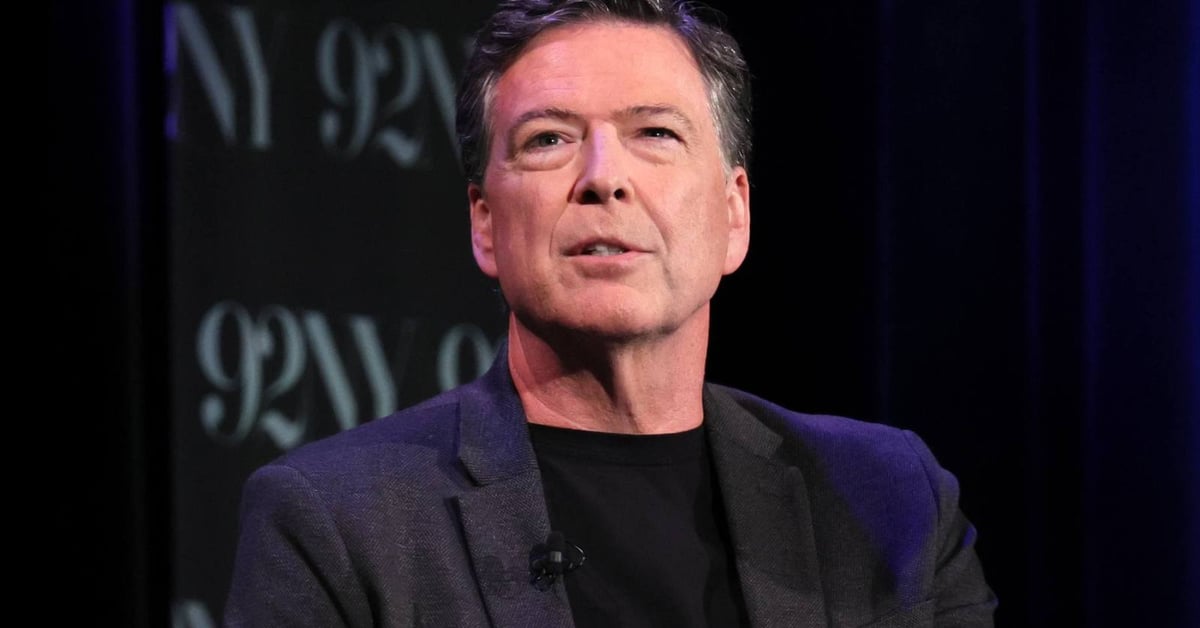
James Comey Responds to Indictment Over Seashell Photo: ‘I’m Still Not Afraid’
Why It Matters
The case tests the boundary between political expression and federal threat statutes, potentially reshaping how prosecutors handle online speech tied to high‑profile political figures. It also underscores the ongoing legal and cultural battles between former Trump allies and critics.
Key Takeaways
- •Comey indicted on two federal counts for alleged threat via Instagram
- •Shells displayed “86 47,” interpreted as threat to President Trump
- •Comey maintains innocence, says he’s not afraid of prosecution
- •Acting AG Blanche emphasizes intent proof will rely on witnesses
- •Case highlights tension between political speech and federal threat laws
Pulse Analysis
James Comey’s recent indictment revives a saga that began with a seemingly innocuous Instagram post of seashells on a North Carolina beach. The shells formed the numbers “86 47,” a combination prosecutors argue can be read as a coded threat—"86" meaning to eliminate and "47" referencing President Donald Trump, the nation’s 47th and 45th president. Federal grand jurors in the Eastern District of North Carolina charged Comey with threatening the president and transmitting that threat across state lines, marking a rare application of threat statutes to a former law‑enforcement official.
Legal analysts note that the crux of the case will be proving intent, a notoriously difficult element in threat prosecutions. Acting Attorney General Todd Blanche stressed that investigators will rely on witness testimony, documentary evidence, and Comey’s own statements to establish a purposeful message. Comey’s defense hinges on his claim that he did not associate the numbers with violence, that he removed the post promptly, and that his intent was merely a political commentary. The outcome could set a precedent for how digital symbols and coded language are evaluated under federal law, especially when political figures are involved.
Beyond the courtroom, the indictment fuels an already polarized political climate, raising questions about free speech, selective enforcement, and the role of the Department of Justice in politically charged investigations. Critics argue the move may chill legitimate political expression, while supporters view it as a necessary deterrent against veiled threats. As the case proceeds, businesses and public figures will watch closely, gauging the balance between protecting public officials and preserving robust, albeit contentious, political discourse.
James Comey Responds to Indictment Over Seashell Photo: ‘I’m Still Not Afraid’
Comments
Want to join the conversation?
Loading comments...