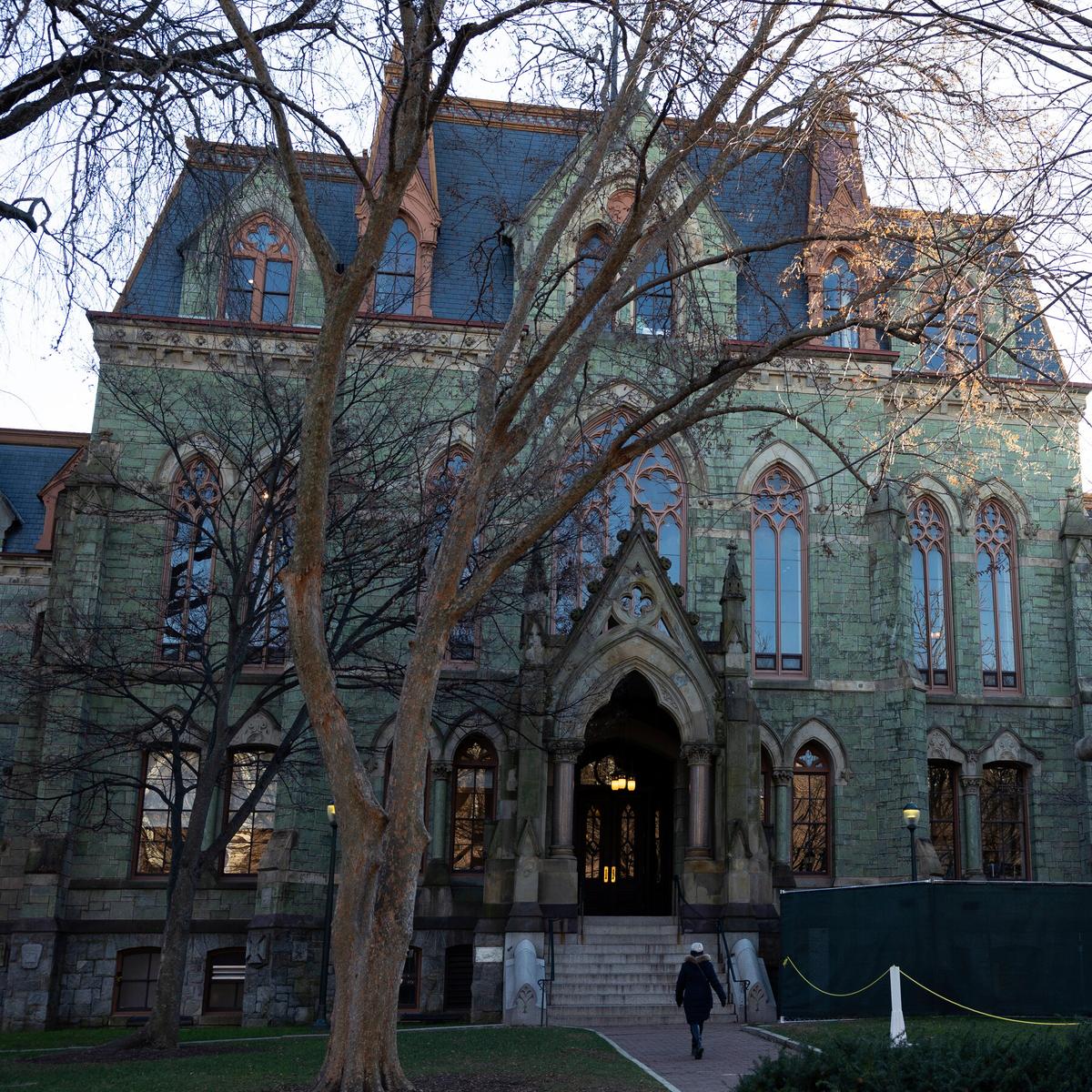
Judge Is Skeptical of Penn’s Argument Against Trump Demand for List of Jews
Why It Matters
A ruling could set a nationwide precedent on how government agencies access religious affiliation data on campuses, reshaping privacy and free‑speech protections in higher education.
Key Takeaways
- •Judge leans toward EEOC subpoena authority
- •Penn cites constitutional violations and privacy concerns
- •Potential precedent for campus data requests nationwide
- •Jewish community fears historical parallels to discrimination
Pulse Analysis
The Equal Employment Opportunity Commission’s request for the University of Pennsylvania’s Jewish faculty and staff lists marks a rare convergence of civil‑rights enforcement and political pressure. Invoked under the banner of probing workplace antisemitism linked to recent Gaza‑related protests, the subpoena reflects the Trump administration’s aggressive stance on campus speech issues. Federal Judge Gerald J. Pappert, appointed by President Obama, signaled openness to the EEOC’s argument, noting the low evidentiary threshold for relevance. This early judicial posture underscores how federal agencies are leveraging existing statutes to obtain demographic data previously shielded by academic autonomy.
Universities nationwide watch the case closely because a ruling in favor of the EEOC could reshape data‑privacy norms in higher education. Academic institutions routinely protect faculty identities under the First Amendment and FERPA, arguing that mass collection of religious affiliation threatens both constitutional rights and campus safety. If Penn is compelled to comply, colleges may be forced to develop new compliance frameworks, increasing administrative burdens and legal exposure. The decision also raises questions about the scope of EEOC authority, potentially extending its reach beyond traditional employment discrimination to broader ideological investigations.
The controversy taps into a deeper historical anxiety within the Jewish community, recalling government‑mandated registries that preceded the Holocaust. While the administration frames the demand as a tool to combat antisemitism, critics argue it creates a chilling effect on free expression and could be weaponized against dissenting voices. Legal scholars predict a protracted battle, likely culminating in appellate review that will set national precedent. Stakeholders—from civil‑rights groups to university boards—must balance the imperative to address hate incidents with the need to safeguard individual privacy and prevent governmental overreach.
Judge Is Skeptical of Penn’s Argument Against Trump Demand for List of Jews
Comments
Want to join the conversation?
Loading comments...