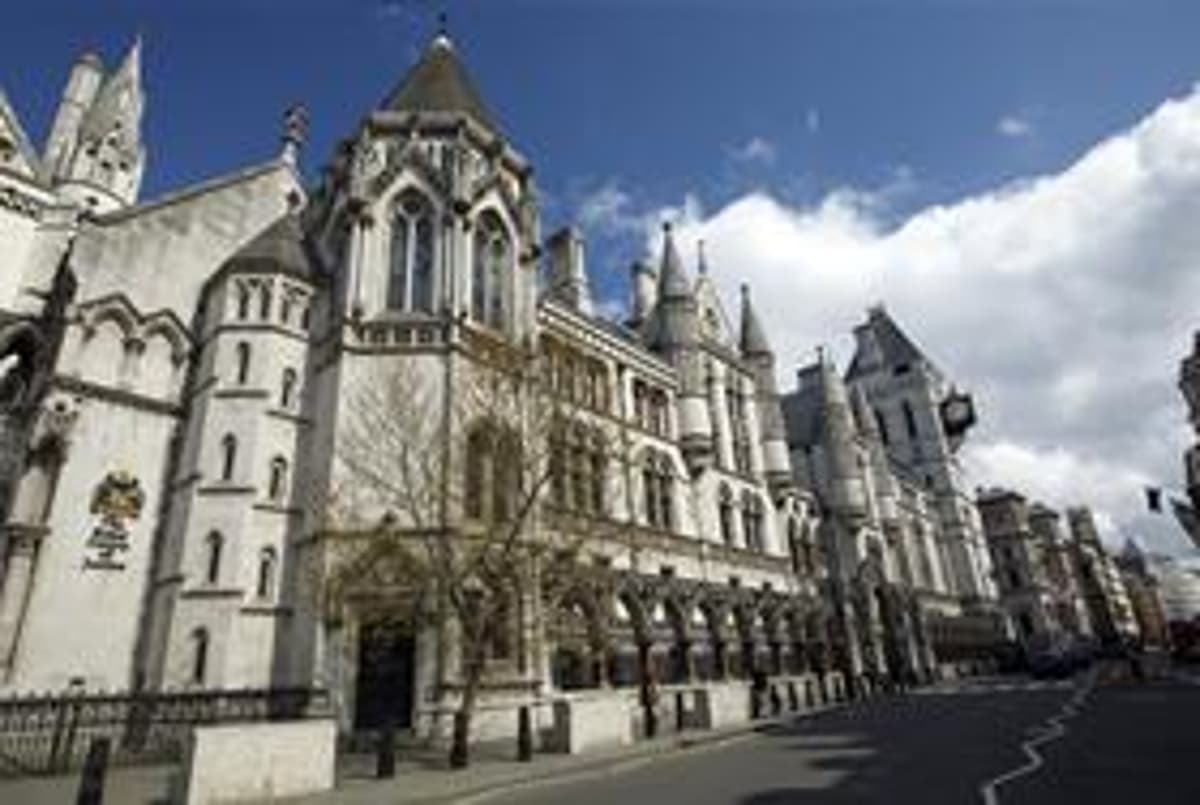
Judge Makes First 'Statutory SLAPP' Definition
•March 11, 2026
0
Why It Matters
The definition standardizes anti‑SLAPP litigation, protecting free speech and reducing meritless lawsuits, which could reshape corporate and activist legal tactics.
Key Takeaways
- •First judicial definition of statutory SLAPP established
- •Clarifies plaintiff burden of proof
- •Sets precedent for anti‑SLAPP motions
- •Impacts corporate and activist litigation strategies
- •May prompt legislative refinements nationwide
Pulse Analysis
The judge's ruling marks a pivotal moment for anti‑SLAPP jurisprudence, offering courts a concrete framework to evaluate whether a suit qualifies as a strategic lawsuit against public participation. By delineating the required elements—such as the plaintiff's intent to chill protected expression and the lack of a legitimate claim—the decision reduces ambiguity that previously hampered defendants seeking dismissal. This clarity not only streamlines court proceedings but also strengthens the legal shield for journalists, NGOs, and whistleblowers facing retaliatory litigation.
Beyond immediate case law, the definition influences how businesses and advocacy groups assess legal risk. Companies now have a clearer benchmark for evaluating whether a lawsuit might be deemed a SLAPP, prompting more proactive defenses and, in some cases, settlement strategies to avoid costly litigation. Meanwhile, activists can leverage the ruling to file anti‑SLAPP motions with greater confidence, potentially deterring entities from using the courts as a weapon against dissent. The decision also encourages states to revisit their anti‑SLAPP statutes, ensuring alignment with the newly articulated judicial standards.
Industry observers predict that the precedent will ripple through federal and state courts, fostering a more uniform approach to protecting free speech. Legal practitioners are likely to cite the definition in briefs, shaping the evolution of case law across multiple jurisdictions. As anti‑SLAPP measures gain traction, the ruling could spur legislative bodies to refine statutes, balancing the need for legitimate legal recourse with safeguards against abuse. Ultimately, the judge's definition strengthens democratic discourse by curbing frivolous lawsuits designed to silence critics.
Judge makes first 'statutory SLAPP' definition
0
Comments
Want to join the conversation?
Loading comments...