Judge Refuses to Delay Civil Trial Over Fatal Baltimore Bridge Collapse
Why It Matters
Maintaining the trial schedule ensures victims’ families can seek compensation without further delay and signals that civil accountability proceeds independently of criminal proceedings, setting a precedent for large‑scale infrastructure disasters.
Key Takeaways
- •Judge keeps civil trial start date June 1 despite criminal indictments
- •Six construction workers died when the Key Bridge collapsed on March 26
- •$2.25 billion settlement reached, but victim civil claims remain unresolved
- •Indicted firms include Singapore’s Synergy Marine and India’s Synergy Maritime
- •Witness reluctance cited, but judge emphasizes judicial efficiency
Pulse Analysis
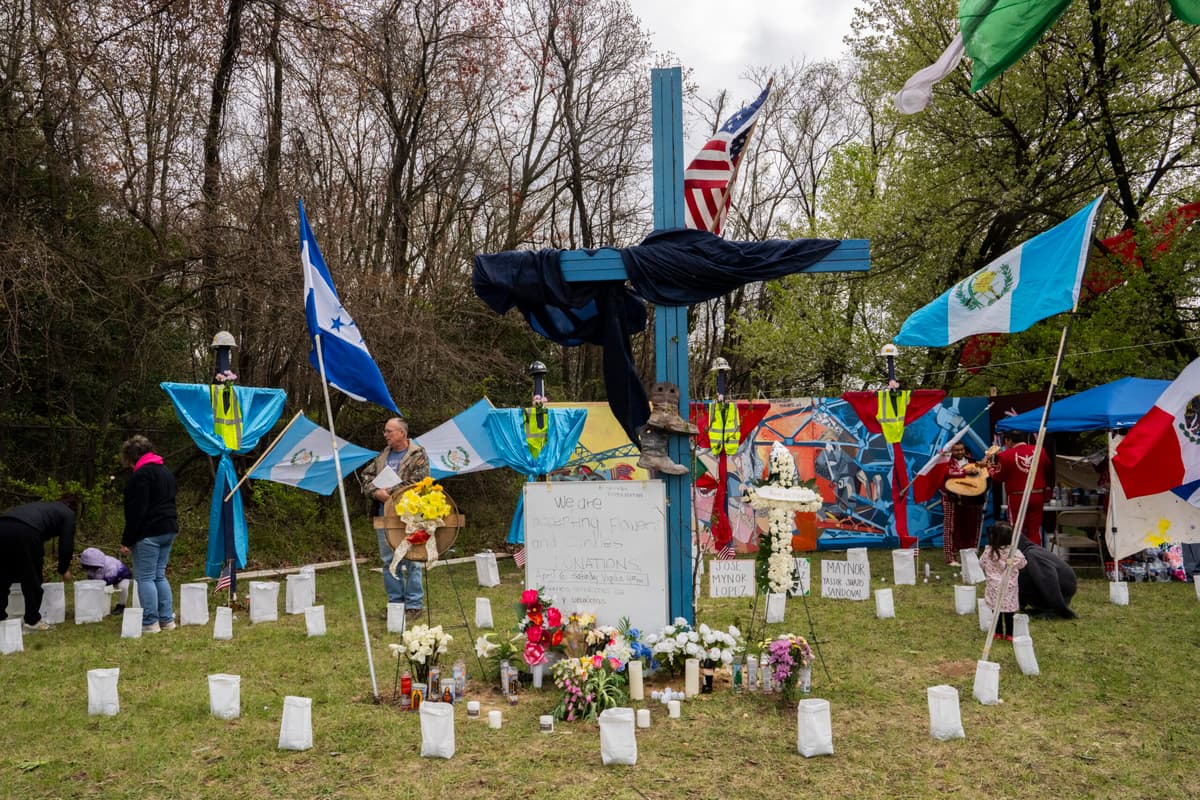
The Francis Scott Key Bridge collapse shocked the nation, claiming six lives and halting a critical transportation artery. The container ship Dali’s loss of power and subsequent impact highlighted vulnerabilities in maritime navigation and bridge design. While a $2.25 billion settlement was negotiated with the ship’s owners, it primarily addresses state-level liabilities and leaves a complex web of civil claims pending, underscoring the financial magnitude of infrastructure failures.
In the legal arena, U.S. District Judge James Bredar’s refusal to delay the civil trial underscores the judiciary’s commitment to separating civil remedies from criminal accountability. By keeping the June 1 schedule, the court aims to preserve judicial resources and deliver timely relief to victims’ families, even as prosecutors pursue conspiracy and misconduct charges against Synergy Marine, Synergy Maritime, and the ship’s technical superintendent. This dual-track approach reflects a broader legal principle: civil liability can proceed concurrently with criminal investigations, preventing procedural bottlenecks.
The broader implications for the maritime and construction sectors are significant. Companies now face heightened scrutiny over equipment maintenance, fuel‑pump integrity, and real‑time reporting to authorities. The case also serves as a cautionary tale for insurers and investors, who must reassess risk models for large‑scale projects involving hazardous cargo. As the civil trial unfolds, stakeholders will watch closely for precedents on liability allocation, compensation frameworks, and regulatory reforms aimed at averting future tragedies.
Judge Refuses to Delay Civil Trial Over Fatal Baltimore Bridge Collapse
Comments
Want to join the conversation?
Loading comments...