Why It Matters
The ruling clears the way for one of the most expensive live‑sports productions ever, signaling that high‑profile events can move forward despite regulatory challenges, and it underscores the financial stakes involved for promoters and federal agencies.
Key Takeaways
- •Judge Amit Mehta denied temporary restraining order for UFC White House event
- •Plaintiffs failed to prove irreparable harm or required environmental review
- •$60 million production cost cited as critical factor in ruling
- •UFC Freedom 250 scheduled for Sunday night despite legal challenge
- •Case underscores regulatory scrutiny of high‑profile sporting events on federal land
Pulse Analysis
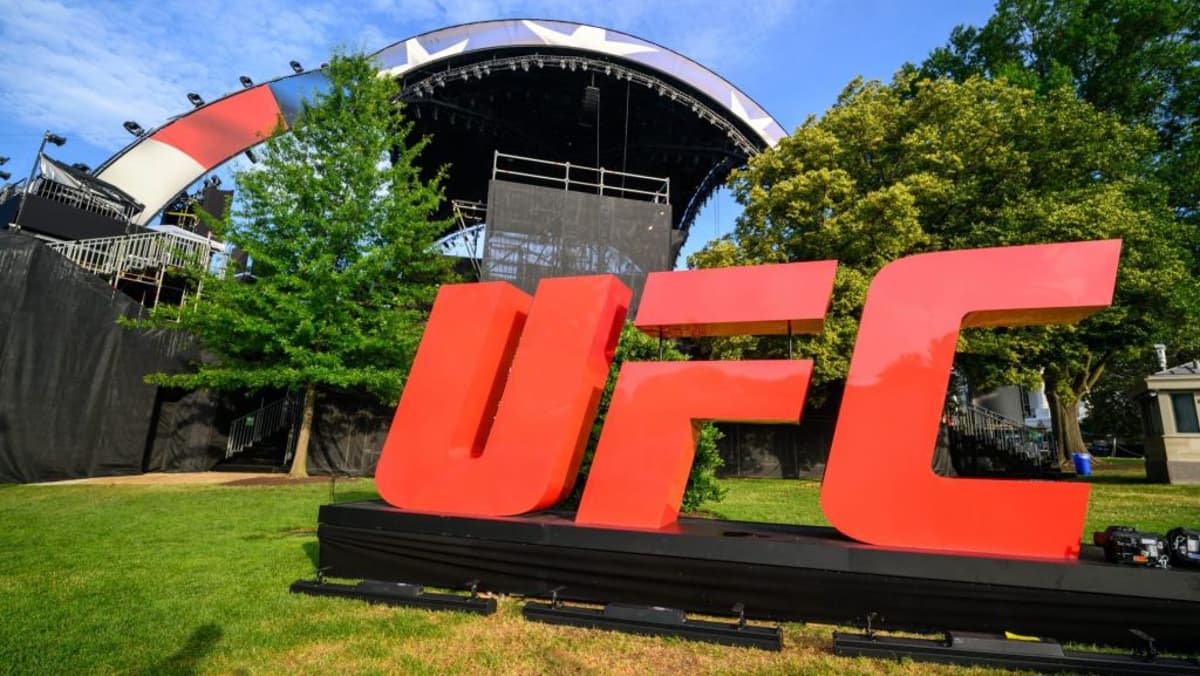
The UFC’s Freedom 250 event represents an unprecedented fusion of mixed‑martial arts spectacle and political symbolism, staging a $60 million production on the National Mall adjacent to the White House. The elaborate set includes a 92‑foot "Claw" structure that looms over the octagon, turning the historic grounds into a high‑tech arena. By investing heavily in infrastructure and marketing, UFC’s parent company TKO Group Holdings aims to cement its brand as a cultural force, leveraging the visibility of the nation’s capital to attract global audiences and premium sponsors.
Legal opposition emerged from the Public Integrity Project, which argued that the National Park Service and the Department of the Interior violated strict federal regulations by allowing the event without congressional approval or a comprehensive environmental impact review. U.S. District Judge Amit Mehta dismissed the injunction request, emphasizing that the plaintiffs had not demonstrated a concrete, discernible injury. He also noted the substantial financial risk to the promoter, stating that a court‑ordered shutdown would jeopardize the $60 million already spent. The decision underscores the judiciary’s reluctance to intervene in commercial ventures absent clear statutory violations, especially when significant economic interests are at stake.
The outcome carries broader implications for the sports and entertainment industry. It signals that large‑scale events on federal property can proceed if organizers secure agency consent, even amid activist challenges. Promoters will likely intensify due‑diligence efforts, ensuring compliance with environmental and procedural requirements to preempt litigation. Meanwhile, federal agencies may face heightened scrutiny to balance public‑interest considerations with the economic benefits of hosting marquee events, setting a precedent that could shape the planning of future spectacles ranging from concerts to esports tournaments.
Judge Rejects Bid to Stop UFC White House Show
Comments
Want to join the conversation?
Loading comments...