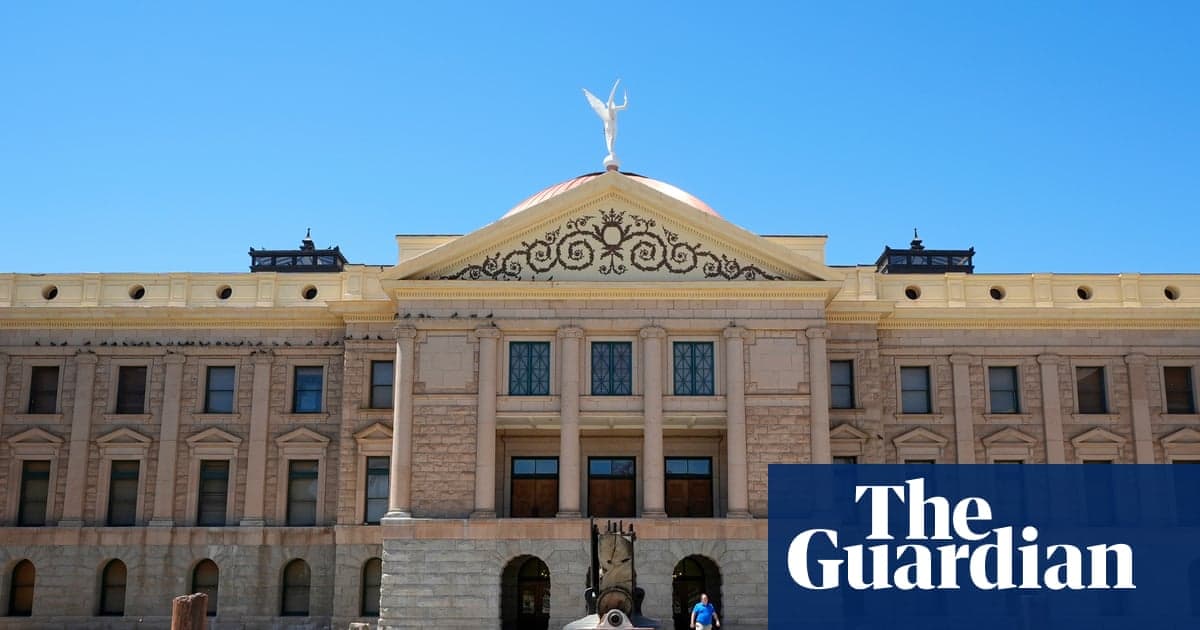
Judge Thwarts Trump Administration’s Attempt to Access Arizona Voter Rolls
Why It Matters
The decision safeguards voter privacy and reinforces state authority over voter‑roll data, limiting federal overreach ahead of a critical election cycle.
Key Takeaways
- •Judge Susan Brnovich dismissed DOJ suit against Arizona voter rolls
- •Arizona joins 13 states that have refused or limited data sharing
- •DOJ seeks voter data to feed DHS’s SAVE immigration‑status system
- •Legal setbacks curb federal attempts to amass voter information before midterms
Pulse Analysis
The Justice Department’s latest lawsuit aimed at extracting Arizona’s voter registration details was thrown out by U.S. District Judge Susan Brnovich, a Trump appointee. Brnovich concluded that the state’s voter list does not qualify as a document the Attorney General can compel under the National Voter Registration Act, dismissing the case with prejudice. This ruling follows a broader DOJ strategy that has targeted more than 30 states and the District of Columbia, seeking names, birth dates, addresses, driver’s‑license numbers and partial Social Security digits to build a national database.
At the heart of the controversy is the Department of Homeland Security’s SAVE (Systemic Alien Verification for Entitlements) program, which cross‑references voter data with immigration records. Critics argue that SAVE’s reliance on outdated or incomplete information can generate false non‑citizen flags, risking erroneous voter purges and fueling misinformation about election integrity. The Brennan Center highlights that such errors are rare but consequential, especially when they affect eligible voters. By blocking the Arizona request, the court reinforced the principle that states retain exclusive authority over voter‑roll maintenance, a safeguard against potential misuse of personal data.
Politically, the setback curtails the administration’s ability to amass granular voter information that could be leveraged to shape narratives or target outreach ahead of the 2026 midterms. With similar dismissals in several other jurisdictions, the federal push faces mounting legal resistance, signaling to election officials that privacy protections will likely endure. The precedent set by these rulings may deter future attempts to compel state voter data without clear congressional authorization, preserving the balance between national security interests and individual voting rights.
Judge thwarts Trump administration’s attempt to access Arizona voter rolls
Comments
Want to join the conversation?
Loading comments...