Why It Matters
The verdict preserves the existing AI industry hierarchy and shows that delayed, high‑profile lawsuits are unlikely to overturn corporate governance in the sector.
Key Takeaways
- •Jury found Musk's case barred by statute of limitations
- •$134 billion damages claim dismissed after brief deliberation
- •OpenAI, Altman, Brockman, Microsoft face no liability
- •Decision reinforces stability of AI sector leadership
- •Musk's legal strategy deemed untimely, ending major challenge
Pulse Analysis
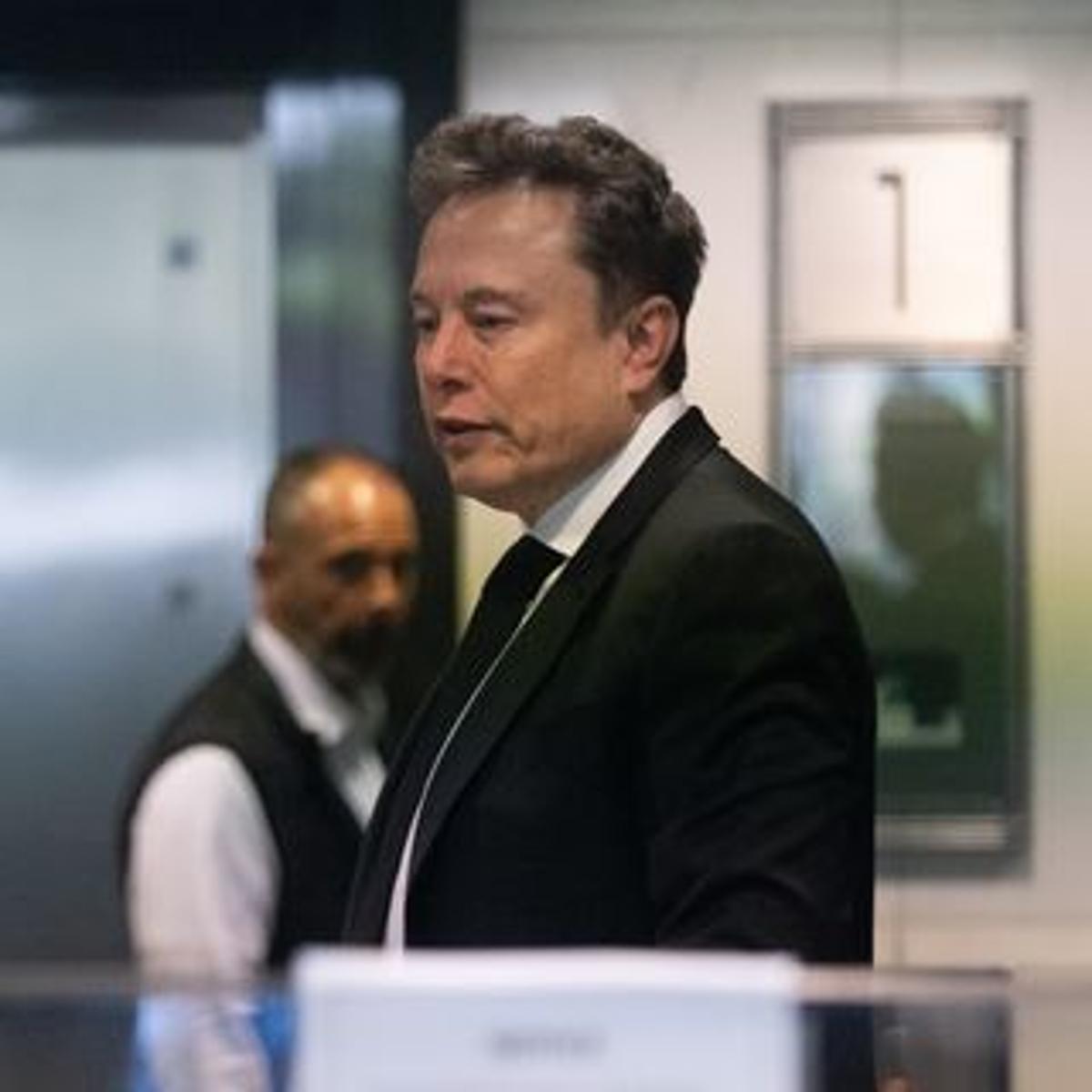
Elon Musk’s lawsuit against OpenAI stemmed from his belief that the company had strayed from its original nonprofit mission and was now prioritizing profit at the expense of safety. In 2024, Musk filed a $134 billion claim seeking damages and the ouster of Sam Altman, arguing that OpenAI’s partnership with Microsoft violated the founding charter. The case attracted attention because it pitted a billionaire tech visionary against one of the most influential AI firms, raising questions about governance, intellectual property, and the limits of shareholder‑like activism in a rapidly evolving field.
The jury’s swift, unanimous verdict sends a clear signal to the AI ecosystem: legal challenges based on alleged mission drift must be timely and well‑founded, or they risk being dismissed outright. By upholding the statute‑of‑limitations defense, the court reinforced procedural rigor, discouraging future investors from using protracted litigation to force leadership changes. For OpenAI, the ruling safeguards its strategic partnership with Microsoft and its ongoing rollout of commercial products, preserving market confidence and allowing the company to focus on research and deployment without the cloud of a massive liability claim.
Looking ahead, Musk is unlikely to pursue further claims against OpenAI, but the episode may influence how other tech leaders approach governance disputes. The decision underscores the importance of clear corporate charters and timely legal action, especially as AI regulation tightens worldwide. Investors and regulators will watch closely for any new attempts to challenge AI firms’ strategic directions, but the precedent set here suggests courts will prioritize procedural compliance over speculative damages claims, maintaining stability in a sector where rapid innovation already creates significant uncertainty.
Jury rules against Musk in landmark AI trial
Comments
Want to join the conversation?
Loading comments...