Kash Patel’s $250 Million Lawsuit Was Going Fine Until He Started Talking About It
Companies Mentioned

Why It Matters
The loss of the Figliuzzi case weakens Patel’s broader defamation strategy and highlights the challenges of suing media outlets over opinion‑based commentary. It also signals that political motivations may be driving high‑stakes litigation rather than solid legal grounds.
Key Takeaways
- •Patel's $250M suit hinges on alleged actual malice
- •Texas judge dismissed Patel's Figliuzzi case as protected satire
- •Anti‑SLAPP claim rejected; Patel avoids fee‑shifting penalty
- •Press conference highlighted inconsistencies in Patel's own complaint
- •Lawsuit underscores political posturing eclipsing legal substance
Pulse Analysis
Kash Patel’s $250 million defamation filing against The Atlantic has drawn intense scrutiny, not only for its size but for the questionable legal foundation it rests on. By citing a separate lawsuit against former FBI counterintelligence director Frank Figliuzzi as evidence of actual malice, Patel attempted to create a pattern of alleged false reporting. However, U.S. District Judge George Hanks Jr. in Texas dismissed the Figliuzzi case, characterizing the remarks as hyperbolic satire protected by the First Amendment. That ruling erodes Patel’s narrative that The Atlantic knowingly published defamatory content, and it underscores the difficulty of proving actual malice when statements are clearly opinion‑based.
The dismissal also triggered a procedural ripple effect. Patel’s anti‑SLAPP request for attorney’s fees was denied, leaving him without a financial penalty but also without the leverage that fee‑shifting could provide. This outcome illustrates how federal courts often deem state anti‑SLAPP statutes inapplicable, limiting plaintiffs’ ability to recoup costs in high‑profile media suits. For media organizations, the case reaffirms the protective shield around commentary on public figures, especially when the commentary is presented in a joking or exaggerated context. Legal analysts note that Patel’s strategy appears more political—a signal to allies—than a genuine attempt to secure damages.
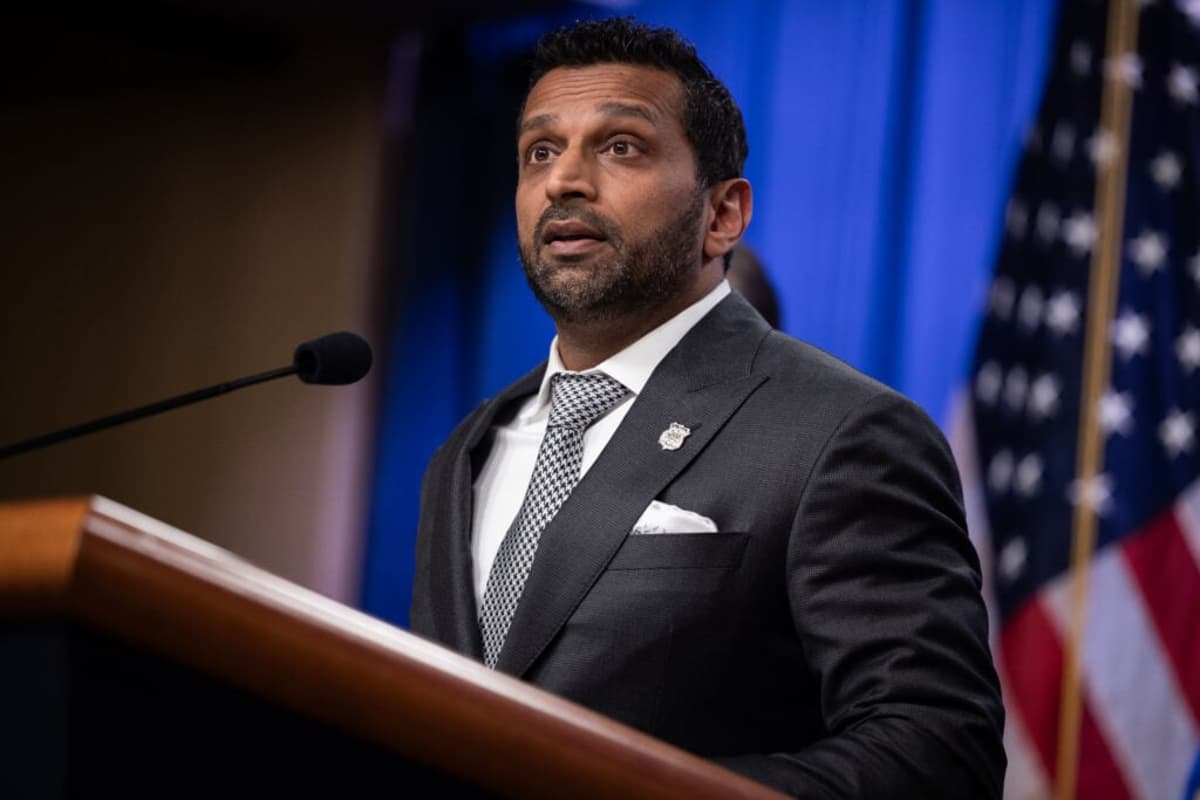
Beyond the courtroom, Patel’s public handling of the lawsuit raised eyebrows. In a press conference with Acting Attorney General Todd Blanche, he contradicted his own filing by denying a routine login problem that the complaint itself acknowledges. This inconsistency, captured on video, fuels speculation that the lawsuit serves as a messaging tool rather than a serious legal claim. For stakeholders in media law and political litigation, the episode highlights the growing trend of using massive lawsuits as leverage in partisan battles, a practice that can strain judicial resources and blur the line between legitimate grievance and strategic posturing.
Kash Patel’s $250 Million Lawsuit Was Going Fine Until He Started Talking About It
Comments
Want to join the conversation?
Loading comments...