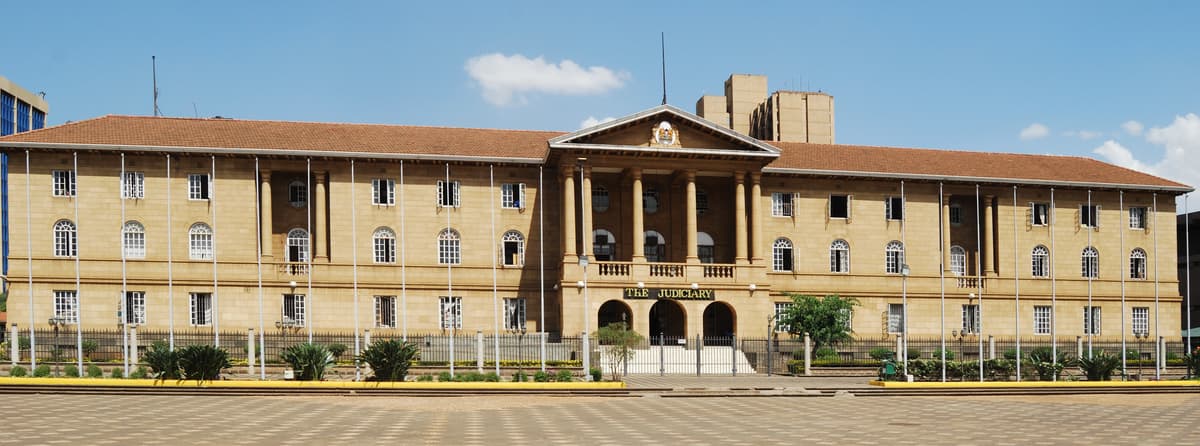
Kenya Dispatch: High Court Suspends US-Backed Ebola Quarantine Facility
Why It Matters
The decision underscores that foreign health‑security assistance cannot bypass Kenya’s constitutional safeguards, shaping future pandemic‑response collaborations. It also highlights the strain on Kenya’s already fragile health system and the political risk of perceived sovereignty erosion.
Key Takeaways
- •High Court halted US-backed Ebola quarantine at Laikipia air base.
- •Katiba Institute petition cited sovereignty, health risks, lack of transparency.
- •Kenyan medical unions warned facility would strain already weak health system.
- •Court order emphasizes constitutional oversight over foreign health agreements.
- •US and Kenya must renegotiate terms before any quarantine can proceed.
Pulse Analysis
The Democratic Republic of Congo’s latest Ebola flare‑up has reignited global calls for rapid containment, prompting the United States to seek a quarantine hub outside its borders. Kenya, with its strategic location and relatively stable infrastructure, emerged as a candidate, leading to a proposed facility at a Laikipia air force base intended for American personnel exposed to the virus. While the arrangement promised swift medical isolation, critics argued that the secrecy surrounding the deal sidestepped Kenya’s parliamentary oversight and risked turning the nation into a de‑facto containment zone for a foreign pathogen.
Domestic backlash quickly coalesced around public‑health and constitutional concerns. The Katiba Institute’s petition highlighted the absence of transparent negotiations, warning that the facility could exacerbate Kenya’s chronic shortages of drugs, equipment, and health workers. The Kenya Medical Practitioners, Pharmacists and Dentists’ Union echoed these fears, warning that diverting resources to a foreign quarantine could undermine care for Kenyan patients already grappling with systemic gaps. Regional bodies such as Africa CDC also cautioned that without adequate resourcing, the added burden could stretch Kenya’s health capacity beyond sustainable limits, jeopardizing both local and regional outbreak responses.
Beyond immediate health logistics, the High Court’s intervention sets a precedent for how sovereign nations manage external aid during crises. By mandating constitutional compliance, the ruling reinforces that even well‑intentioned foreign assistance must respect national legal frameworks and public participation. This outcome may compel the United States and Kenya to renegotiate the agreement with greater transparency, potentially shaping a model for future cross‑border health collaborations that balances rapid response with respect for local governance and public‑health infrastructure.
Kenya dispatch: High Court suspends US-backed Ebola quarantine facility
Comments
Want to join the conversation?
Loading comments...