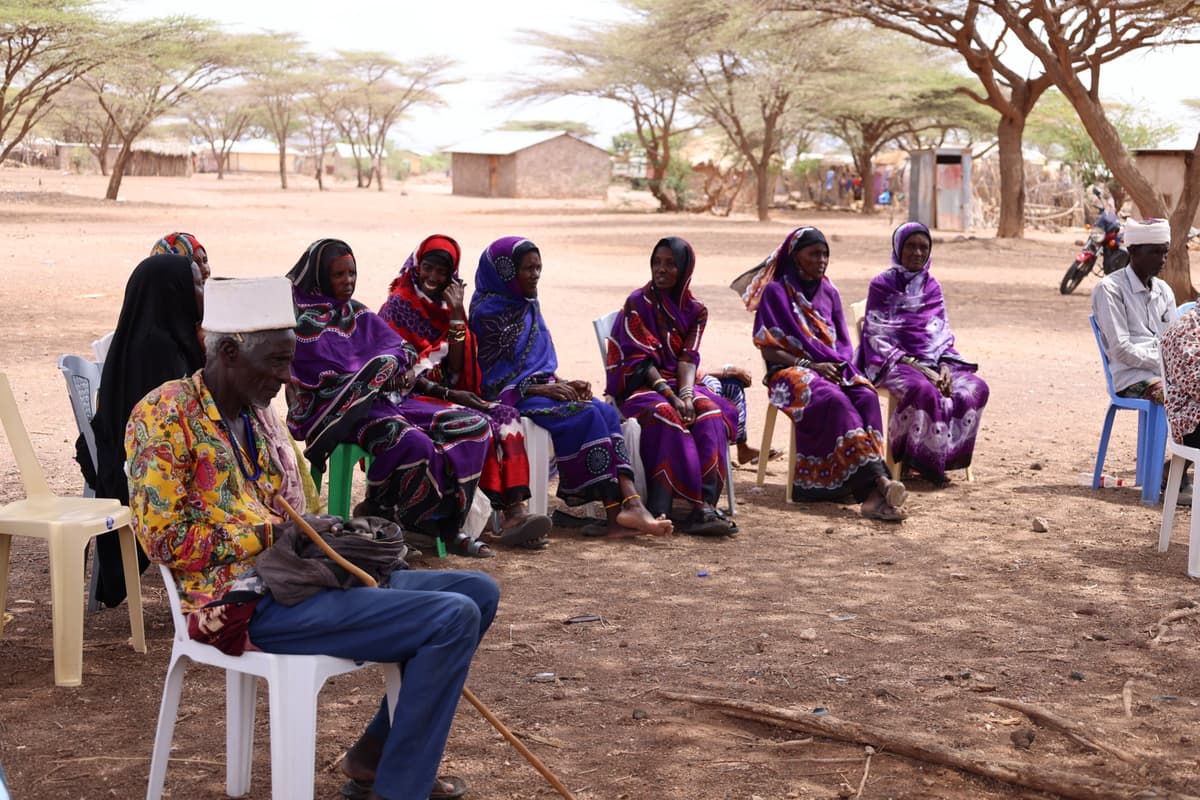
Kenyan Court Allows Landmark BP Toxic Waste Lawsuit to Proceed
Companies Mentioned
Why It Matters
The ruling could set a legal precedent for holding multinational oil firms accountable for historic environmental damage in Africa, prompting stricter oversight and possible compensation for affected communities.
Key Takeaways
- •Kenyan court clears procedural hurdle for BP toxic waste case
- •299 petitioners allege contamination killed 500+ people, livestock
- •Dumped waste contained radium, arsenic, lead, nitrates in unlined pits
- •PARAAN backs case; network spans nine Kenyan counties, three East African nations
- •If upheld, ruling could spark similar claims across northern Kenya
Pulse Analysis
Kenya’s oil‑exploration legacy dates back to the 1980s, when multinational firms like Amoco—later absorbed by BP—pursued reserves in the arid north. At the time, environmental safeguards were minimal, and waste was often disposed of in unlined pits, exposing groundwater to hazardous substances such as radium isotopes, arsenic, lead and nitrates. Decades later, the health toll is evident: contaminated water sources have been linked to over 500 human fatalities and the loss of thousands of livestock, a vital asset for pastoralist communities.
The class‑action, now cleared for a full hearing, marks a rare instance where Kenyan courts permit a multinational corporation to be sued for historic pollution. By meeting the procedural threshold, the court acknowledges the plaintiffs’ standing without yet assigning liability. The involvement of PARAAN—a coalition of 37 civil‑society groups across nine counties and three East African nations—adds weight, positioning the case as a template for other aggrieved communities. Legal experts note that a favorable judgment could compel BP to fund remediation, medical care, and compensation, while also pressuring other extractive firms to reassess legacy sites.
Beyond the immediate parties, the case could reverberate throughout the East African resource sector. Regulators may tighten waste‑management standards, and investors could factor historic environmental risk into due‑diligence calculations. If the court’s decision leads to a substantive award, it may trigger a wave of similar lawsuits in Garissa, Wajir and Isiolo, reshaping the balance between development ambitions and community health. Companies operating in the region will likely need to bolster compliance programs and engage more transparently with local stakeholders to mitigate future litigation exposure.
Kenyan Court allows landmark BP toxic waste lawsuit to proceed
Comments
Want to join the conversation?
Loading comments...