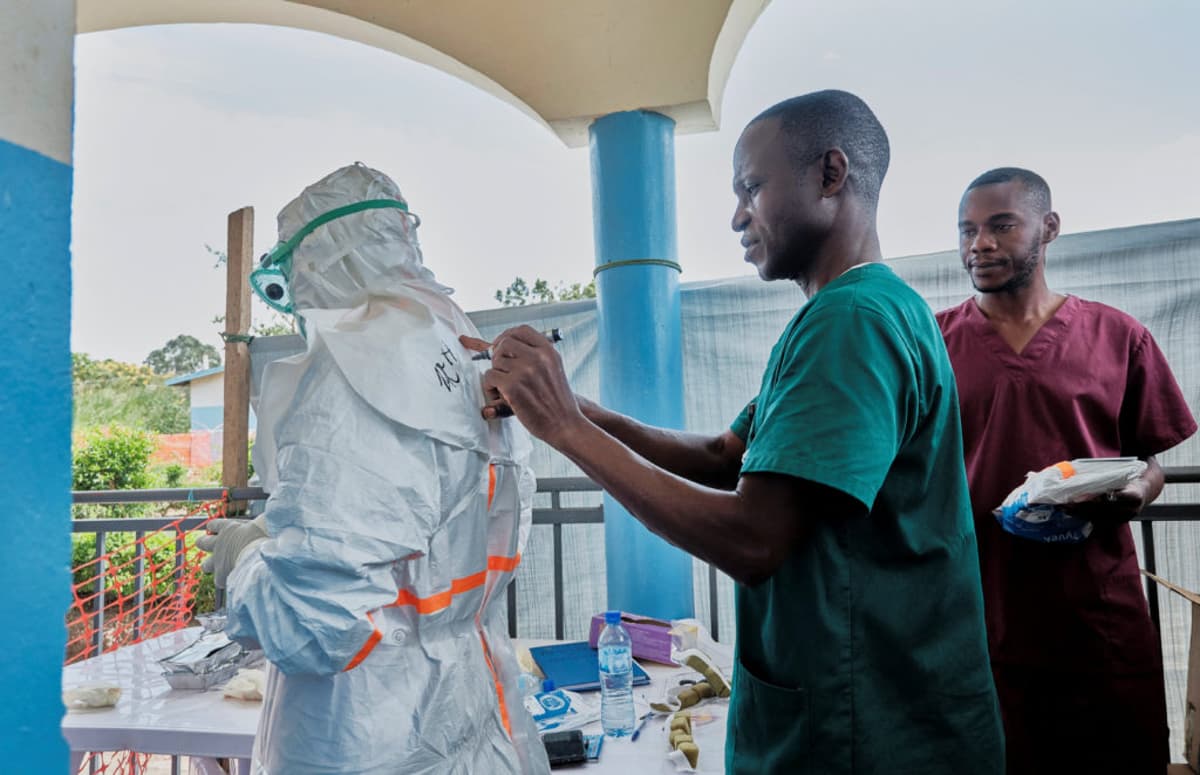
Kenyan Court Blocks U.S. Plan to Open Ebola Quarantine Center to Treat Americans
Why It Matters
The ruling underscores the clash between U.S. pandemic‑response tactics and host‑nation sovereignty, potentially delaying care for exposed Americans while pulling focus from the larger outbreak in the DRC.
Key Takeaways
- •Kenyan court halts US Ebola quarantine plan pending hearing
- •Facility aimed at treating a handful of exposed Americans
- •Experts warn resource shift harms local outbreak response
- •US domestic treatment centers sit idle while abroad plan proceeds
- •Outbreak in DRC threatens regional spread and US import risk
Pulse Analysis
The Ebola crisis in Central Africa has surged past 900 suspected cases and 220 reported deaths, straining fragile health systems in the Democratic Republic of Congo and neighboring nations. International agencies warn that underreporting is likely, meaning the true toll could be far higher. As the virus spreads, travel restrictions and border controls have become focal points for governments seeking to shield their populations, even as the epidemic’s epicenter remains unresolved.
In response, the Trump administration proposed a quarantine and treatment facility in Kenya to house Americans potentially exposed to Ebola. Kenyan officials initially approved the plan, but a groundswell of public opposition prompted a legal challenge that resulted in a temporary court injunction. Critics, including Dr. Craig Spencer—a former Ebola survivor and public‑health professor—argue that the U.S. already maintains high‑level treatment centers at home that sit idle, making the overseas venture an inefficient allocation of limited resources. The legal setback highlights the tension between political pressure to keep the virus out of the United States and the medical reality that ending the outbreak at its source is the most effective safeguard.
The broader implications touch on U.S. global‑health leadership. Recent cuts to CDC, USAID, and the United States’ disengagement from the WHO have constrained the nation’s ability to mount rapid, coordinated responses abroad. By diverting funds and attention to a niche quarantine site, the administration risks eroding trust with host nations and weakening the overall outbreak response. Analysts suggest that restoring robust domestic treatment capacity while channeling resources directly to frontline efforts in the DRC would better protect both regional populations and American travelers, reinforcing a more sustainable, science‑driven public‑health strategy.
Kenyan court blocks U.S. plan to open Ebola quarantine center to treat Americans
Comments
Want to join the conversation?
Loading comments...