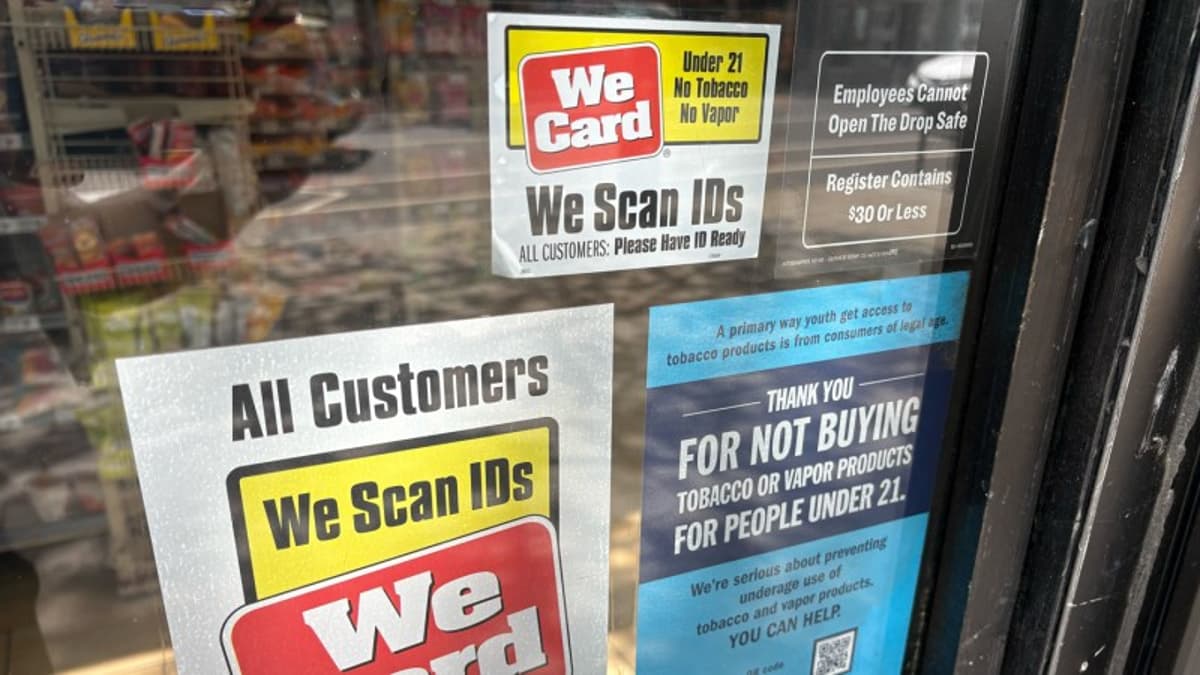
Know the Legal Age to Buy Tobacco Products in the U.S.? Many Parents Don’t
Why It Matters
Parental unawareness can weaken enforcement and diminish the law’s effectiveness in preventing youth nicotine addiction.
Key Takeaways
- •Federal Tobacco‑21 law effective since 2019.
- •Only 47% of parents know the legal age for vapes.
- •82% correctly identify alcohol age limit, showing knowledge gap.
- •Enforcement limited in states without explicit Tobacco‑21 statutes.
- •Studies link Tobacco‑21 to reduced teen smoking and vaping.
Pulse Analysis
The federal Tobacco‑21 amendment, signed into law in December 2019, unified a patchwork of state and local age‑restriction policies that had been emerging since Needham, Massachusetts adopted the first 21‑plus rule in 2005. By setting the purchase floor at 21 for cigarettes, e‑cigarettes, nicotine pouches and related products, policymakers aimed to close the vulnerability window where adolescents transition from experimentation to regular use. Early evidence from Needham and subsequent state‑level studies showed measurable declines in high‑school smoking rates, prompting the nationwide rollout.
The latest Pediatrics study reveals a striking disconnect between legislation and public awareness: only 47 % of surveyed parents correctly named 21 as the legal age for vaping products, and just 48 % did so for cigarettes. In contrast, 82 % accurately identified the same age limit for alcohol, suggesting that tobacco‑specific messaging has lagged behind other substance‑use campaigns. This awareness deficit matters because parents are frontline gatekeepers; when they misjudge the law, they may unintentionally expose teens to retailers that are less vigilant about age verification.
Evidence links Tobacco‑21 policies to reduced nicotine use among 18‑ to 20‑year‑olds and lower vaping prevalence among high‑school seniors, but the law’s impact depends on consistent enforcement and community education. States lacking explicit statutes must still comply with the federal rule, yet without local ordinances, compliance checks are sporadic. Public‑health agencies should therefore amplify family‑focused outreach, leveraging schools, pediatric offices, and digital platforms to clarify the age requirement and its health rationale. Strengthening parental knowledge can reinforce retailer compliance and sustain the downward trend in youth tobacco initiation.
Know the legal age to buy tobacco products in the U.S.? Many parents don’t
Comments
Want to join the conversation?
Loading comments...