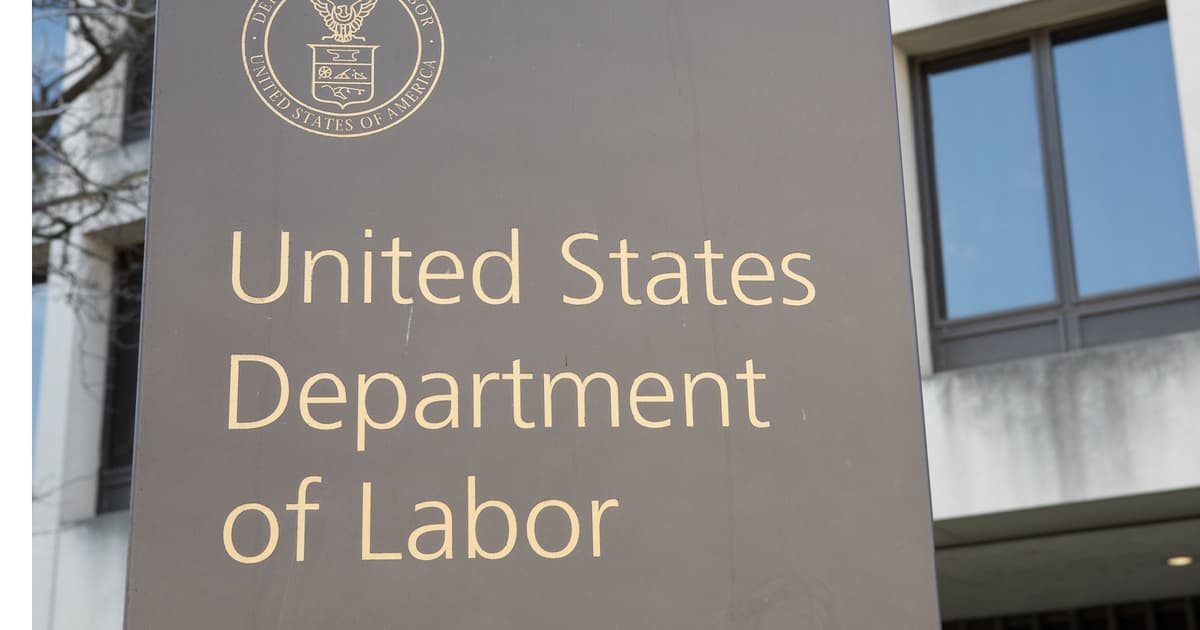
Labor Department Proposes New Joint Employer Rule
Companies Mentioned
Why It Matters
A uniform joint‑employer definition gives franchisors and franchisees clearer liability boundaries, encouraging investment while strengthening worker protections and lowering litigation risk.
Key Takeaways
- •DOL proposes national joint‑employer test for wage‑hour liability.
- •Rule revives 2020 “actual control” standard, rescinded in 2021.
- •Franchising groups welcome clarity, citing job growth and investment confidence.
- •Public comment period ends June 22; litigation like Google case continues.
Pulse Analysis
The Department of Labor’s latest proposal seeks to resolve a patchwork of court rulings that have left franchisors and their franchisees guessing about liability for wage‑hour, overtime and leave obligations. By anchoring joint‑employer status to concrete factors—who hires, fires, schedules, and sets pay—the rule aims to replace the ambiguous “indirect control” tests that have swung back and forth between administrations. This shift reflects a broader regulatory trend toward predictability, allowing businesses to assess risk with a single, nationwide benchmark rather than navigating a mosaic of regional precedents.
For the restaurant franchising sector, the change could be transformative. The International Franchise Association and the National Restaurant Association argue that a clear, “actual control” standard protects the independence of franchise owners while still holding parent companies accountable for genuine oversight. Analysts anticipate that reduced legal uncertainty will spur capital investment in new locations, as franchisees gain confidence that compliance costs will be more manageable. Moreover, clearer rules may lower the incidence of costly labor disputes, freeing resources for growth and job creation across the estimated 832,000 franchised businesses in the United States.
The proposal is not without controversy. Ongoing litigation, such as Google’s appeal concerning its relationship with Accenture Flex, highlights how high‑profile tech firms are also testing the boundaries of joint‑employer definitions. Stakeholders have until June 22 to submit comments, and many legal experts advise companies to conduct internal audits of their control mechanisms now. Aligning employment practices with the proposed test—documenting hiring authority, supervisory structures, and pay‑setting processes—will position firms to adapt quickly should the rule become final, minimizing disruption and reinforcing compliance frameworks.
Labor department proposes new joint employer rule
Comments
Want to join the conversation?
Loading comments...