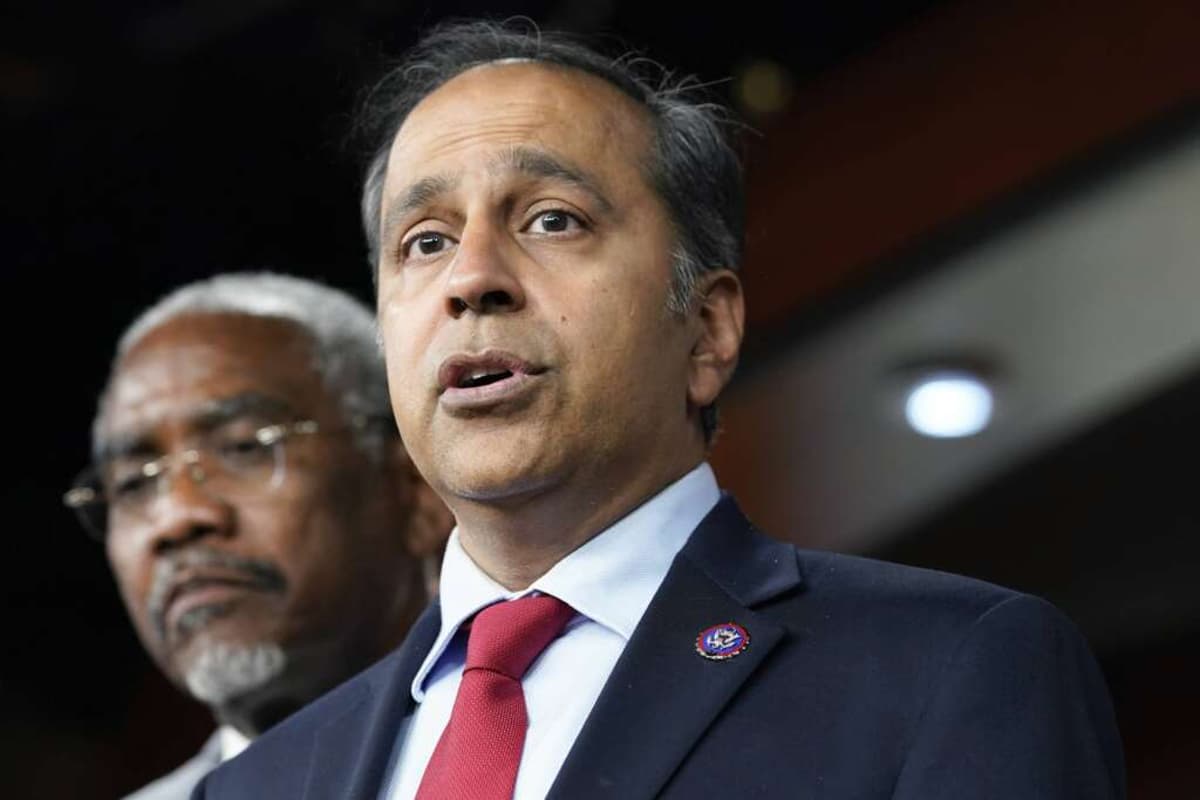
Lawmaker Wants Answers About Proposed NDAs for Feds
Companies Mentioned
Why It Matters
The actions signal heightened congressional and oversight pressure on federal workforce policies, defense spending transparency, and cybersecurity readiness, all of which affect national security and fiscal responsibility.
Key Takeaways
- •Rep. Krishnamoorthi seeks OPM response on federal NDA proposal
- •Operation Epic Fury oversight will review $350 B defense spending plan
- •DoD confirms adversaries buying location data from service members’ phones
- •CISA aims to fill 329 critical cyber roles after 1,000 staff losses
- •GAO reports $11.4 B cost growth and 20% staff cuts in DHS programs
Pulse Analysis
The proposed nondisclosure agreement for federal workers has ignited a constitutional debate, with Rep. Raja Krishnamoorthi warning that mandatory NDAs could suppress First Amendment speech and deter legitimate whistleblowing. By demanding a detailed response from the Office of Personnel Management, the congressman is pushing for greater transparency on how the administration intends to balance national security concerns with employee rights, a tension that could reshape federal HR policy if the NDA is adopted.
At the same time, the Defense Department’s newly formed oversight team, under the banner of Operation Epic Fury, is set to examine the $350 billion defense budget that fuels America’s ongoing conflict with Iran. The group’s quarterly reports will provide an independent lens on military, diplomatic, and development expenditures, while recent revelations that foreign actors have leveraged publicly available location data to track service members underscore urgent cyber‑security gaps. Lawmakers are urging the DoD to disable advertising IDs and strip vulnerable browsers from government devices, highlighting a growing intersection of budgetary scrutiny and counter‑intelligence risk.
Cyber workforce shortages and cost overruns further strain federal operations. CISA’s aggressive hiring push—aiming to staff 329 mission‑critical roles after a loss of roughly 1,000 employees—reflects a broader push to fortify the nation’s cyber defenses. Concurrently, the GAO’s findings of $11.4 billion in added costs and significant staff attrition across DHS acquisition programs raise red flags about fiscal discipline and program execution. Together, these developments illustrate a pivotal moment where oversight, security, and resource allocation converge, compelling policymakers to address systemic vulnerabilities before they erode public trust and national resilience.
Lawmaker wants answers about proposed NDAs for feds
Comments
Want to join the conversation?
Loading comments...