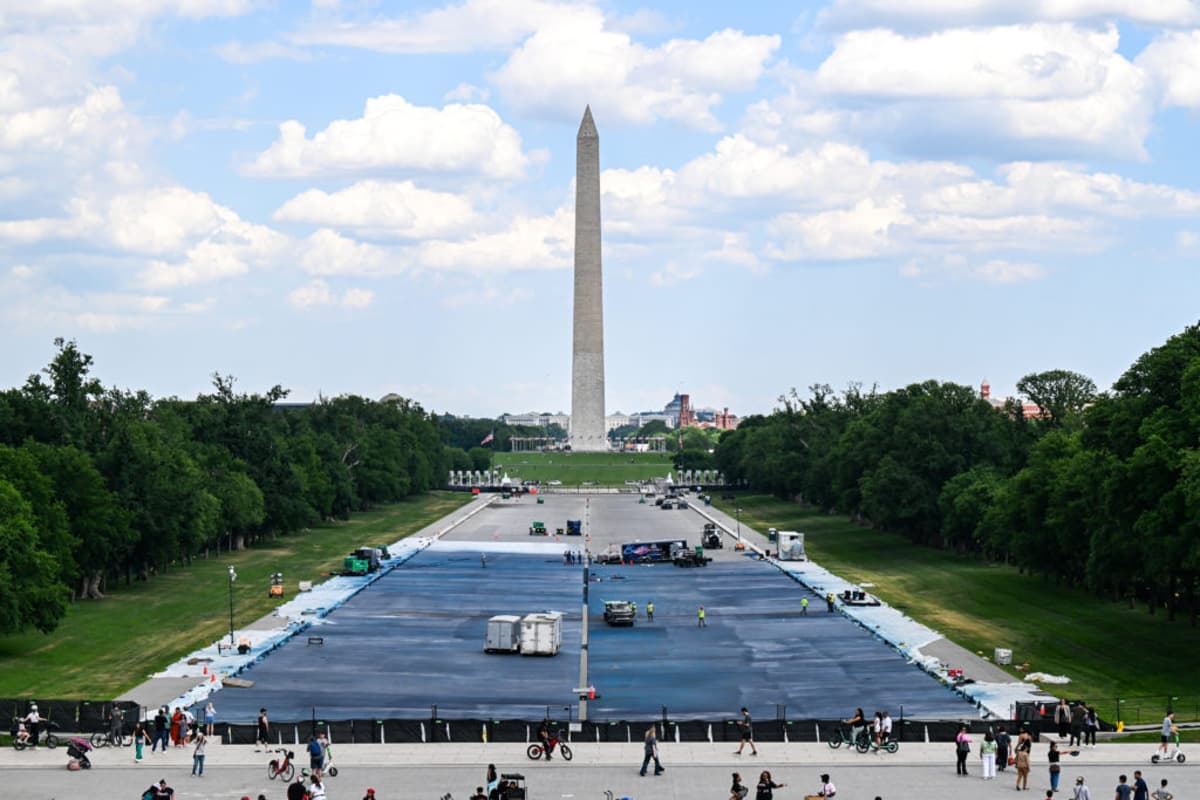
Lawsuit Challenges Trump's Reflecting Pool Project as Projected Costs Soar
Why It Matters
The case spotlights potential misuse of taxpayer dollars and the erosion of historic‑preservation safeguards, setting a precedent that could affect future federal renovations of iconic sites.
Key Takeaways
- •Lawsuit claims repaint violates National Historic Preservation Act
- •Project cost rose to $13.1 million, a 7‑fold increase
- •Contractor has no prior federal contracts, raising quality concerns
- •No‑bid award sidestepped competitive bidding, prompting ethics questions
- •Blue paint could disrupt the Reflecting Pool’s iconic visual context
Pulse Analysis
The Reflecting Pool, a 2,000‑foot water feature completed in the 1920s, has long served as a visual anchor on the National Mall, mirroring the Lincoln Memorial and the surrounding stonework. President Trump’s decision to repaint it "American flag blue" has ignited a preservation debate, especially after the Cultural Landscape Foundation sued, alleging a violation of the National Historic Preservation Act. The lawsuit underscores how even seemingly cosmetic changes can trigger legal scrutiny when they threaten the historic character of a protected site, a principle that guides federal agencies overseeing national monuments and parks.
Beyond aesthetics, the project’s financial trajectory raises red flags. Initial estimates under $2 million have surged to $13.1 million, a 7‑fold escalation, after the administration awarded a no‑bid contract to a contractor lacking prior federal work. Such procurement bypasses the competitive bidding process designed to secure value for taxpayers and ensure qualified expertise. Ethics watchdogs argue that this approach not only inflates costs but also opens the door to cronyism, especially when contracts are funneled to firms with personal ties to the president. The pattern mirrors other recent D.C. renovations, from the Kennedy Center to the White House ballroom, where similar contracting shortcuts have drawn criticism.
The broader implication for preservation policy is significant. If courts uphold the lawsuit, it could reinforce the authority of historic‑preservation statutes, compelling future administrations to conduct thorough reviews before altering iconic landmarks. Conversely, a dismissal might embolden agencies to prioritize expedient, politically driven projects over established preservation protocols. For stakeholders—taxpayers, preservationists, and contractors alike—the outcome will shape how federal funds are allocated for cultural heritage projects and whether historic integrity remains a non‑negotiable standard in Washington’s evolving landscape.
Lawsuit challenges Trump's Reflecting Pool project as projected costs soar
Comments
Want to join the conversation?
Loading comments...