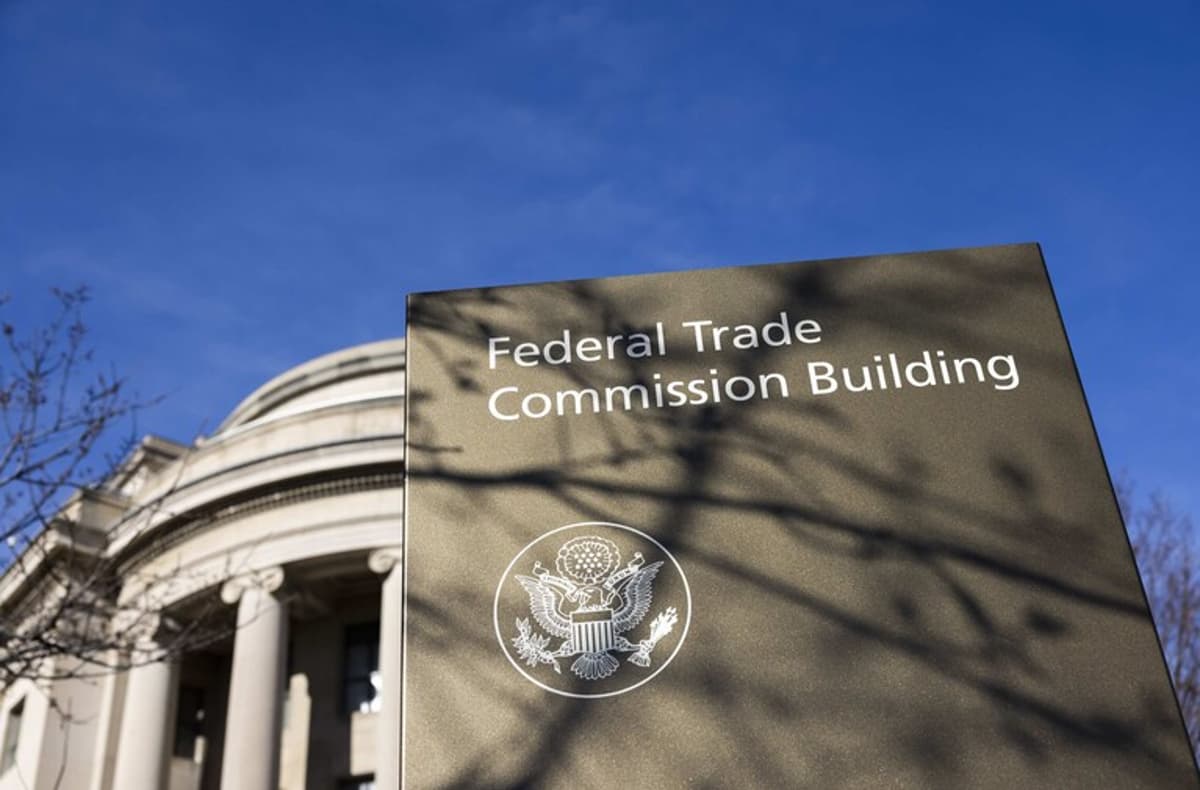
Litigation Trends to Watch: FTC Unleashes Wave of Consumer and Antitrust Actions. Plus, Pacific Trial Attorneys Advocates for Consumers in Los Angeles
Companies Mentioned
Why It Matters
The FTC’s joint‑employer rule could reshape liability for millions of workers and increase compliance costs, while the other high‑profile litigation moves underscore a tightening regulatory and legal environment for corporations across sectors.
Key Takeaways
- •FTC proposes joint‑employer rule amid surge in staffing‑related lawsuits
- •Palantir ties CLO’s $28 M compensation to 2033 retention clause
- •Lender secures $2.26 M judgment in electric‑vehicle financing dispute
- •Davis Polk adds former Paul Weiss co‑chair to launch Supreme Court group
- •States face steep hurdles suing ICE agents for constitutional violations
Pulse Analysis
The Federal Trade Commission’s draft rule on joint‑employer status arrives at a time when the agency is intensifying its consumer‑protection and antitrust agenda. By defining when a parent company shares liability with staffing firms, franchises, or outsourced providers, the FTC aims to close gaps that have allowed businesses to sidestep wage and benefit obligations. Companies will likely need to revisit contracts, audit supply‑chain relationships, and invest in compliance programs to mitigate the risk of costly litigation and potential fines.
Parallel developments illustrate how litigation risk is permeating diverse industries. Palantir’s decision to bind its chief legal officer’s $28 million payout to a 2033 retention clause reflects a broader trend of tying executive compensation to long‑term performance and stability, a move that may become a benchmark for tech firms seeking to retain top talent amid market volatility. Meanwhile, a lender’s $2.26 million award in a financing dispute involving electric‑vehicle and golf‑cart manufacturers signals that courts remain willing to enforce contractual obligations and penalize parties that stray from agreed financing terms.
Law firms are also reshaping to meet the surge in high‑stakes cases. Davis Polk’s recruitment of a former litigation co‑chair to launch a Supreme Court and appellate group underscores the growing demand for specialized appellate expertise as regulatory actions climb. At the same time, states attempting to hold ICE agents accountable for constitutional breaches confront formidable legal barriers, highlighting the complex interplay between federal immunity doctrines and emerging civil‑rights litigation. Together, these trends suggest that corporations, investors, and legal counsel must stay vigilant as the litigation landscape becomes increasingly aggressive and multifaceted.
Litigation Trends to Watch: FTC Unleashes Wave of Consumer and Antitrust Actions. Plus, Pacific Trial Attorneys Advocates for Consumers in Los Angeles
Comments
Want to join the conversation?
Loading comments...