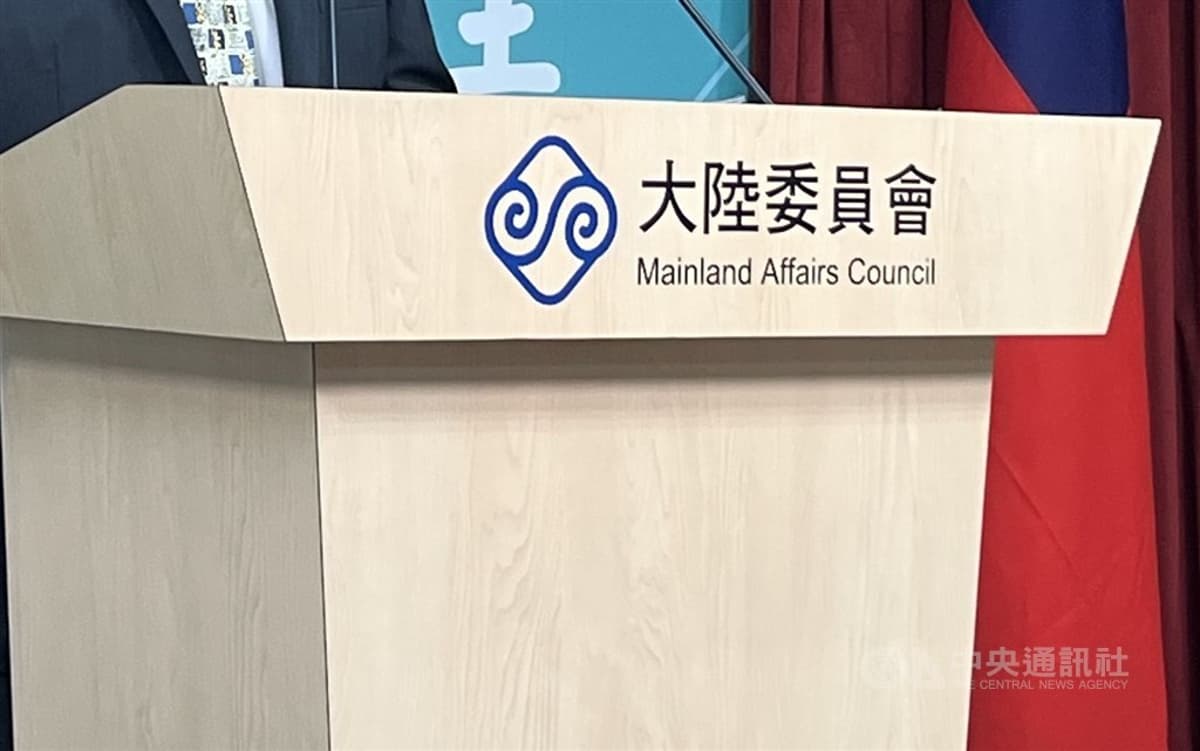
MAC Condemns Retired Officer's China Trip, Backs Legal Changes
Why It Matters
The incident highlights Taiwan’s vulnerability to united‑front influence and pushes lawmakers toward stricter legal safeguards for retired officials, reinforcing national security and democratic resilience.
Key Takeaways
- •Lu attended a Chinese navy anniversary event in Qingdao, praising cross‑strait unity
- •MAC calls his remarks a breach of Taiwan’s democratic safeguards
- •Proposed law would add penalties for retired military engaging in propaganda
- •Veterans Affairs Council brands Lu’s conduct a betrayal of public trust
- •Amendments aim to curb united‑front influence on Taiwan’s former officers
Pulse Analysis
Taiwan’s Mainland Affairs Council’s swift condemnation of retired naval officer Lu Li‑shih underscores the island’s heightened sensitivity to mainland‑sponsored influence operations. Lu’s participation in a Chinese naval anniversary—touring a guided‑missile destroyer and a frigate—provided a high‑visibility platform for pro‑Beijing rhetoric, including the claim that "people on both sides of the Strait are one family." Such statements, delivered by a former uniformed official, risk legitimizing Beijing’s narrative of inevitable reunification and challenge Taiwan’s democratic identity.
In response, MAC is backing amendments to the Act Governing Relations between the People of the Taiwan Area and the Mainland Area, a cornerstone legal framework governing cross‑strait interactions. The proposed changes would introduce explicit penalties for retired military personnel who engage in united‑front propaganda or other conduct deemed hostile to national security. This move follows earlier cases where former officials faced scrutiny for similar activities, signaling a shift toward pre‑emptive legal deterrence rather than reactive disciplinary measures.
The broader implication for Taiwan’s security apparatus is significant. By targeting retired officers, the government aims to close a loophole that adversaries have historically exploited to project influence without breaching active‑service regulations. The Veterans Affairs Council’s parallel condemnation reinforces a unified stance across civilian and military institutions, sending a clear message that loyalty obligations persist beyond active duty. If enacted, the amendments could serve as a model for other democracies confronting covert influence campaigns, while also prompting debate over freedom of expression versus national security imperatives in Taiwan’s vibrant political landscape.
MAC condemns retired officer's China trip, backs legal changes
Comments
Want to join the conversation?
Loading comments...