Why It Matters
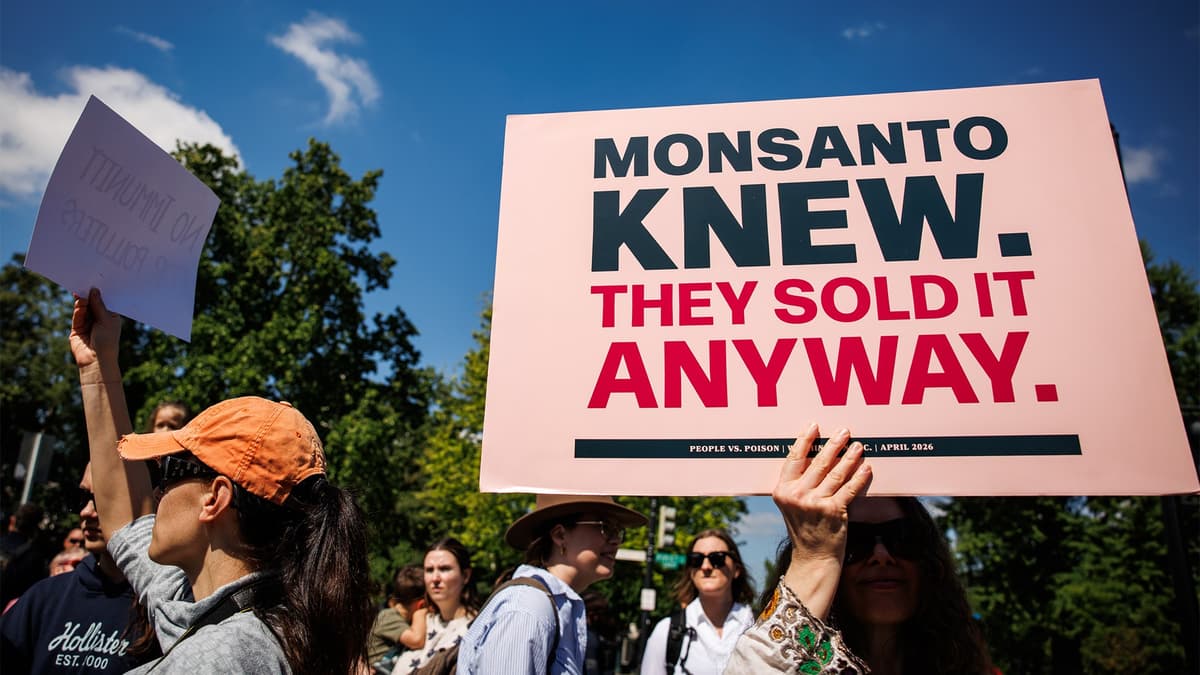
The case could set a national precedent on corporate liability for alleged carcinogenic products, while the rally signals growing political pressure on regulators and lawmakers to address glyphosate safety.
Key Takeaways
- •Supreme Court heard Monsanto v Durnell on Roundup liability.
- •MAHA rally featured bipartisan speakers, uniting anti‑glyphosate moms.
- •Trump’s executive order aims to expand domestic glyphosate production.
- •House Farm Bill may limit pesticide manufacturers’ legal liability.
- •Rally attendance fell short of organizers’ 1,000‑person target.
Pulse Analysis
The Supreme Court’s hearing of Monsanto v. Durnell marks a pivotal moment in the long‑running battle over Roundup’s alleged cancer link. Bayer argues that federal pesticide regulations and EPA approval shield it from state‑level lawsuits, but plaintiffs contend the company failed to warn users about glyphosate’s risks. A decision in favor of Bayer could reinforce corporate immunity, while a ruling against it may open the floodgates for thousands of similar claims, reshaping liability standards for agro‑chemical firms.
Beyond the courtroom, the MAHA (Moms Against Harmful Additives) coalition turned the legal drama into a political rally, drawing speakers from both sides of the aisle. Influencers like Del Bigtree, Alex Clark, and Senator Cory Booker used the platform to frame glyphosate regulation as a "right or wrong" issue rather than a partisan one. The gathering coincided with President Trump’s executive order to increase domestic glyphosate output and a forthcoming Farm Bill that could further limit manufacturers’ legal exposure, suggesting that activist pressure is influencing legislative agendas ahead of the 2026 midterms.
The convergence of legal, regulatory, and electoral forces underscores a broader shift in U.S. agricultural policy. Consumer‑driven groups such as MAHA are leveraging courtroom outcomes to demand stricter safety standards, while lawmakers balance industry interests with growing public health concerns. As the Farm Bill debates intensify, the outcome of the Supreme Court case will likely serve as a benchmark for future pesticide litigation, potentially redefining the balance between agricultural innovation and consumer protection.
MAHA’s Perfect Villain
Comments
Want to join the conversation?
Loading comments...