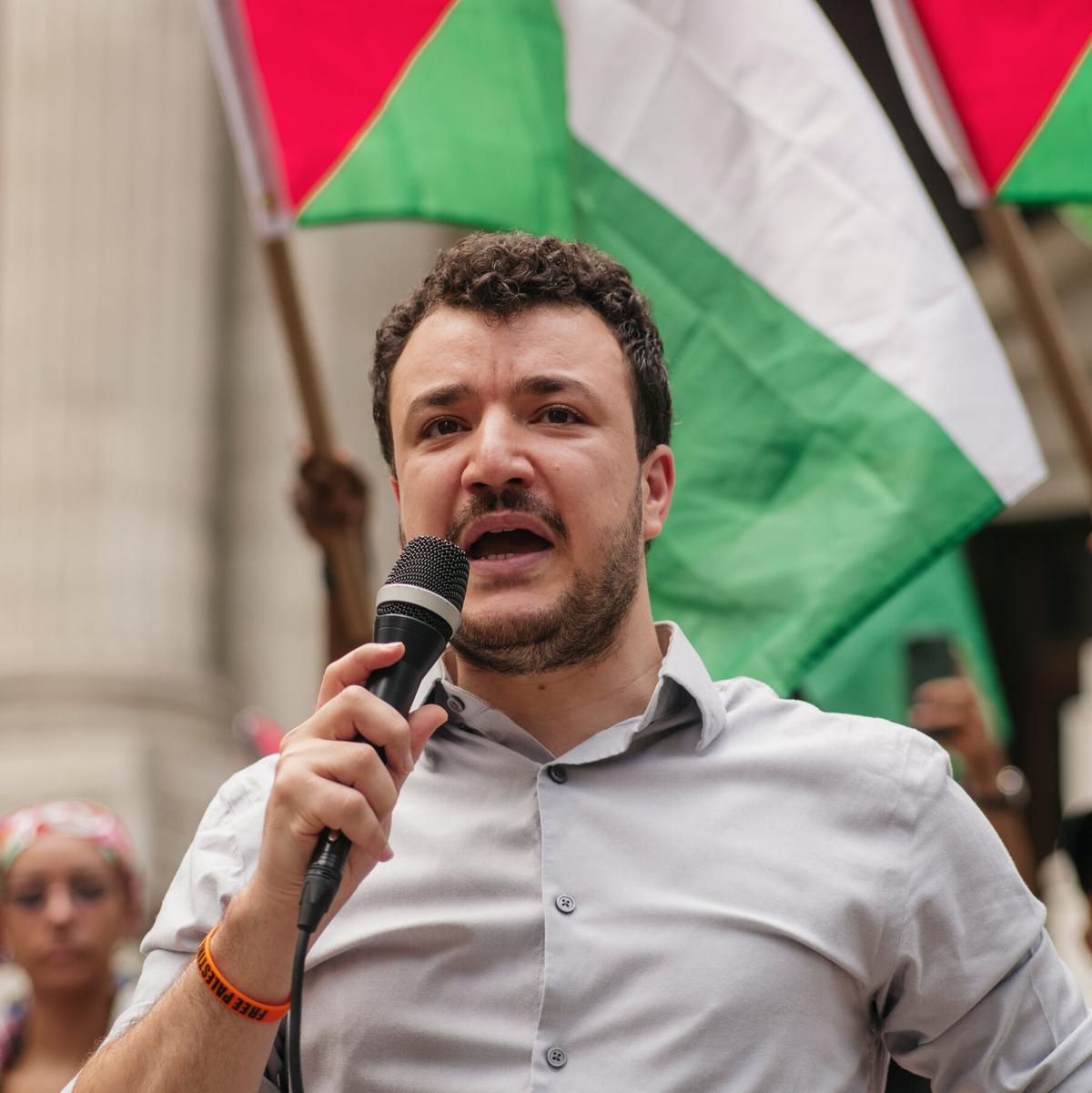
Mahmoud Khalil to Appeal to Supreme Court in Effort to Halt Deportation
Why It Matters
The outcome will shape how immigration courts handle First Amendment challenges and set a precedent for future deportation cases involving political speech. It also signals the administration’s stance on prosecuting pro‑Palestinian activists.
Key Takeaways
- •Third Circuit declined to review jurisdiction, prompting Supreme Court appeal
- •Khalil’s case hinges on First Amendment rights vs. immigration authority
- •Six‑judge majority split 6‑5, highlighting judicial division
- •Potential deportation could set precedent for activist‑related removals
Pulse Analysis
The Khalil saga began amid the Trump administration’s aggressive crackdown on pro‑Palestinian activism on college campuses, turning a Columbia University graduate into a symbolic figure for free‑speech advocates. His arrest in March 2025 and subsequent immigration proceedings have been fast‑tracked through executive‑controlled courts, raising concerns about due process and the politicization of immigration law. As the nation watches, the case underscores how immigration enforcement can intersect with contentious political speech, especially when the government frames dissent as a national‑security threat.
At the heart of the legal battle is a jurisdictional dispute: whether a federal district court can adjudicate Khalil’s First Amendment claims or whether those issues belong exclusively to the immigration court. The Third Circuit’s refusal to revisit its earlier decision effectively leaves the door open for deportation, prompting Khalil’s counsel to seek relief from the Supreme Court. If the high court grants certiorari, it will confront a rare question of constitutional rights for a legal permanent resident facing removal, potentially reshaping the procedural landscape for similar cases.
Beyond Khalil’s personal fate, the case could reverberate across the immigration system. A ruling that affirms the ability of courts to hear constitutional challenges in deportation contexts would empower non‑citizens to contest government actions that impinge on free speech. Conversely, a decision that defers to immigration courts may embolden the administration to pursue expedited removals of activists, signaling a tougher stance on dissent. Stakeholders—from civil‑rights groups to policymakers—are closely monitoring the proceedings, aware that the precedent set here could influence the balance between national security priorities and fundamental liberties for years to come.
Mahmoud Khalil to Appeal to Supreme Court in Effort to Halt Deportation
Comments
Want to join the conversation?
Loading comments...