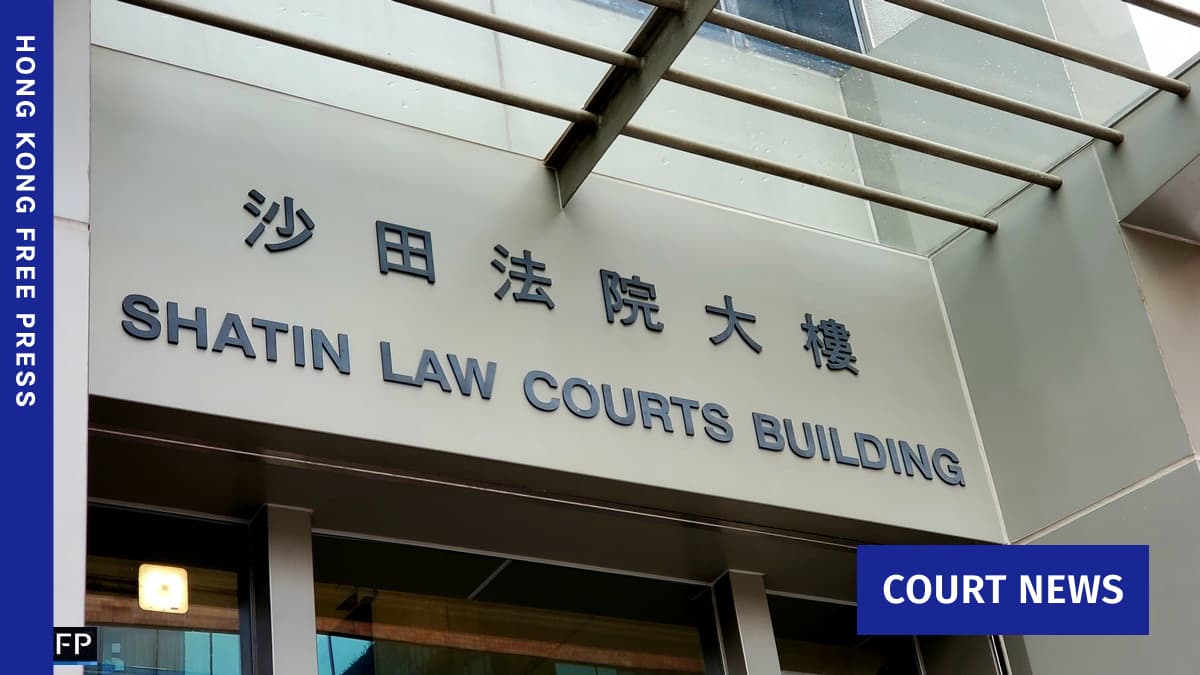
Mainland Chinese Woman Acquitted of Fraud over Using Fake Degree for Hong Kong’s Top Talent Visa
Why It Matters
The acquittal underscores vulnerabilities in Hong Kong’s talent‑attraction program, where reliance on agents can jeopardize immigration integrity and public trust. It signals to policymakers the need for tighter oversight of visa‑application intermediaries.
Key Takeaways
- •Xu Lina acquitted; magistrate cited possible agent fraud.
- •Agent Sun allegedly filed higher‑fee Category B visa without her knowledge.
- •Couple met Category A income threshold, buying Shenzhen home for HK$5.4M (~$690k).
- •TTPS has approved over 120,000 visas, majority mainland Chinese.
- •Hong Kong’s talent scheme faces scrutiny over agent misconduct.
Pulse Analysis
Hong Kong’s Top Talent Pass Scheme, launched in December 2022, aims to lure high‑earning professionals and graduates from elite universities amid a wave of emigration. By lowering the income bar to HK$2.5 million (≈ $320,000) and recognizing 199 "top" universities, the program quickly became a cornerstone of the city’s work‑visa portfolio, with more than 120,000 approvals by the end of 2025, the majority of which are mainland Chinese applicants. This rapid growth reflects Hong Kong’s strategic pivot toward talent‑driven economic resilience.
The recent acquittal of Xu Lina brings the scheme’s reliance on third‑party agents into sharp focus. Prosecutors alleged Xu used a counterfeit degree to secure a Category B visa, a higher‑fee tier that also demands a university credential. However, the magistrate accepted that her mainland agent, identified only as Sun, may have filed the application without her knowledge, charging her roughly HK$520,000 (about $66,500). While Xu and her husband satisfied the income threshold—evidenced by a HK$5.4 million (≈ $690,000) property purchase in Shenzhen—the case reveals gaps in applicant verification and the potential for exploitation by unscrupulous facilitators.
For businesses and investors, the episode signals a need for stricter due‑diligence when hiring immigration consultants and for the Hong Kong government to tighten oversight mechanisms. Enhancing digital authentication of credentials and mandating transparent fee structures could curb fraud while preserving the TTPS’s appeal. As the city competes with regional hubs for talent, maintaining the credibility of its visa programmes will be essential to sustaining long‑term economic growth and attracting the skilled workforce it seeks.
Mainland Chinese woman acquitted of fraud over using fake degree for Hong Kong’s Top Talent visa
Comments
Want to join the conversation?
Loading comments...