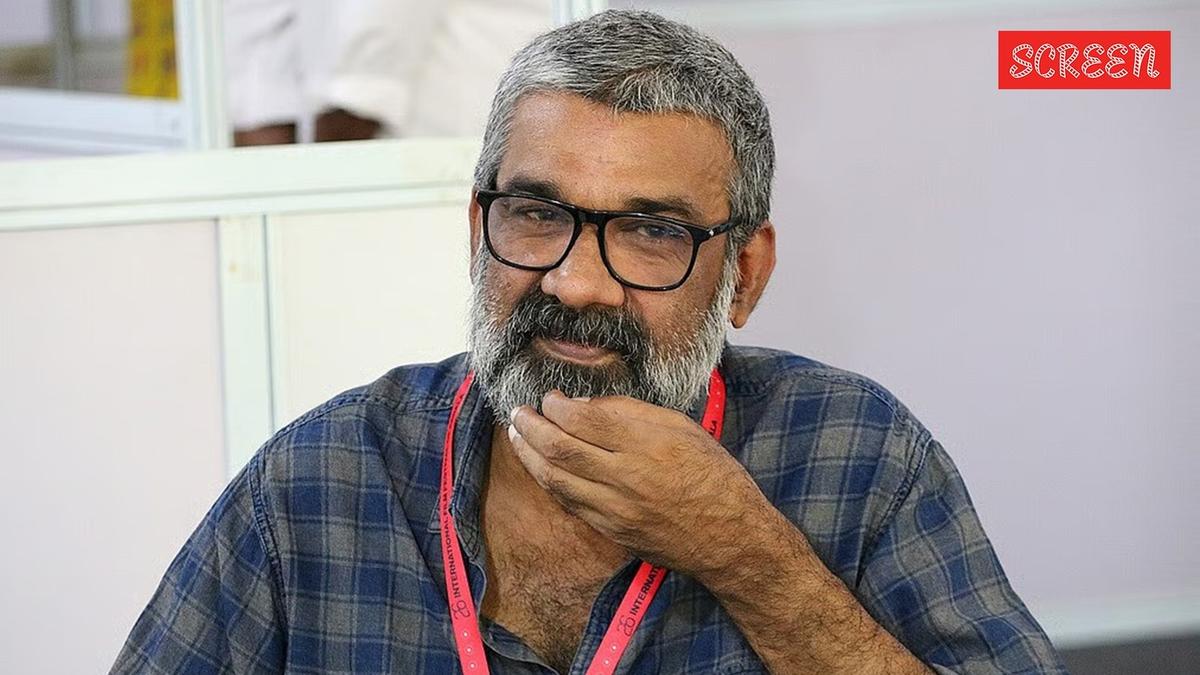
Malayalam Director Ranjith Granted Bail in Sexual Harassment Case
Why It Matters
The case underscores heightened legal scrutiny of Indian film industry figures and could disrupt production schedules, signaling broader accountability pressures in entertainment.
Key Takeaways
- •Ranjith granted bail with Rs 1 lakh bond (~$1,200).
- •Must surrender passport, stay in Ernakulam, avoid Fort Kochi site.
- •Required to report to police every Monday for three months.
- •Bail granted despite prosecution’s opposition, citing health condition.
- •Case stems from actress allegation of harassment during Fort Kochi shoot.
Pulse Analysis
The Ernakulam magistrate court on April 10 granted bail to veteran Malayalam filmmaker Ranjith, who had been detained after an actress accused him of sexual harassment during a Fort Kochi shoot. The bail order requires Ranjith to surrender his passport, remain within Ernakulam district, avoid the crime scene, and post a bond of Rs 1 lakh—roughly $1,200—and two sureties of equal value. He must also appear before the investigating officer every Monday for the next three months until a charge sheet is filed. Prosecutors had objected, arguing that Ranjith had not cooperated with investigators, but the magistrate cited his medical issues as a mitigating factor.
The bail decision arrives amid a wave of harassment claims that have shaken Indian cinema in recent years, echoing the global #MeToo movement. For Malayalam producers, the allegation threatens to stall ongoing projects, as locations and crew schedules may need to be re‑arranged if key talent is unavailable. Moreover, the court’s willingness to impose strict monitoring conditions signals a growing judicial appetite for accountability, prompting studios to reassess on‑set safety protocols and employee grievance mechanisms. Delays can increase production costs by up to 15 percent, pressuring investors to demand stricter compliance clauses.
Legal experts note that Ranjith’s health‑related bail argument, while persuasive, does not set a blanket precedent for future cases involving high‑profile artists. Nonetheless, the requirement for regular police check‑ins may become a template for similar offenses, balancing personal liberty with investigative needs. As the investigation proceeds, the industry will watch closely for any indictment that could reshape power dynamics behind the camera, reinforcing the message that creative influence does not exempt individuals from criminal scrutiny. Legislators are also considering amendments to the Indian Penal Code to streamline reporting mechanisms for entertainment‑sector offenses.
Malayalam director Ranjith granted bail in sexual harassment case
Comments
Want to join the conversation?
Loading comments...