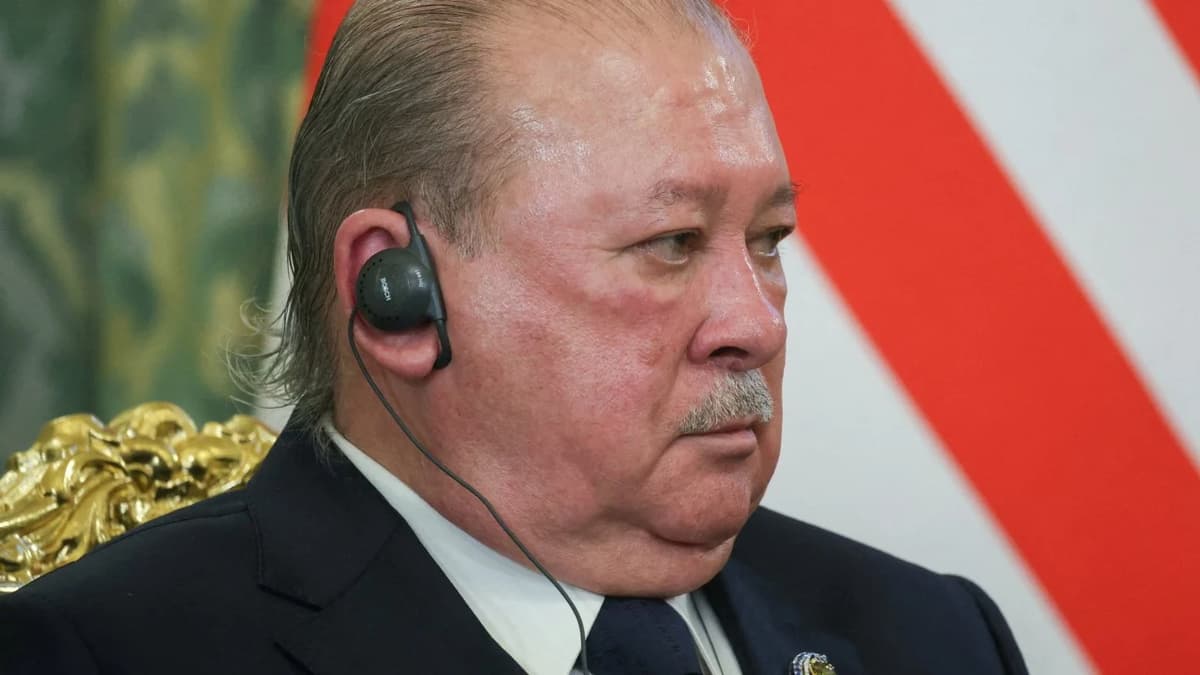
Malaysia Demands TikTok Explain Failure to Block Fake Account Using AI to Insult King

Why It Matters
The demand forces TikTok to upgrade content controls in a market where royal defamation is a criminal offense, highlighting the regulatory risk for global platforms handling AI‑driven misinformation. It also signals tighter oversight for all licensed social media services in Malaysia’s sensitive 3R environment.
Key Takeaways
- •MCMC issued statutory demand demanding TikTok explain moderation lapse
- •AI‑generated posts falsely claimed king ate pork, violating Section 233
- •TikTok removed the fake account but must strengthen content filters
- •Malaysia’s 3R law crackdown forces platforms to hold local licences
- •Case underscores tension between free speech and royal protection in Malaysia
Pulse Analysis
Malaysia’s Communications and Multimedia Commission (MCMC) has escalated its enforcement of the country’s 3R (race, religion, royalty) safeguards by issuing a statutory demand to TikTok over an AI‑generated account that defamed Sultan Ibrahim Iskandar. The fake profile posted fabricated claims that the king ate pork—a grave offense under Islamic law—and superimposed his face onto animal bodies, actions that could breach Section 233 of the Communications and Multimedia Act 1998. By demanding an immediate explanation and tighter moderation, the regulator signals that digital platforms can no longer rely on delayed responses when content threatens public order or constitutional institutions. The incident highlights a growing global challenge: artificial‑intelligence tools can mass‑produce convincing deepfakes that spread misinformation faster than traditional moderation systems can flag them.
TikTok’s removal of the offending account demonstrates reactive compliance, yet the MCMC’s demand for proactive safeguards underscores a shift toward pre‑emptive content controls. Since January 2022, Malaysian authorities have compelled platforms with over eight million local users to obtain licences, granting the regulator broader oversight. Companies operating in the region must now invest in AI‑driven detection, local legal teams, and rapid response protocols to avoid costly penalties.
Beyond Malaysia, the case reverberates across Southeast Asia, where governments are tightening digital speech rules while balancing international expectations for free expression. For multinational brands, the lesson is clear: compliance frameworks must be adaptable to jurisdiction‑specific sensitivities, especially around royalty and religious symbols. Failure to act swiftly can damage reputation and invite regulatory action. As AI‑generated content proliferates, regulators worldwide are likely to adopt similar statutory demands, making robust, culturally aware moderation a competitive advantage for any platform seeking sustainable growth in emerging markets.
Malaysia demands TikTok explain failure to block fake account using AI to insult king
Comments
Want to join the conversation?
Loading comments...