Why It Matters
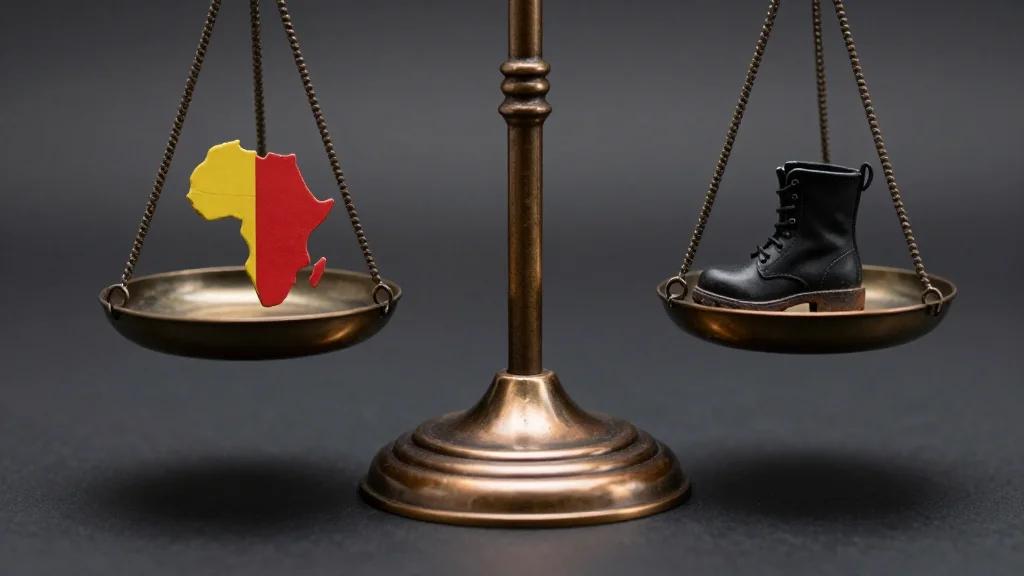
The case tests whether African human‑rights mechanisms can hold governments accountable for abuses committed by hired private forces, setting a legal benchmark for the continent.
Key Takeaways
- •Civil groups filed first African Court case against a state hiring PMCs
- •The case alleges Wagner killed over 500 civilians in Mali in 2022
- •Hearing set for June 1, 2026 during the court’s 81st ordinary session
- •Potential precedent to hold states liable for private‑military human rights abuses
- •Mali’s ECOWAS exit leaves regional court as one of few accountability avenues
Pulse Analysis
Since 2021 the Wagner Group, rebranded as Africa Corps, has operated alongside Mali’s armed forces in the Sahel’s counter‑terrorism campaigns. While the partnership was initially justified as a rapid response to jihadist insurgencies, reports from the Berkeley Human Rights Center and INPACT detail systematic atrocities in 2022, including the Hombori and Moura massacres that left more than 500 civilians dead, dozens tortured, and many disappeared. The mercenaries’ tactics—heavy weaponry, indiscriminate raids, and opaque command structures—have blurred the line between state and private violence, complicating any domestic investigation.
In response, three civil‑society organisations—Palu, TRIAL International and the International Federation for Human Rights—brought the first African Court case alleging a state’s liability for hiring private military and security actors. The filing seeks a ruling that Mali failed to prevent, investigate, and remedy the alleged crimes, and that the African Charter’s protections extend to abuses involving transnational forces. Scheduled for the court’s 81st ordinary session on June 1, 2026, the case could establish a binding precedent that African states must uphold human‑rights obligations even when delegating lethal power to foreign contractors.
If the court affirms state responsibility, the decision would reverberate across West Africa, where several governments have turned to private security firms amid waning public‑sector capacity. It would also provide a legal pathway for victims in contexts where domestic courts are stalled, as seen after Mali’s withdrawal from ECOWAS. Moreover, the ruling could pressure other regimes to reconsider PMC contracts, prompting stricter oversight and potentially curbing the spread of opaque mercenary networks throughout the continent.
Mali faces African Court case over Wagner killings
Comments
Want to join the conversation?
Loading comments...