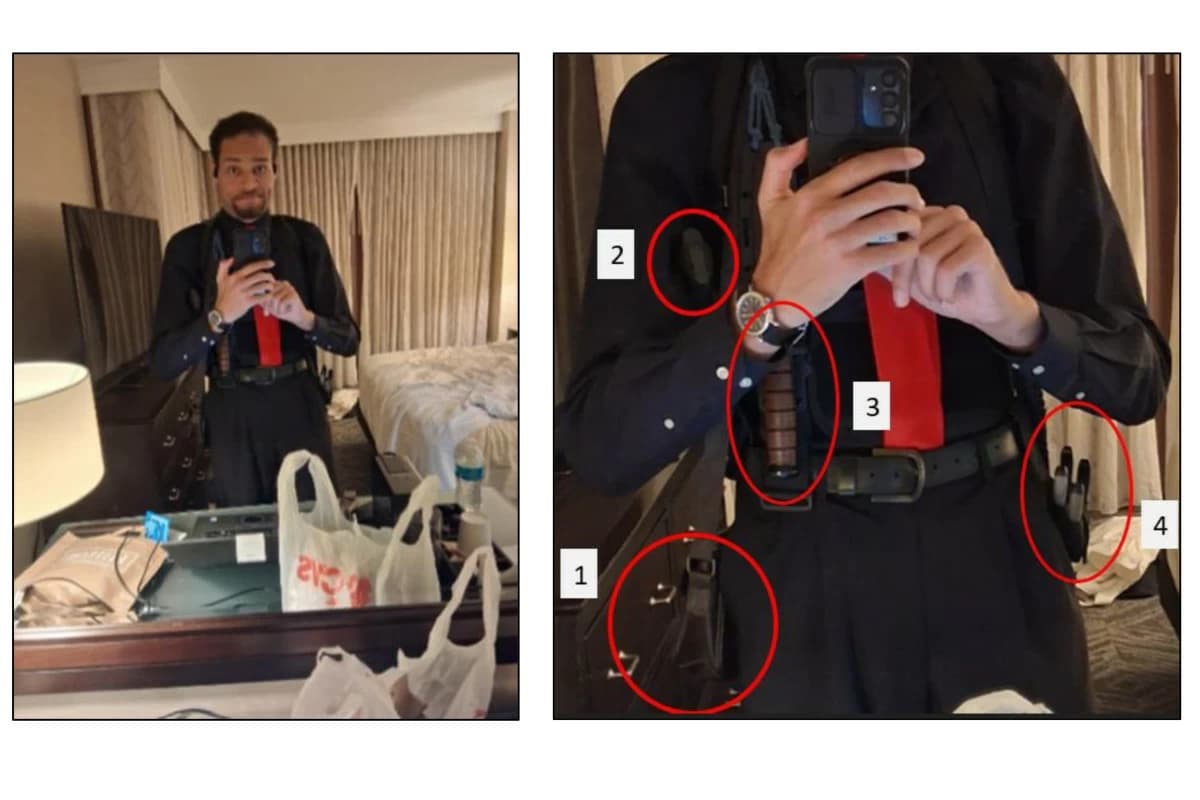
Man Charged with Trying to Kill Trump Took Hotel Room Selfie Before Rushing Gala, Investigators Say
Companies Mentioned
Why It Matters
The incident underscores vulnerabilities in high‑profile event security and raises questions about how lone‑wolf threats are monitored. It also highlights procedural challenges in ensuring defendants’ rights while protecting national leaders.
Key Takeaways
- •Allen took a selfie in his hotel room before the attempted attack
- •He entered the Washington Hilton with a shotgun, holster, and knife
- •Secret Service agents returned fire, injuring an officer in a bullet‑proof vest
- •Prosecutors seek to keep Allen detained pending trial on attempted assassination charges
- •Defense argues limited access to counsel violates his rights
Pulse Analysis
The Washington Hilton attack illustrates how even tightly guarded events can be penetrated by a determined individual. Allen’s pre‑attack selfie, captured moments before he attempted to storm the ballroom, shows a level of premeditation that security teams must now factor into threat assessments. The incident forced a rapid response from Secret Service agents, whose return fire neutralized the immediate danger but also highlighted the thin margin for error when protecting a sitting president in a crowded, high‑visibility setting.
Legally, Allen faces a rare charge of attempted assassination of the president, a federal offense that carries severe penalties. Prosecutors argue that his online monitoring of Trump’s movements and the pre‑planned reservation of a hotel room demonstrate a sustained intent, justifying continued detention without bail. The defense, however, is contesting the conditions of his confinement, claiming that restricted lawyer access violates constitutional rights. This clash will test the balance between national security imperatives and due‑process protections, potentially setting precedent for future high‑profile terrorism cases.
Beyond the courtroom, the episode fuels ongoing debates about political polarization and the security of public figures. It serves as a reminder that extremist actors can emerge from any background, prompting agencies to reassess surveillance tactics and inter‑agency coordination. For businesses and investors, heightened security concerns may translate into increased spending on protective technologies and consulting services, while policymakers grapple with legislation aimed at deterring similar threats without eroding civil liberties.
Man charged with trying to kill Trump took hotel room selfie before rushing gala, investigators say
Comments
Want to join the conversation?
Loading comments...