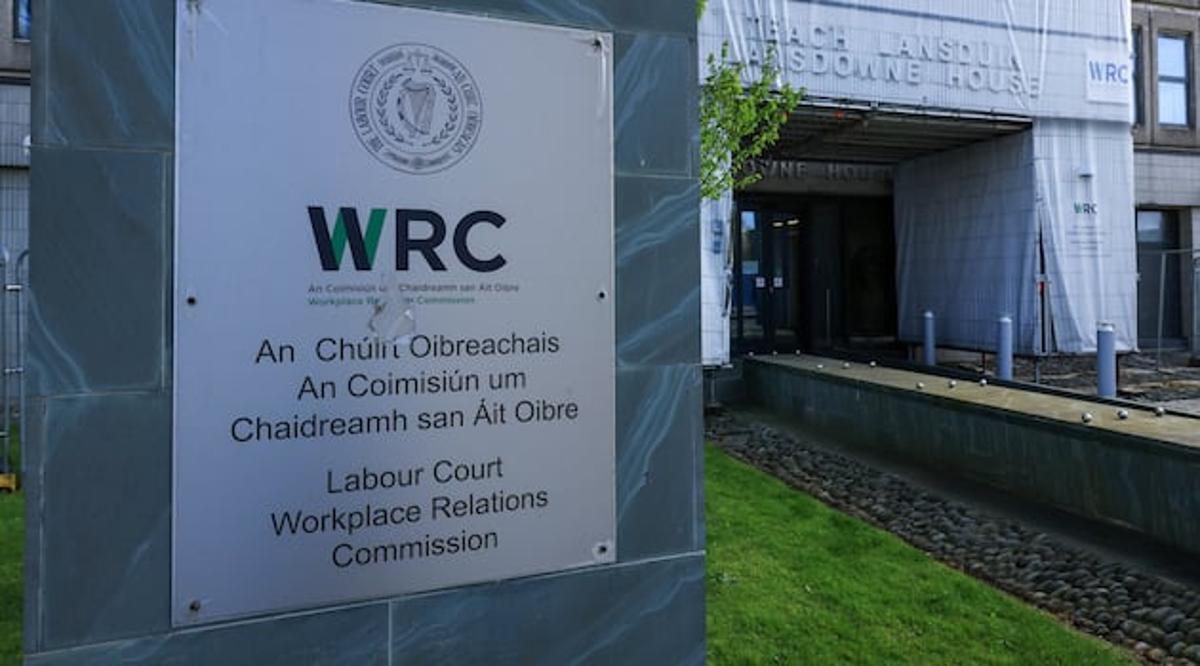
Man Who Quit After Anti-Traveller Slur Used at Work Meeting Wins €15,000
Why It Matters
The ruling underscores the legal and financial risks for Irish firms that tolerate anti‑Traveller slurs, reinforcing stricter enforcement of the Employment Equality Act 1998. It signals to employers that harassment claims can lead to substantial payouts and mandatory compliance measures.
Key Takeaways
- •Reilly awarded €15,000 (~$16,350) for harassment
- •Comment made by external consultant, not staff member
- •Employer accepted liability and must provide dignity training
- •Harassment case upheld under Ireland’s Employment Equality Act 1998
- •Reilly quit, citing unsafe work environment
Pulse Analysis
The Workplace Relations Commission’s decision in favor of Kieran Reilly highlights how Ireland’s Employment Equality Act 1998 continues to evolve as a powerful tool against workplace discrimination. By classifying the consultant’s "pack of k******s" remark as a hostile, derogatory comment, the tribunal affirmed that harassment extends beyond direct employee‑to‑employee interactions. The €15,000 compensation—equivalent to roughly $16,350—reflects the tribunal’s willingness to quantify the damage caused by hate‑based language, especially when it targets a protected Traveller identity. This case also demonstrates the procedural advantage of filing promptly with the WRC, where evidence such as apologies and text messages are weighed against the severity of the offence.
For employers, the ruling sends a clear operational warning: any public slur, even from an external consultant, can trigger liability for the hiring organization. The mandated respect‑and‑dignity training within two months underscores a growing expectation that companies proactively embed anti‑discrimination curricula into their compliance programs. Legal counsel increasingly advises firms to vet third‑party speakers, enforce zero‑tolerance policies, and maintain robust reporting channels to mitigate the risk of costly settlements and reputational harm.
Beyond the immediate financial penalty, the case resonates within the broader Traveller community, which has historically faced systemic bias in Irish workplaces. By publicly upholding the complaint, the WRC reinforces societal expectations for inclusive culture and may encourage other Travellers to come forward. Companies seeking to attract diverse talent should view this decision as a catalyst to review hiring practices, employee‑training modules, and internal communications, ensuring that all staff—permanent or temporary—understand the legal ramifications of discriminatory speech.
Man who quit after anti-Traveller slur used at work meeting wins €15,000
Comments
Want to join the conversation?
Loading comments...